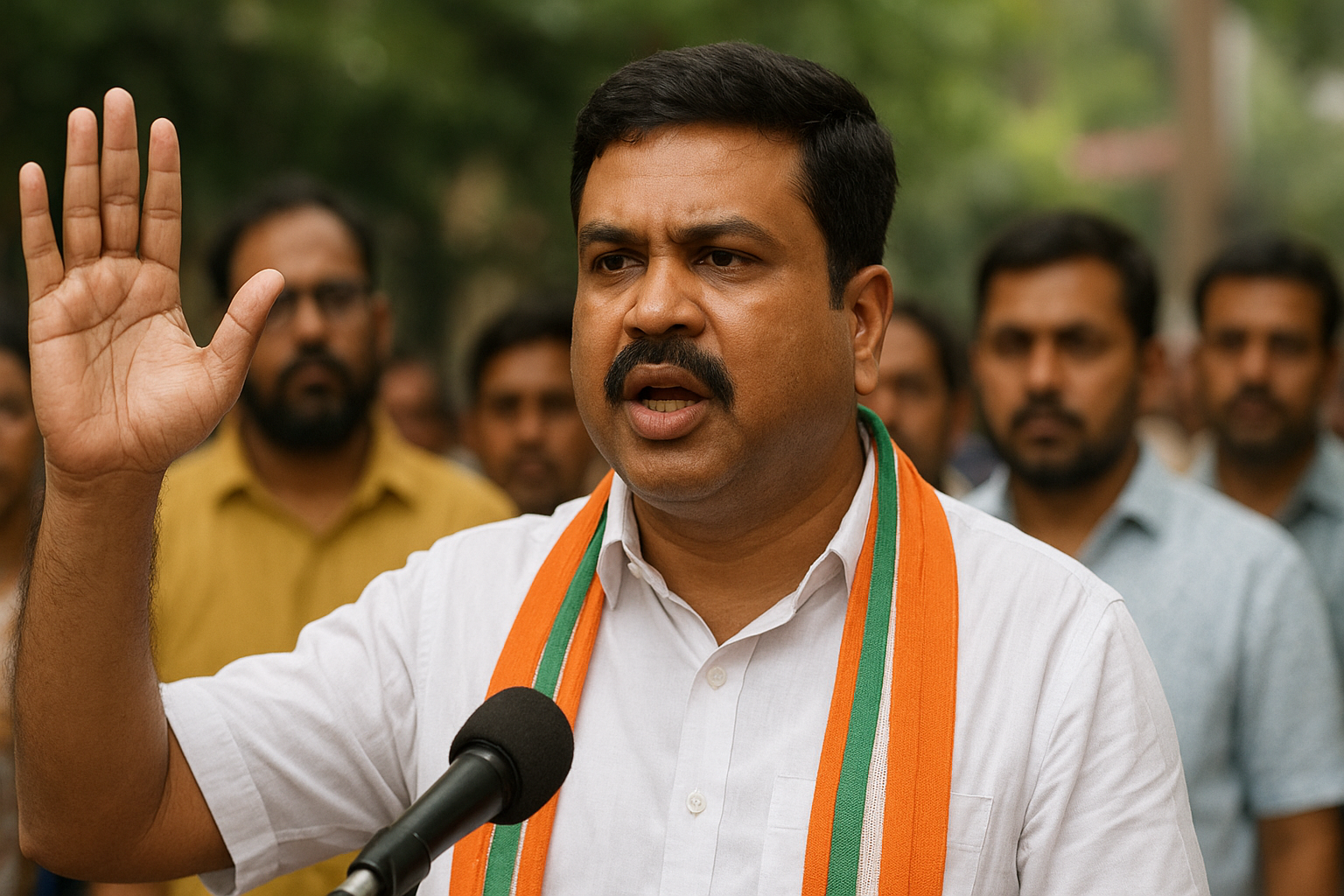
The Growing Crisis in Student Representation
The landscape of student activism in the nation’s capital has reached a critical juncture. Recent demonstrations have highlighted deep-seated frustrations regarding educational administration, accountability, and the future of millions of young scholars. At the heart of these protests is a passionate demand for institutional reform and the removal of key figures who demonstrators hold responsible for systemic failures.
Abhijeet Dipke, a prominent voice in the current wave of student mobilization, recently sat down for an exclusive interview with media outlets to articulate the grievances of the affected youth. Dipke emphasized that the welfare of the student body must always supersede the political survival of any individual official. According to student leaders, the ongoing crisis is not merely about policy disagreements; it represents a fundamental breakdown of trust between the academic community and the leadership tasked with guiding it.
Why Accountability Matters More Than Politics
During the interview, Dipke raised a fundamental question that has resonated across campuses nationwide. He expressed profound bewilderment regarding the hesitation of the ruling administration to address the core demands of the protesters. Removing a single official, he argued, is a minor concession when weighed against the futures of countless individuals striving for a fair and equitable academic environment.
The sentiment on the ground reflects a broader disillusionment. Students from various universities have united under a common banner, calling for transparent examinations, better resource allocation, and responsive governance. The refusal of top decision-makers to engage directly with the affected demographic has only served to inflame tensions, transforming localized grievances into a nationwide movement.
The Call to Action at Jantar Mantar
Jantar Mantar has historically served as the epicenter for democratic dissent in the capital. Today, it is the focal point for students demanding immediate intervention in the education sector. Dipke directly addressed Union Minister Dharmendra Pradhan, challenging him to step out of his air-conditioned office and witness firsthand the reality on the streets.
Instead of relying on bureaucratic statements or dismissing the concerns of the youth, leadership should have the courage to face the constituency they are sworn to serve. Inviting the minister to Jantar Mantar is not just a rhetorical flourish; it is an open challenge to listen to the unfiltered voices of the students who feel abandoned by the current system. The demonstration aims to create a public forum where accountability is demanded face-to-face, removing the barriers that typically insulate high-ranking officials from public scrutiny.
Understanding the Core Grievances
The grievances driving the current protests are multifaceted. Beyond the immediate demand for ministerial resignation, students are grappling with structural issues that threaten their academic and professional trajectories. Key concerns include:
- Persistent irregularities in major competitive and academic examinations.
- A lack of transparent communication channels between the ministry and student bodies.
- Inadequate funding and support for public educational institutions.
- Disregard for mental health and the immense pressure placed on young scholars.
These challenges have created an environment of anxiety and uncertainty. For many, taking to the streets is the only remaining option to make their voices heard by a seemingly indifferent administration.
Looking Ahead: The Future of the Movement
As the protests at Jantar Mantar continue to gain momentum, the pressure on the central government is mounting. Civil society organizations, opposition figures, and academic experts are beginning to weigh in on the unfolding situation. The administration’s response in the coming days will likely set a precedent for how student dissent is handled moving forward.
Abhijeet Dipke and his fellow activists remain resolute. They have vowed to maintain their peaceful presence until tangible steps are taken to address their demands. Whether the education minister will accept the invitation to visit the protest site remains to be seen, but the message from the academic community is crystal clear: the status is no longer acceptable.
Conclusion
The ongoing protests spearheaded by student activists like Abhijeet Dipke underscore a deep-seated desire for accountability and reform within the education sector. By calling out leadership and demanding a direct dialogue at Jantar Mantar, the youth are reclaiming their stake in the nation’s future. As pressure builds on policymakers, the outcome of these demonstrations will undoubtedly shape the landscape of student rights and governmental responsiveness for years to come.
Frequently Asked Questions
Who is Abhijeet Dipke?
Abhijeet Dipke is a prominent student activist and leader who has been vocal in organizing and representing the grievances of students during recent protests in the capital.
What are the primary demands of the protesters at Jantar Mantar?
The protesters are primarily demanding accountability within the education sector, resolution of examination irregularities, and the removal of the education minister whom they hold responsible for systemic failures.
Why did the student leaders invite Dharmendra Pradhan to Jantar Mantar?
Student leaders invited the education minister to face the demonstrators directly, listen to their concerns firsthand, and witness the ground reality of the crisis affecting millions of students.
