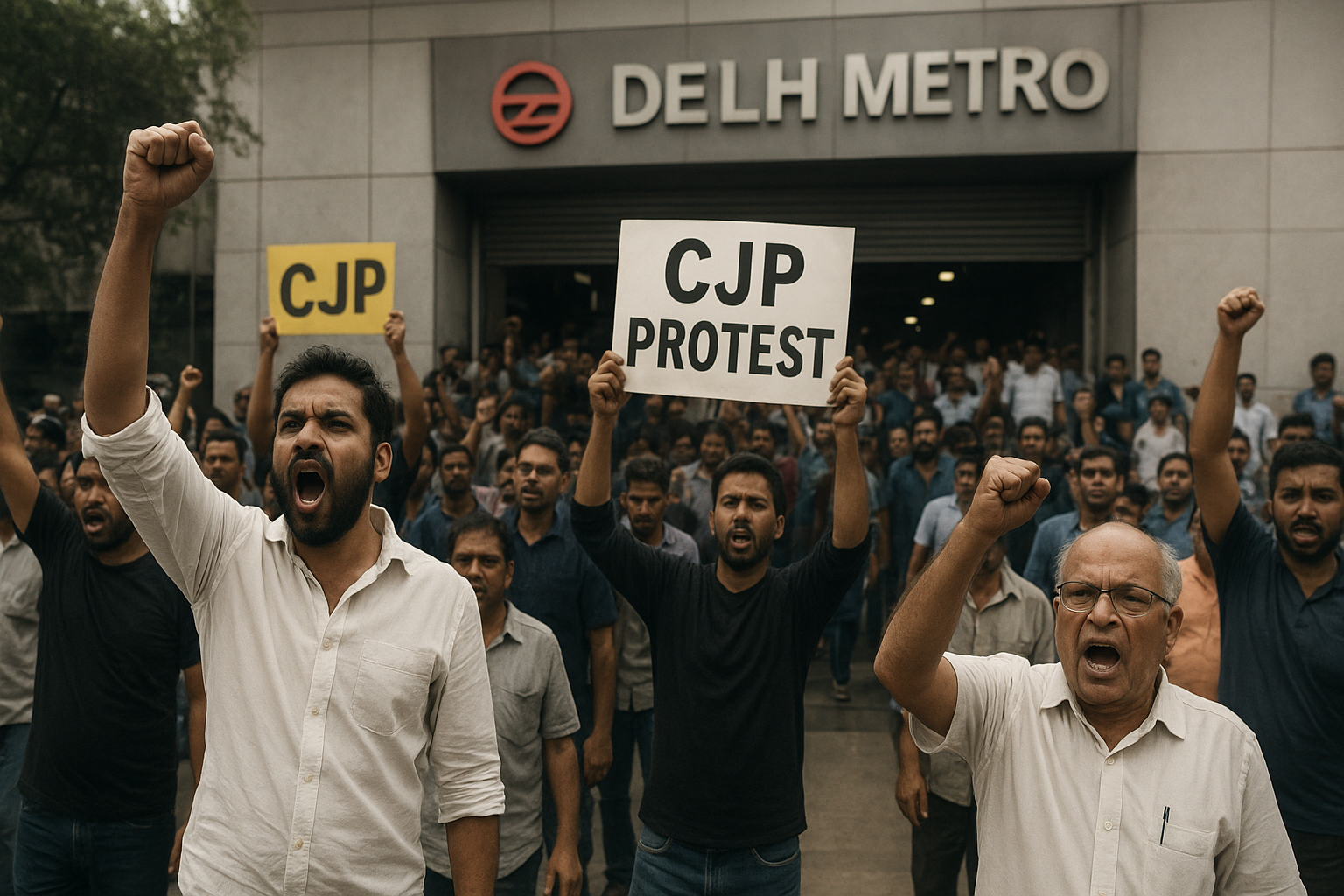
Understanding the Upcoming Public Demonstrations
The national capital of India is bracing for significant public demonstrations and rallies centered around civil rights and activist movements. Authorities have announced comprehensive security measures, including widespread restrictions on public transportation, to maintain law and order across the metropolitan region. These preemptive actions aim to prevent massive congestion and ensure the safety of both commuters and participants as crowds gather to voice their demands.
Such large-scale gatherings often draw thousands of supporters from various parts of the country, creating logistical challenges for local governance and law enforcement agencies. By regulating movement at key transit points, security personnel can better manage crowd dynamics and respond swiftly to any unforeseen security developments throughout the day.
Impact on Public Transportation and Commuter Advisories
In a major disruption to daily routines, numerous rapid transit hubs across the metropolitan network will remain closed to the public starting early in the morning. Commuters who rely on these vital rail links are strongly advised to plan their journeys well in advance and explore alternative modes of travel. Transport officials have emphasized that these closures are temporary and necessary for maintaining public safety during high-profile political events.
Specific Station Restrictions and Timings
Starting at 7:30 AM tomorrow, a total of 18 key rapid transit stations will restrict entry and exit points. Key interchange hubs and stops located near prominent demonstration zones will be affected the most. Trains may bypass these stations entirely without stopping, and passengers should check real-time updates provided by transit authorities before heading out.
Alternative Travel Routes
To mitigate inconvenience, municipal transport corporations are deploying additional surface buses along parallel corridors. Citizens are encouraged to utilize road transport, carpooling, or ride-sharing services, though traffic congestion is anticipated near major arterial roads leading to the central district.
Context Behind the Mobilization
The current wave of demonstrations follows weeks of tense negotiations and high-profile hunger strikes by notable environmental and social activists. Recently, prominent figures like Sonam Wangchuk concluded prolonged fasts following official dialogues and assurances from government representatives. However, grassroots supporters and various civil society organizations continue to voice their concerns regarding governance, environmental protections, and constitutional rights.
These ongoing movements reflect a deeply engaged citizenry utilizing democratic avenues to press for policy reforms. As the dialogue between activist leadership and state officials evolves, public assemblies remain a central fixture of the sociopolitical landscape.
Conclusion
As the capital prepares for another day of heightened civic engagement, the balance between public safety and the democratic right to protest remains a focal point. Commuters must remain patient and adaptable while navigating the disruptions caused by station closures. Staying informed through official channels is the best strategy for minimizing travel delays during this period of heightened activity.
Frequently Asked Questions
Why are the rapid transit stations being closed?
Stations are being temporarily closed as a precautionary security measure to manage crowd flow and ensure public safety during large-scale demonstrations in the capital.
How long will these transport restrictions remain in place?
The restrictions are scheduled to begin early in the morning and will likely persist until law and order authorities deem the situation stable enough to resume normal operations.
Which alternative transport options are available for commuters?
Commuters can rely on extra surface buses deployed by municipal transport agencies, use road-based ride-sharing services, or plan routes that bypass the affected central zones.
