Understanding the Hospital Confrontation
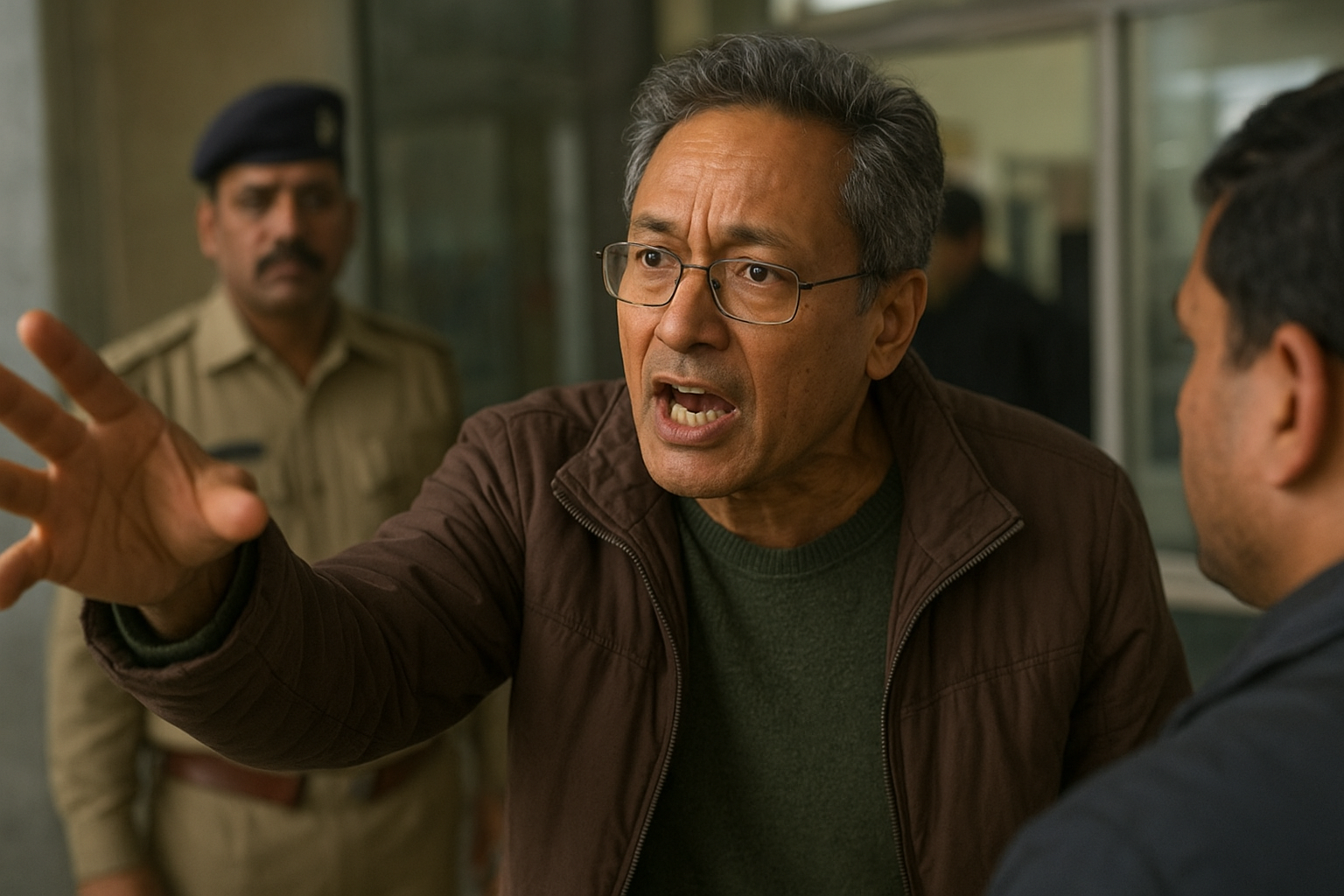
Recent events at a prominent medical facility in the national capital have drawn widespread public attention. Prominent innovator and activist Sonam Wangchuk found himself at the center of a tense standoff, which quickly escalated into a viral video showcasing a heated exchange with authorities. The core of the dispute revolved around his discharge and subsequent relocation following a legal intervention by the high court.
Witnesses and video footage captured moments of high drama as the activist demanded immediate compliance with judicial orders. The situation underscored the complexities that often arise when legal mandates intersect with institutional protocols, leaving supporters and observers questioning the administrative delays that prevented his timely departure.
The Legal Backing and Transfer Dispute
The controversy began when the judicial system granted permission for the climate activist to be moved to a different healthcare facility. According to statements released by his legal representatives, the Delhi High Court had explicitly authorized a shift to a specialized medical center to ensure proper ongoing care.
However, despite these clear directives, hours ticked by without any movement. The activist and his aides claimed that administrative bottlenecks and unofficial directives from local authorities were deliberately stalling the process. This frustration boiled over, leading to the dramatic confrontations documented in the widely shared digital media clips.
Hospital Administration Clears the Air
In response to the escalating public outcry and the circulation of the heated arguments online, the management of the medical institution issued a formal clarification. According to their statement, the delay was not a deliberate attempt to defy the judicial system, but rather a procedural requirement that needed meticulous verification.
Hospital representatives emphasized that patient safety and adherence to standard discharge protocols remain their top priorities. They stated that the verification of transfer documents, coordination with the receiving medical facility, and ensuring the physical stability of the individual for travel naturally required a brief window of time, leading to the unfortunate misunderstanding.
Broader Implications of the Incident
The standoff at the capital facility has reignited conversations regarding institutional transparency and the treatment of public figures under administrative scrutiny. Observers from various sectors have weighed in, highlighting the delicate balance between maintaining institutional order and respecting judicial permissions.
As digital platforms continue to amplify such confrontations, public institutions face mounting pressure to streamline their communication and operational protocols. Swift execution of court-ordered transfers could prevent similar public escalations in the future, fostering greater trust between citizens and administrative bodies.
Conclusion
The confrontation involving Sonam Wangchuk at a prominent capital healthcare facility highlights the friction that can occur between judicial orders and institutional procedures. While the administration cited safety and protocol for the delay, the activist’s public demand for immediate compliance reflects a broader frustration with administrative bottlenecks. Ultimately, clearer communication channels and expedited coordination will be essential to prevent such high-profile disputes moving forward.
Frequently Asked Questions
Why was Sonam Wangchuk staying at the hospital?
He was receiving medical attention following events related to his advocacy and subsequent detention, leading to legal interventions regarding his healthcare.
Why did the transfer to the new medical facility face delays?
While the high court permitted the shift, the institution cited the need to verify transfer protocols and ensure proper coordination with the receiving facility before release.
What did the video footage of the incident show?
The footage captured a heated verbal exchange where the activist demanded immediate compliance with the judicial orders allowing his relocation.
