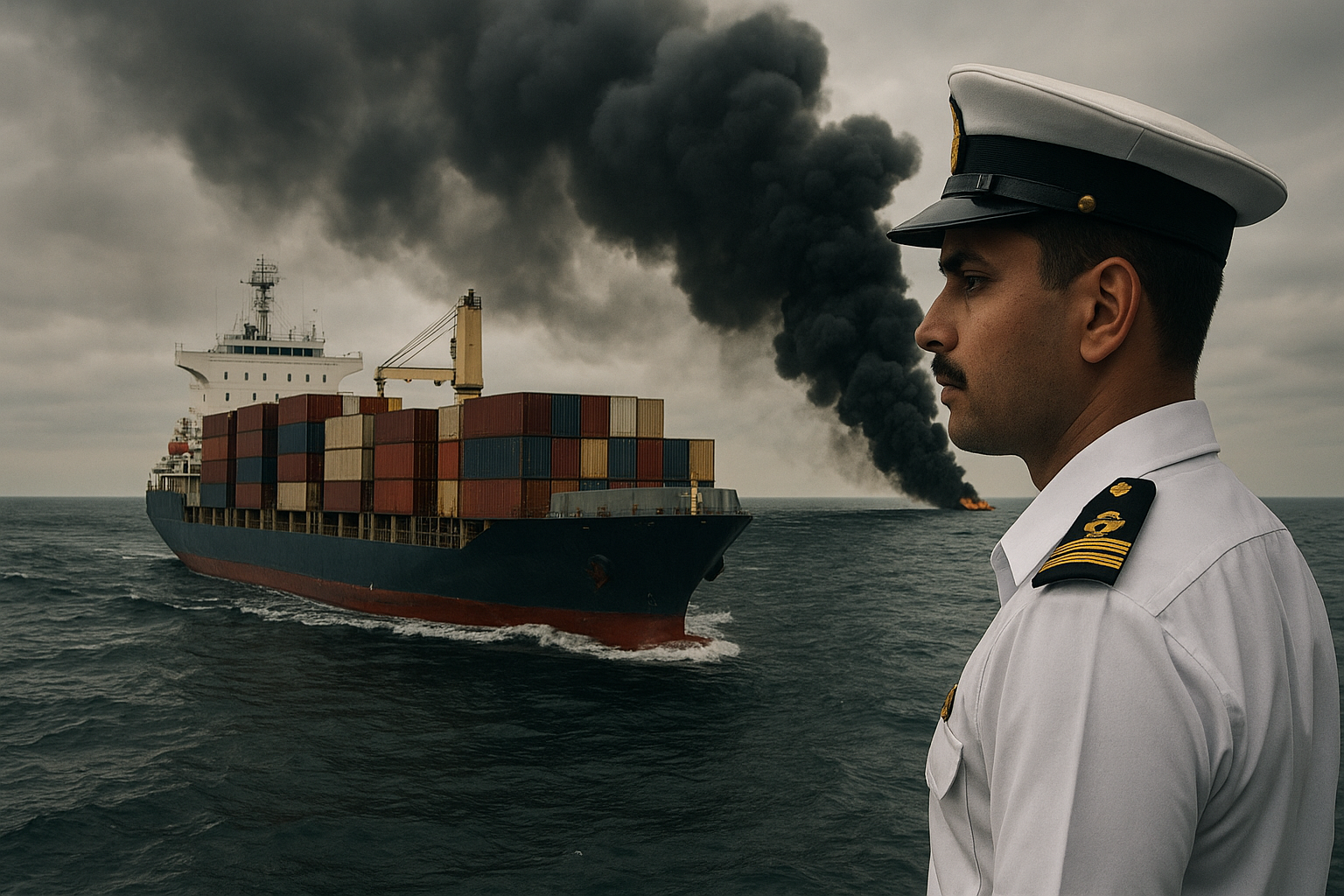
Understanding the Ministry of External Affairs Advisory
In a recent development concerning maritime safety, the Ministry of External Affairs has officially released an advisory highlighting various security risks present in the Black Sea and its adjoining maritime areas. This crucial directive is aimed at Indian sailors and maritime personnel who operate, navigate, or transit through these volatile international waters. As geopolitical tensions continue to affect global shipping lanes, governments worldwide are taking proactive measures to ensure the safety and security of their citizens working abroad in critical sectors.
Scope of the Maritime Warning
The newly issued advisory specifically focuses on the hazards associated with navigating the Black Sea region. International shipping routes in this part of the world have faced escalating challenges due to ongoing regional conflicts and military activities. By flagging these dangers, the Ministry of External Affairs aims to keep Indian nationals informed about the evolving threat landscape on the high seas, allowing them to exercise extreme caution while performing their duties.
Background of Black Sea Maritime Security
The Black Sea has historically served as a vital trade corridor connecting Eastern Europe, Western Asia, and the wider world. However, recent geopolitical developments have transformed these busy shipping lanes into high-risk zones. Commercial vessels navigating these waters face potential disruptions, navigational hazards, and security threats stemming from regional hostilities. Understanding this historical and current context is essential for comprehending why authorities have found it necessary to issue formal warnings to seafarers.
Why This Advisory Matters for Indian Sailors
India supplies a significant portion of the global maritime workforce, with numerous sailors and officers deployed on commercial vessels traversing international waters. The safety of Indian nationals working on foreign-flagged or domestic ships remains a top priority for the government. This directive serves as a vital operational guideline, prompting ship operators, maritime agencies, and individual sailors to reassess their voyage plans, implement heightened security protocols, and monitor official communications closely.
Potential Impacts on Global Trade and Navigation
The security situation in the Black Sea impacts not only regional stability but also international supply chains, energy transport, and commodity trade. Maritime transport disruptions in this corridor can lead to altered shipping routes, increased insurance premiums, and delayed cargo deliveries. For Indian sailors and shipping companies, staying updated with advisories from the Ministry of External Affairs is critical for mitigating operational risks and ensuring compliance with international maritime safety standards.
Conclusion and Recommended Precautions
As the situation in the Black Sea continues to evolve, maritime professionals must remain vigilant. The Ministry of External Affairs advisory underscores the importance of continuous risk assessment and adherence to safety guidelines. Indian sailors operating in and around these troubled waters are advised to stay in close contact with their respective employers, port authorities, and Indian diplomatic missions to receive timely updates and emergency assistance if required.
Frequently Asked Questions
What did the Ministry of External Affairs issue regarding the Black Sea?
The Ministry of External Affairs issued an advisory flagging security risks in the Black Sea and adjoining maritime areas.
Who is the target audience for this security advisory?
The advisory is primarily aimed at Indian sailors and maritime personnel operating or navigating through the Black Sea region.
Why was this maritime advisory released?
It was released to warn Indian nationals about security risks and hazards present in international shipping lanes within the Black Sea and adjoining maritime areas.
