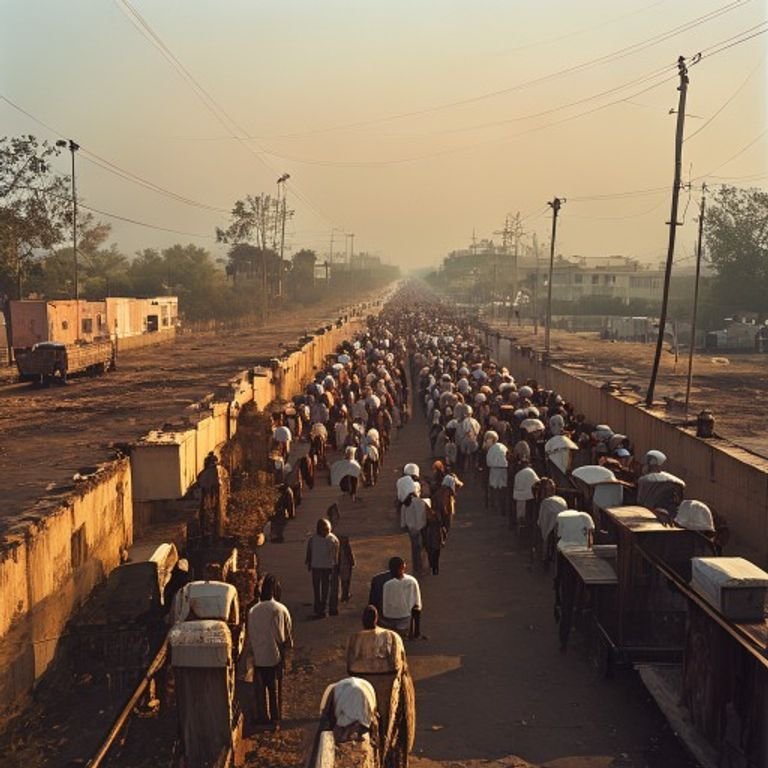
Introduction to the Madhya Pradesh Bypoll
Electoral outcomes often hinge on the active participation of the electorate at polling booths. However, a recent electoral contest in Madhya Pradesh has introduced a unique dynamic. With a noticeable drop in voter participation, the upcoming result scheduled for August 3 has become increasingly unpredictable. Observers and political analysts are closely monitoring how the thousands of citizens who chose to stay away from the polling booths might influence the final tally.
Understanding the Impact of Lower Turnout
The Role of Absentee Voters
Traditionally, political campaigns focus heavily on mobilizing their base to ensure maximum turnout on election day. When voter participation drops, the conventional equations change entirely. In this specific bypoll for a Madhya Pradesh seat, the reduced number of votes cast means that every single ballot carries significantly more weight. At the same time, the thousands of individuals who did not cast their ballots represent a massive, unpredictable block. Their reasons for abstaining could stem from various factors, but their absence directly shapes the mathematical threshold required for candidates to secure victory.
Suspense Surrounding the August 3 Result
The anticipation leading up to August 3 has intensified due to this unusual voting pattern. Because the total number of participating voters is lower than anticipated, neither major political camp can accurately predict which way the momentum has swung. Analysts suggest that low voter turnout can sometimes indicate voter apathy, dissatisfaction with all available options, or localized logistical issues on polling day. Regardless of the underlying cause, the suspense is palpable as political parties and independent observers await the official count.
Broader Context of Bypolls
Bypolls occupy a unique space within the broader democratic framework. Unlike general elections that determine the composition of an entire legislative body, a bypoll focuses on a single constituency to fill an unexpected vacancy. These localized races often attract intense scrutiny from state and national leadership, as they are frequently viewed as a referendum on the incumbent government’s performance or a barometer of shifting public sentiment. In Madhya Pradesh, this particular contest has captured widespread attention, further amplified by the intriguing voting behavior observed on polling day.
Conclusion
As the date of August 3 draws closer, all eyes remain fixed on the Madhya Pradesh seat in question. The interplay between those who exercised their franchise and the substantial portion of the electorate that stayed away will ultimately define the outcome. Ultimately, this bypoll serves as a reminder of how electoral dynamics can shift unexpectedly, proving that low turnout can sometimes generate more suspense than a high-energy, high-participation race.
Frequently Asked Questions
When is the result for the Madhya Pradesh seat bypoll scheduled?
The result is scheduled to be announced on August 3.
What has added suspense to the Madhya Pradesh bypoll?
A lower voter turnout, with thousands of people staying away from the polls, has added significant suspense to the final result.
Why are bypolls important in political analysis?
Bypolls are localized elections that fill unexpected vacancies and are often viewed as a barometer of public sentiment toward the ruling administration.
