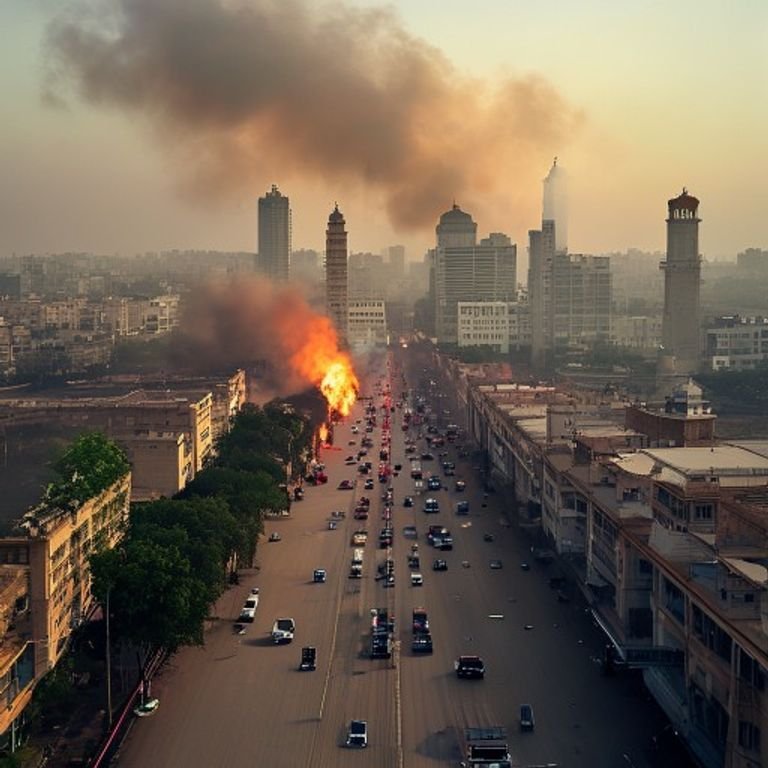
Introduction to the Palam Fire Inquiry
A comprehensive investigation into the tragic Palam fire incident, which resulted in the loss of 9 lives, has uncovered profound systemic deficiencies, operational shortcomings, and administrative lapses. The official inquiry report has brought to light critical enforcement failures by the Municipal Corporation of Delhi (MCD), widespread unauthorized commercial operations, and hazardous conditions created by illegal overhead wiring. Furthermore, the probe exposed severe institutional vulnerabilities within the Delhi Fire Services, notably a staggering 853 vacant positions and profound deficiencies in technical equipment and specialized rescue training.
Key Findings of the Palam Fire Probe
Municipal and Enforcement Lapses
The investigation into the deadly blaze specifically identified severe regulatory and monitoring lapses by the MCD enforcement department. Properties operating within residential or mixed-use zones without proper authorization managed to bypass safety protocols due to lax oversight. Investigators noted that unauthorized commercial activities often operate in complete disregard of basic fire safety standards, compounding the risk to human life in densely populated urban settlements across the capital.
Hazardous Overhead Infrastructure
Compounding the enforcement failures, the probe highlighted the dangerous proliferation of illegal overhead cables crisscrossing buildings in the area. These unauthorized bundles of wiring not only violated safety codes but also actively obstructed emergency response operations. During the emergency response, these cables created physical barriers that hindered rescue personnel and prevented critical equipment from deploying efficiently.
Equipment Failures and Operational Obstacles
The operational constraints faced by responders during the Palam fire incident were stark. Technical evaluations revealed that a skylift failed during the critical operational window. Coupled with the blockade caused by tangled overhead cables, rescue teams confronted immense difficulties in evacuating trapped individuals, directly impacting the overall outcome of the emergency response operation.
Institutional Challenges within Delhi Fire Services
Severe Staff Shortages
Beyond the immediate physical and infrastructural bottlenecks encountered at the site, the inquiry underscored deep-seated structural issues inside the organization tasked with combating blazes in the capital. The Delhi Fire Services is grappling with an alarming 853 vacancies. This immense deficit in human resources places an unsustainable burden on active personnel, stretching response capabilities and affecting readiness across multiple stations.
Gaps in Equipment and Technical Training
In addition to chronic understaffing, the probe drew attention to serious gaps in technical training and modern equipment availability. Effective firefighting and urban rescue operations require continuous capacity building, advanced machinery, and rigorous technical instruction. The identified deficiencies indicate an urgent need for institutional upgrades to ensure that rescue personnel are fully equipped to handle complex urban fire emergencies safely and efficiently.
Broader Implications and Public Impact
The revelations from the Palam fire inquiry have ignited urgent discussions concerning urban safety, municipal accountability, and emergency preparedness. The convergence of unauthorized commercial structures, compromised escape routes due to illegal cabling, and under-resourced emergency services presents a formidable challenge for city administrators. Addressing these multi-layered vulnerabilities is paramount to preventing similar tragedies and safeguarding residents across the region.
Conclusion
The official inquiry into the fatal Palam fire serves as a sobering reminder of the consequences when municipal enforcement, infrastructure management, and emergency services face systemic bottlenecks. With 9 lives lost, the findings demand immediate administrative rectification, including filling the 853 vacancies in the Delhi Fire Services, upgrading technical training, replacing faulty equipment, and cracking down on unauthorized commercial land use and illegal overhead wiring.
Frequently Asked Questions
What were the main causes of the rescue failure during the Palam fire?
The probe identified that a skylift failed during the operation and illegal overhead cables blocked rescue pathways, severely hindering the emergency response.
How many vacancies were reported in the Delhi Fire Services?
The official inquiry flagged a total of 853 vacancies within the Delhi Fire Services.
Which municipal body was cited for enforcement failures in the inquiry?
The Municipal Corporation of Delhi (MCD) enforcement department was cited for failing to curb unauthorized commercial use and regulatory violations.
