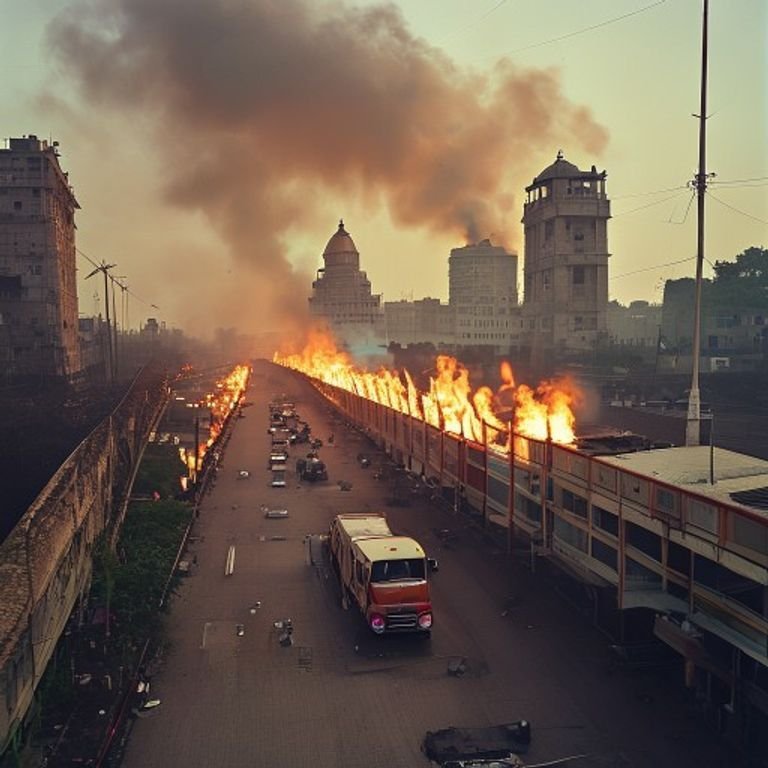
Understanding the Palam Fire Tragedy and Investigation Findings
An official inquiry into the devastating Palam fire incident, which claimed 9 lives, has brought to light alarming systemic failures, administrative oversights, and critical infrastructure deficiencies. The investigation report points directly toward municipal enforcement failures, unauthorized commercial operations, and a tangled web of illegal overhead cables that severely obstructed the emergency response and rescue operations.
As authorities delve deeper into the causes and compounding factors of the disaster, the probe has exposed severe operational vulnerabilities within key civic and emergency departments. The findings underscore the urgent need for comprehensive administrative reforms, stricter urban planning enforcement, and immediate resource allocations to prevent similar tragedies from occurring in the future.
Key Findings of the Palam Fire Inquiry
Municipal Enforcement Failures and Unauthorized Commercial Activities
The inquiry revealed significant lapses by the Municipal Corporation of Delhi in enforcing zoning and commercial regulations. Unauthorised commercial use in residential or mixed-use zones contributed heavily to the hazard levels. Such illegal operations bypass rigorous fire safety audits, building code compliances, and essential structural safety standards, placing residents and workers at extreme risk.
Obstructions Caused by Illegal Overhead Cables
During the emergency response, rescue teams faced monumental hurdles on the ground. The investigation specifically noted that illegal overhead cables blocked rescue efforts. These unauthorized wire networks not only create severe electrical hazards but also physically impede the deployment of emergency vehicles and ladders, directly compromising the speed and efficacy of life-saving operations.
Emergency Services Staffing and Equipment Shortages
Critical Vacancies in Delhi Fire Services
The inquiry shed light on severe manpower shortages plaguing emergency responders. Specifically, the report highlighted 853 vacancies in Delhi Fire Services. Operating with depleted staff limits the department’s capacity to conduct timely inspections, enforce fire safety norms across the sprawling metropolis, and mount rapid, fully-staffed responses during multi-point or large-scale emergencies.
Equipment Failures and Technical Training Gaps
Compounding the manpower crisis, the investigation uncovered serious gaps in equipment availability and technical training. Notably, the skylift failed during the incident, stripping responders of a vital aerial tool needed to reach upper floors. Furthermore, deficiencies in technical training and equipment maintenance highlight systemic neglect that directly impacts the safety and efficiency of frontline firefighting personnel.
Broader Implications for Urban Safety
The revelations from the Palam fire inquiry serve as a critical wake-up call for urban planners, municipal authorities, and emergency service administrators. The intersection of unauthorized commercial expansion, lax regulatory enforcement, and compromised emergency response infrastructure creates a perilous environment for the public.
Addressing these issues requires a multi-pronged approach, including filling the 853 vacancies in Delhi Fire Services, upgrading and regularly maintaining critical machinery like skylifts, dismantling illegal overhead cables, and holding regulatory bodies accountable for enforcement failures.
Conclusion
The tragic loss of 9 lives in the Palam fire underscores the fatal consequences of institutional and municipal shortcomings. With the inquiry exposing MCD enforcement failures, unauthorized commercial use, dangerous overhead cables, massive staff shortages, and equipment gaps, authorities face mounting pressure to implement corrective measures swiftly. Ensuring public safety demands rigorous oversight, robust infrastructure, and fully empowered emergency services.
Frequently Asked Questions
What were the main causes identified in the Palam fire inquiry?
The inquiry flagged MCD enforcement failures, unauthorised commercial use, illegal overhead cables that blocked rescue operations, 853 vacancies in Delhi Fire Services, and serious gaps in equipment and technical training.
How many fatalities resulted from the Palam fire?
The tragic incident resulted in 9 deaths.
What specific equipment failure was noted during the rescue operation?
The investigation noted that the skylift failed, along with broader technical training gaps and severe manpower shortages in the fire department.
