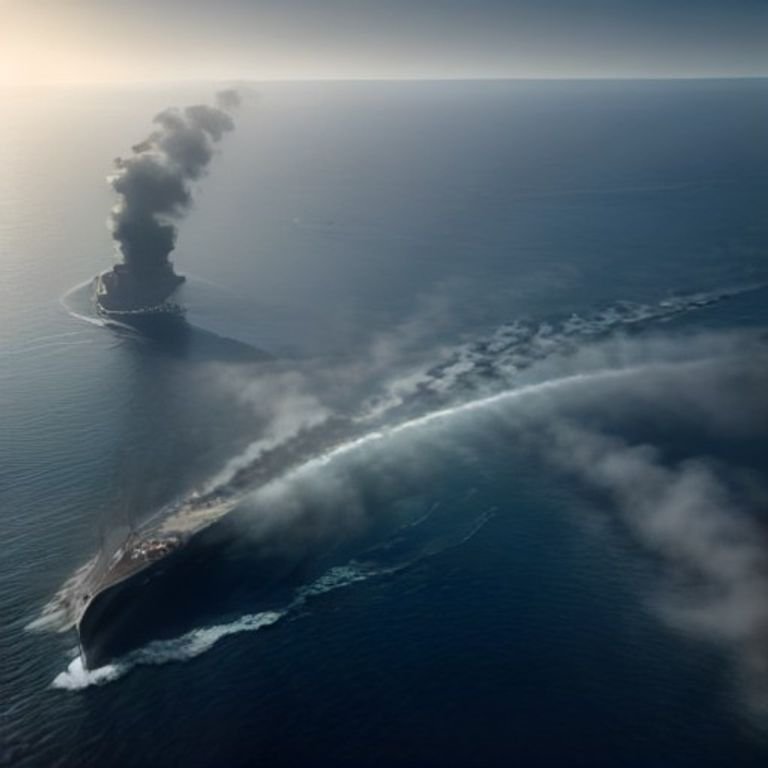
Overview of the Strait of Hormuz Incident
In a significant escalation in the Persian Gulf region, the Islamic Revolutionary Guard Corps (IRGC) announced that it successfully targeted and halted non-compliant oil tankers attempting to navigate the strategic Strait of Hormuz. According to military statements, these vessels were operating under United States air escort when the operations unfolded. The interception highlights the persistent geopolitical tensions surrounding maritime transit routes in the Middle East, particularly in narrow waterways critical to global energy supplies.
Actions Taken by the Islamic Revolutionary Guard Corps
The IRGC detailed the military operation, confirming that the targeted oil tankers were struck and brought to a halt. In the immediate aftermath of the strike, four other oil tankers in the vicinity quickly altered their navigation routes and retreated to their previous positions. This decisive action by Iranian forces underscores the high-stakes environment in regional waters where foreign military escorts and local sovereignty frequently intersect.
Strategic Importance of the Strait of Hormuz
The Strait of Hormuz remains one of the most vital maritime chokepoints in the world, facilitating a substantial portion of global petroleum shipments. Any disruption or military engagement in this narrow channel carries immediate implications for international energy markets, maritime security, and diplomatic relations. The presence of United States air cover alongside commercial shipping further complicates the security architecture of the region, turning routine transit corridors into potential flashpoints for broader geopolitical friction.
Implications for Regional Maritime Security
Recent developments in the Persian Gulf reflect ongoing friction between regional actors and foreign naval presences. The interception of vessels under military escort demonstrates the readiness of forces like the IRGC to enforce maritime policies within their sphere of influence. For international shipping companies and naval strategists, these incidents necessitate continuous risk assessment and heightened vigilance when operating through contested or heavily monitored global trade routes.
Frequently Asked Questions
What military organization claimed responsibility for striking the tankers?
The Islamic Revolutionary Guard Corps (IRGC) announced that the oil tankers were struck and brought to a halt.
What happened to the other oil tankers in the area?
Four other oil tankers quickly changed course and returned to their previous positions following the incident.
Were the targeted vessels receiving any assistance?
According to the reports, the non-compliant oil tankers were attempting to cross under United States air escort.
