The Call for Accountability in Higher Education
Recent developments surrounding student grievances have brought the spotlight back onto the nation’s academic leadership. Voices from various activist groups are growing louder, demanding immediate ministerial changes to restore integrity and trust within the system. The ongoing demonstrations highlight a deep-seated frustration among scholars who feel their futures are being compromised by administrative negligence.
Why Student Leaders Are Speaking Out
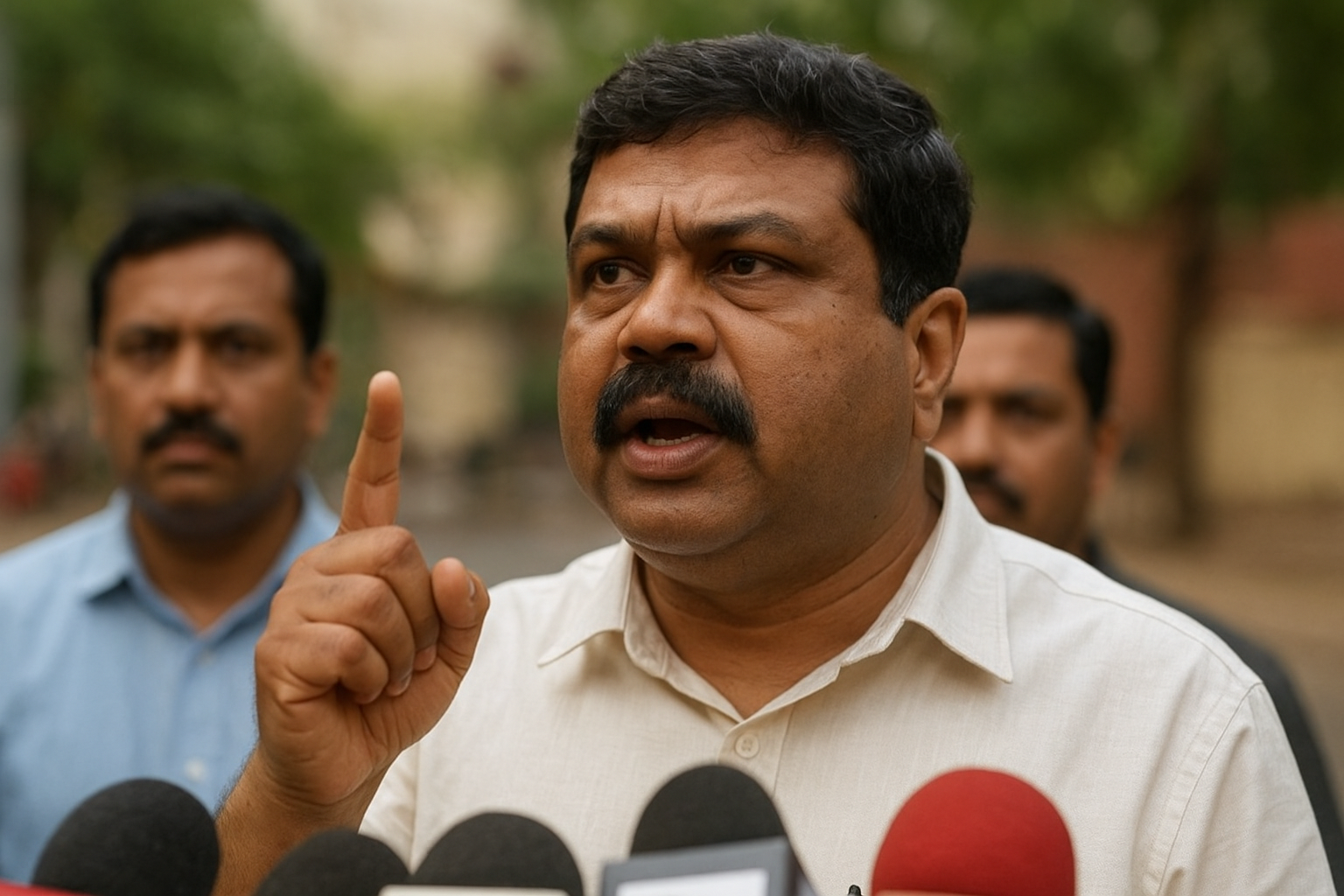
Abhijeet Dipke, a prominent student representative, recently voiced strong opposition against the current handling of academic affairs. During a candid interview, Dipke emphasized that no single official should hold greater importance than the collective future of hundreds of thousands of scholars. The sentiment reflects a broader discontent regarding systemic failures, delayed examinations, and perceived apathy from top-tier decision-makers.
Protesters argue that removing the responsible cabinet member is a non-negotiable first step toward meaningful reform. According to student unions, repeated appeals regarding syllabus delays, evaluation discrepancies, and infrastructural issues have fallen on deaf ears, leaving demonstrations at public squares as the only viable recourse.
The Protests at Jantar Mantar
The historical protest site has transformed into a focal point for nationwide scholarly resistance. Activists from diverse backgrounds have converged to voice their dissatisfaction, demanding direct dialogue with central authorities. Organizers have extended public invitations to key political figures, urging them to witness firsthand the determination of the academic community.
Government Response and Political Ramifications
Political analysts suggest that ignoring these demonstrations could prove costly for the ruling administration, especially with upcoming electoral cycles on the horizon. Opposition parties have begun rallying behind the protesters, increasing pressure on the ruling coalition to address the demands swiftly. However, administration insiders maintain that policy stability is crucial during times of transition, complicating any immediate decisions regarding ministerial restructuring.
Despite the resistance from official quarters, student representatives remain undeterred. They have vowed to maintain their presence at the demonstration grounds until tangible commitments are made public. The unfolding situation continues to dominate media headlines, creating a delicate balancing act for policymakers attempting to quell public dissent without appearing weak.
Conclusion
The standoff between student activists and educational administrators underscores a critical juncture in the nation’s academic governance. As pressure mounts for the removal of key officials, the administration faces a pivotal choice between addressing grassroots grievances and risking prolonged civil unrest. Ultimately, the resolution of this crisis will depend on the government’s willingness to prioritize the welfare of its student population over political expediency.
Frequently Asked Questions
Who is leading the recent protests at Jantar Mantar?
Prominent student activists and representatives, including figures like Abhijeet Dipke, are spearheading the demonstrations to demand accountability from educational authorities.
What are the primary demands of the protesting students?
The primary demands include the immediate removal of the education minister, comprehensive systemic reforms, and better resolution of academic grievances.
How has the government responded to the ongoing demonstrations?
While official responses have emphasized policy stability, the administration is facing mounting pressure from both protesters and opposition parties to address the crisis.
