The Call for Accountability in Higher Education
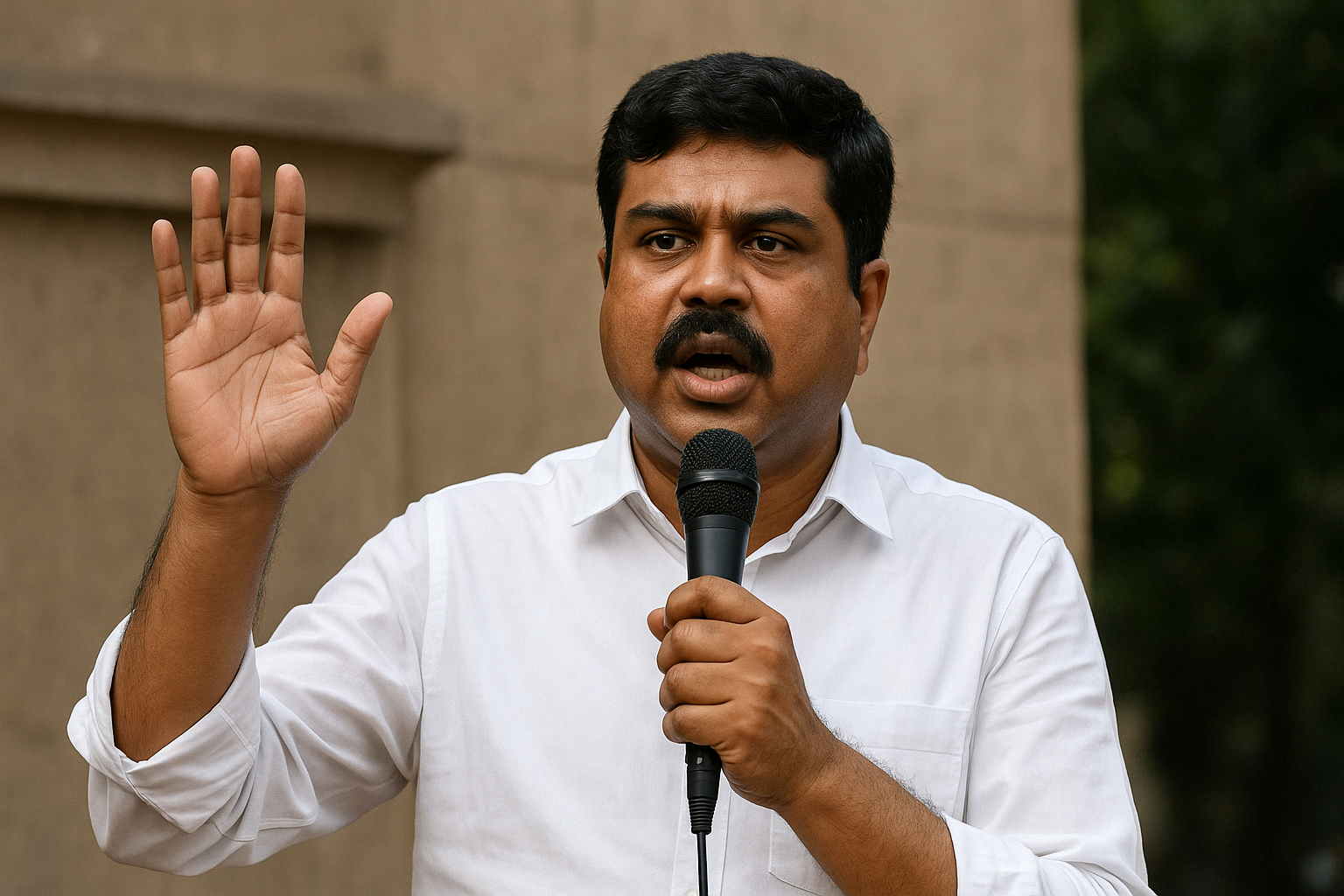
Recent controversies surrounding national testing standards have ignited widespread frustration among scholars and academic advocates across the country. In a fiery address, prominent youth representative Abhijeet Dipke voiced deep concern over the persistent mismanagement plaguing key academic evaluations. The conversation surrounding administrative accountability has reached a boiling point, prompting calls for immediate structural reform within the central governance of learning institutions.
Speaking to media channels, Dipke emphasized that the future of millions of young scholars should not be compromised to protect political interests. The debate centers on whether the leadership overseeing national testing agencies should bear direct responsibility for recurring technical glitches, paper leaks, and widespread logistical failures. Academic critics argue that systemic negligence has eroded public trust in standardized testing mechanisms.
Prioritizing Youth Futures Over Ministerial Positions
The core argument presented by student leaders revolves around a simple yet powerful premise: institutional integrity outweighs individual political survival. According to Dipke, retaining a specific official in a high-profile portfolio sends the wrong message to the academic community. When millions invest their time, financial resources, and emotional well-being into preparing for competitive evaluations, they expect a transparent and infallible process.
Furthermore, critics point out that repeated testing irregularities inflict severe psychological distress on participants. Many individuals spend years preparing tirelessly, only to face abrupt cancellations or compromised question papers. Such occurrences not only derail career trajectories but also diminish global confidence in the nation’s higher education framework.
Mobilization at Jantar Mantar
Gathering Grassroots Support
In an escalation of peaceful protests, activist networks are urging high-ranking officials to witness firsthand the ground realities faced by aspirants. By inviting key decision-makers to assemble at prominent demonstration sites like Jantar Mantar, youth leaders hope to bridge the growing disconnect between policymakers and the general public. Direct engagement would allow authorities to comprehend the profound anxiety experienced by the student populace.
Mass gatherings serve as a visual reminder of collective dissatisfaction. They unite diverse demographics under a singular banner of academic justice, demanding strict oversight, policy overhauls, and the implementation of foolproof technological protocols to safeguard future testing cycles. The pressure on the administration continues to mount as civil society organizations lend their weight to the movement.
Conclusion
The ongoing discourse surrounding academic governance highlights an urgent need for administrative transparency and institutional reform. As youth advocates continue to press for decisive action, the priority must remain on safeguarding the futures of countless scholars. Restoring credibility to national evaluations requires uncompromising standards, proactive leadership, and a willingness to prioritize the collective interest of the academic community above all else.
Frequently Asked Questions
Why are student activists demanding ministerial resignation?
Activists hold the leadership accountable for repeated testing irregularities, paper leaks, and logistical failures that jeopardize the academic futures of millions of young scholars.
What is the significance of the gathering at Jantar Mantar?
It serves as a public platform for demonstrators to voice their grievances, demand systemic educational reforms, and urge policymakers to witness student challenges firsthand.
How do testing controversies impact academic participants?
Recurring evaluation failures cause severe psychological distress, financial strain, and uncertainty, ultimately disrupting the career trajectories of aspirants.
