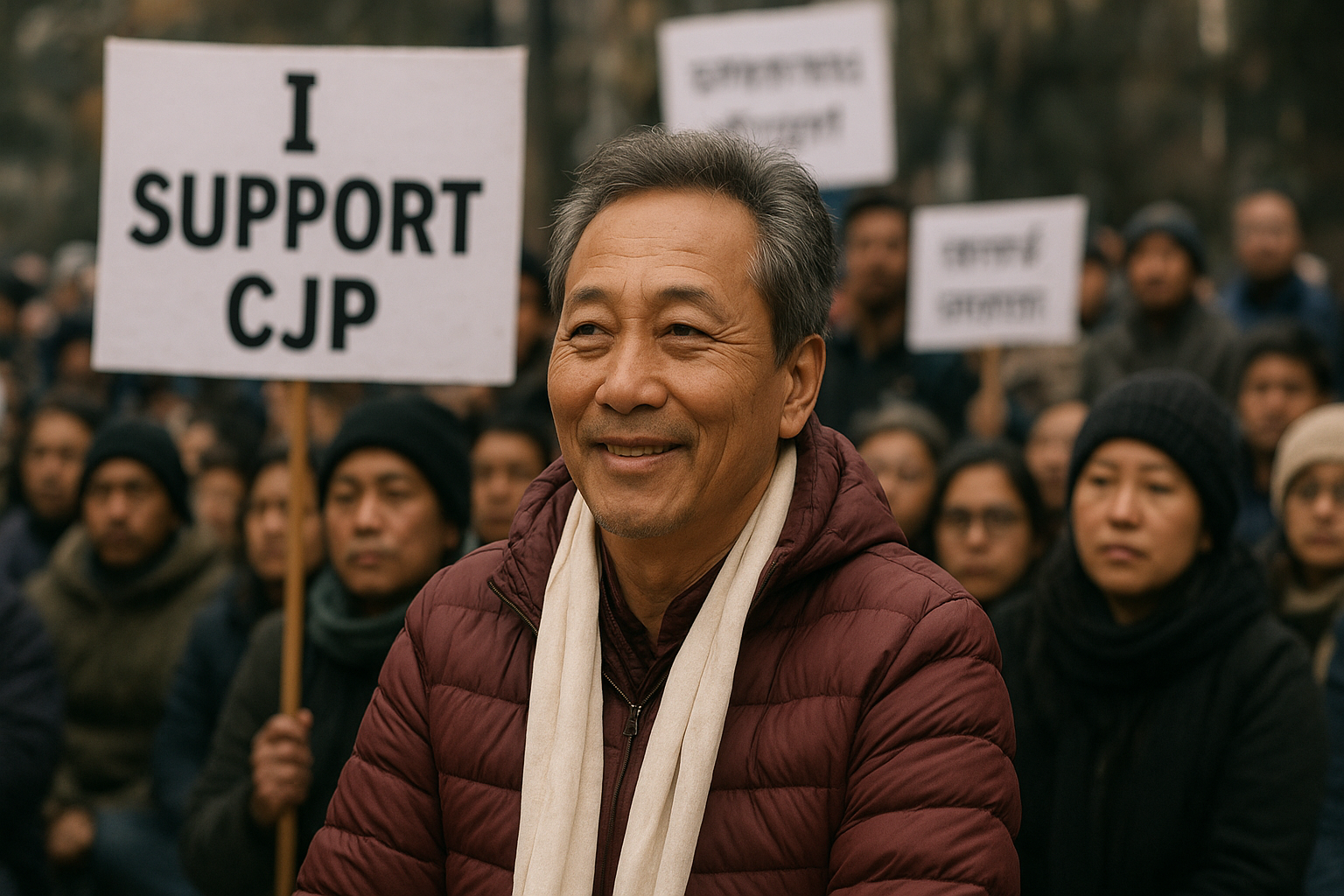
The Conclusion of a Historic Fast
Environmental activist Sonam Wangchuk has officially brought his prolonged hunger strike to a close after completing twenty-six days of intense protest. The decision comes amidst a wave of continuous demonstrations organized by the Cockroach Janta Party at Jantar Mantar, drawing significant attention from citizens, media outlets, and political figures alike. Wangchuk’s commitment to his cause has galvanized supporters across the nation, sparking widespread conversations regarding ecological preservation and regional autonomy.
During his lengthy fast, supporters gathered in the national capital to express solidarity with his demands. The atmosphere at the protest site remained charged, with various social groups, students, and prominent personalities visiting the venue to show their backing. Despite health concerns raised by medical professionals throughout the duration of the strike, the climate activist remained steadfast until reaching this milestone.
Understanding the Core Demands of the Protest
At the heart of the ongoing demonstrations are critical issues concerning environmental protection, governance, and constitutional safeguards for fragile ecosystems. Participants have consistently voiced their concerns over industrial expansion and policy decisions that they believe threaten local livelihoods and natural resources.
Key Issues Raised by Activists
The primary grievances center around securing special status to protect the delicate ecological balance of sensitive regions. Activists argue that rapid commercialization without adequate safeguards could lead to irreversible environmental damage. Furthermore, local representation and democratic governance remain central pillars of the ongoing discourse at the demonstration site.
Public Response and Solidarity
The movement has transcended regional boundaries, inspiring individuals from diverse backgrounds to participate in solidarity gatherings. Social media platforms have amplified the voices of the demonstrators, bringing national and international focus to the situation unfolding at Jantar Mantar.
The Path Forward for the Movement
As the initial phase of the hunger strike concludes, organizers and participants are shifting their focus toward sustained advocacy and dialogue. While the immediate physical fast has ended, the underlying mission continues to gain momentum. Leaders of the movement emphasize that peaceful engagement and public education will remain the primary tools for achieving their long-term objectives.
Conclusion
The conclusion of Sonam Wangchuk’s twenty-six-day fast marks a pivotal moment in the ongoing environmental and political demonstrations at Jantar Mantar. While the hunger strike has ended, the resilience displayed by the activists has left an indelible mark on the national dialogue regarding ecological conservation and democratic rights. The future of the movement will likely depend on sustained public engagement and constructive negotiations with policymakers.
Frequently Asked Questions
Why did Sonam Wangchuk end his hunger strike?
Sonam Wangchuk concluded his 26-day fast after drawing significant national attention to critical environmental and governance demands, marking a major milestone for the ongoing demonstrations at Jantar Mantar.
What are the main demands of the protesters at Jantar Mantar?
The protesters are primarily advocating for constitutional safeguards, ecological protection for sensitive regions, and enhanced democratic representation for local populations.
How long did the protest fast last?
The hunger strike lasted for a total of 26 days, during which numerous supporters and public figures visited the demonstration site to express solidarity.
