Understanding the Environmental Movement in New Delhi
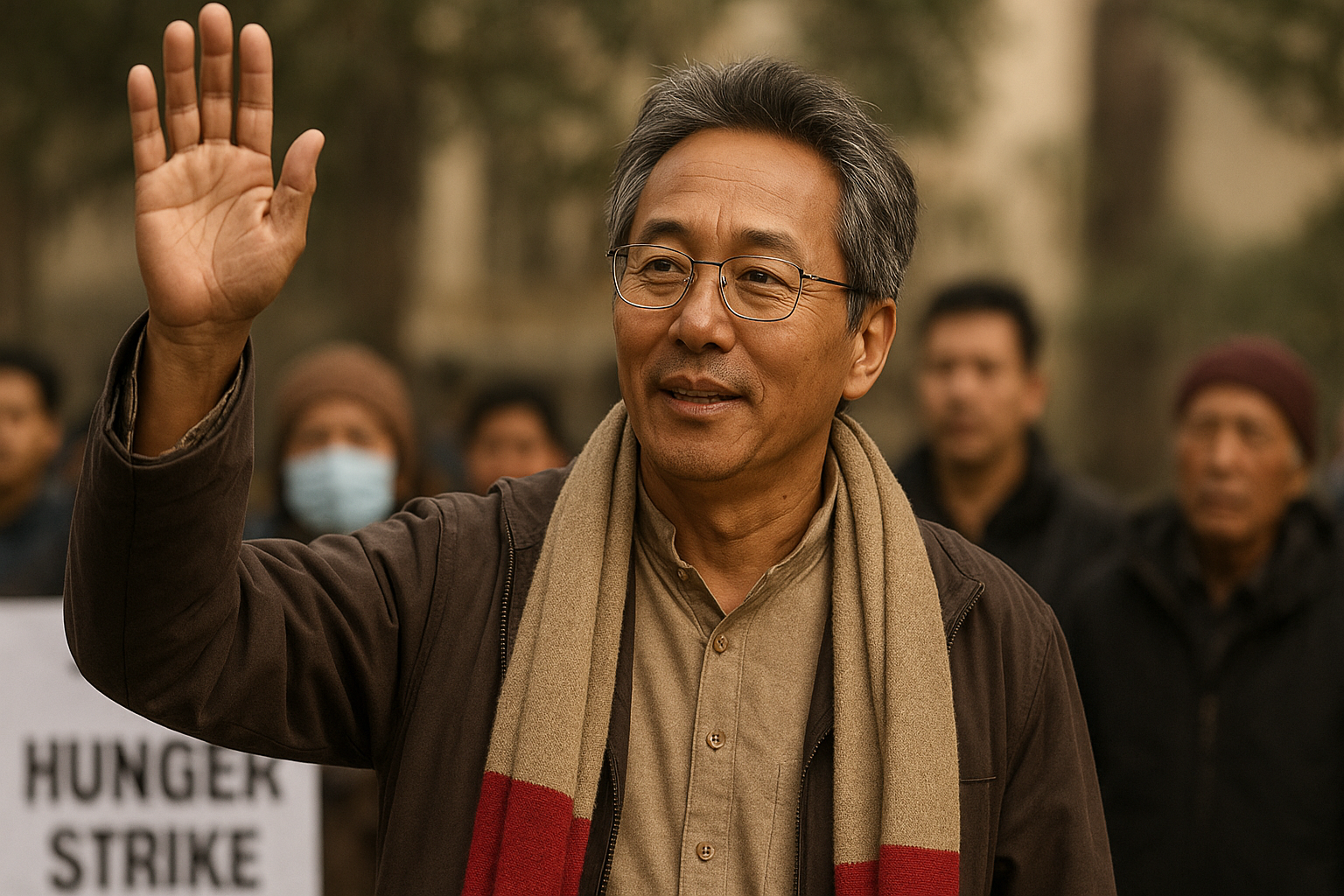
The national capital has been the epicenter of intense civic activism over the past month. Environmentalists, activists, and citizens from various walks of life have gathered to voice their concerns regarding ecological preservation and regional autonomy. At the heart of this movement was a remarkable demonstration of endurance that captured the nation’s attention, culminating in a significant milestone for the participants involved.
The Significance of the 26-Day Fast
Enduring a hunger strike for nearly four weeks requires immense physical and mental resolve. The decision to halt the prolonged fast marked a critical turning point for the gathering at Jantar Mantar. Supporters had flocked to the site daily, offering solidarity and amplifying the core messages of sustainability and constitutional safeguards for fragile ecosystems.
The Role of the Cockroach Janta Party and Local Demonstrations
Alongside the primary environmental campaigns, various political and social entities have maintained a continuous presence in the area. Organizations like the Cockroach Janta Party have actively participated in the sit-ins, ensuring that public discourse remains vibrant and diverse. These demonstrations have served as a platform for marginalized voices to articulate their grievances regarding governance, environmental degradation, and policy implementation.
Key Demands Raised by the Protesters
- Implementation of robust constitutional protections for fragile mountain regions.
- Immediate resumption of dialogue between central authorities and regional representatives.
- Greater transparency in environmental impact assessments for developmental projects.
- Safeguarding local livelihoods against unchecked industrial encroachment.
Public Response and Future Outlook
The developments in New Delhi have sparked widespread debates across mainstream media and digital platforms. Citizens and policy experts continue to analyze the implications of these prolonged demonstrations on national policy. While the conclusion of the fast brings a temporary end to a grueling physical protest, the underlying issues remain pressing. Observers suggest that the momentum generated during these weeks will likely shape future advocacy efforts and political engagements in the months to come.
Conclusion
The conclusion of the 26-day hunger strike at Jantar Mantar signifies both a pause in an intense physical protest and the continuation of a broader ideological struggle. As the dust settles in the capital, the focus shifts toward how authorities will respond to the demands for ecological preservation and regional rights. The events have once again highlighted the power of persistent civic engagement in shaping the national dialogue.
Frequently Asked Questions
1. Why was the hunger strike organized at Jantar Mantar?
The protest was organized to demand stronger environmental safeguards and constitutional protections for fragile ecosystems, drawing national attention to regional concerns.
2. How long did the fast last?
The primary fast lasted for a remarkable 26 days before coming to an end amidst ongoing demonstrations in New Delhi.
3. Which groups were involved in the capital protests?
The demonstrations saw participation from various environmental activists, citizens, and political entities, including the Cockroach Janta Party.
