Introduction to the Historic Fast
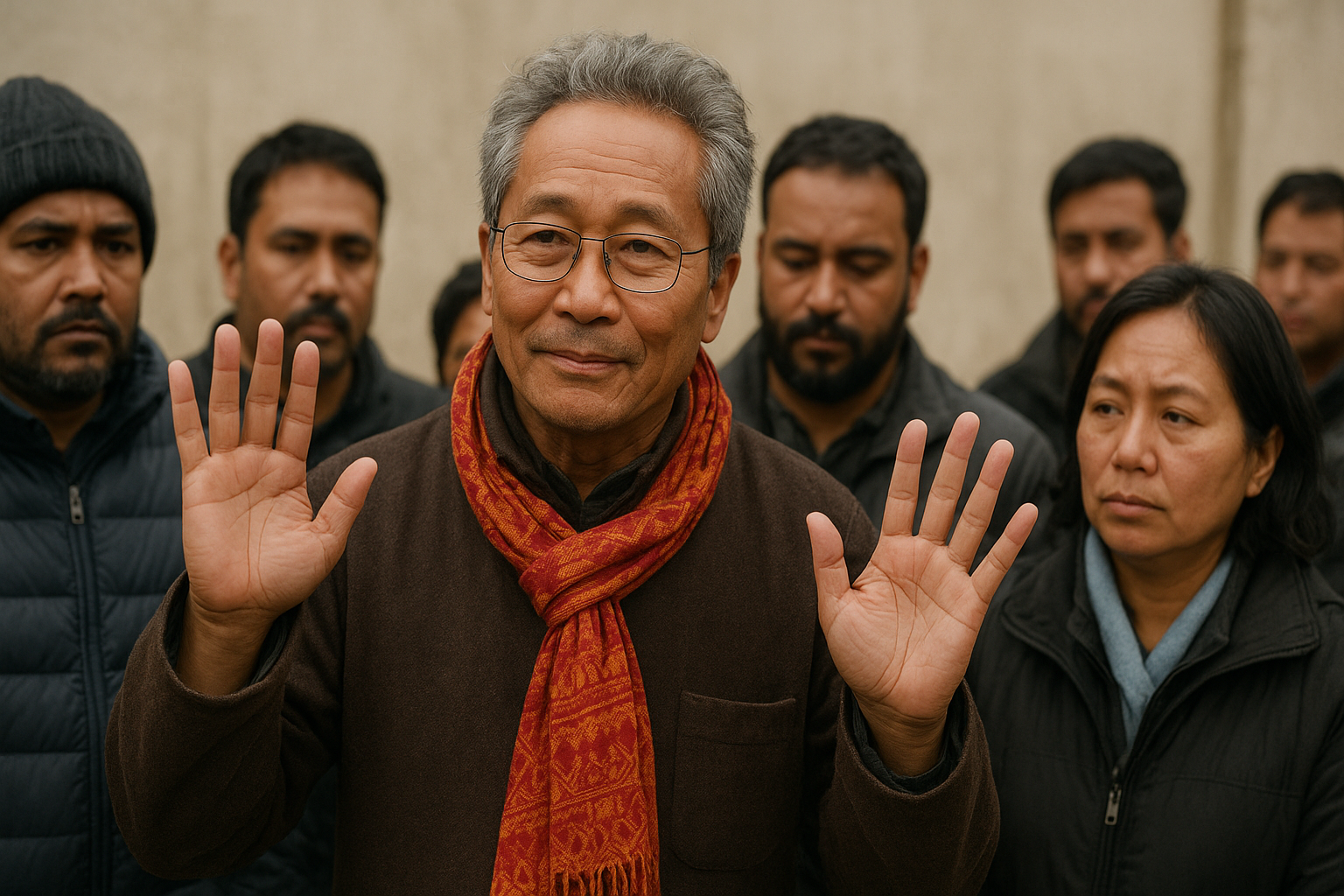
The notable environmental activist and innovator Sonam Wangchuk has officially called off his prolonged fasting protest after nearly four weeks without food. The dramatic conclusion to the demonstration came late into the evening following intense discussions regarding governance, autonomy, and environmental protections for the sensitive Himalayan region.
The Catalyst for the Decision
Wangchuk stated that the primary motivation for halting his rigorous hunger strike was the culmination of extensive dialogue concerning multiple key demands. Furthermore, organizers and community leaders expressed profound concern over the potential for escalating social unrest and widespread violence across the nation if the standoff were allowed to continue indefinitely. Prioritizing public safety and national harmony ultimately tipped the scales toward pausing the direct action.
Background of the Protest Movement
For nearly a month, the peaceful demonstration captured the attention of citizens nationwide, drawing widespread sympathy and support from various social strata. The movement focused heavily on securing constitutional safeguards to protect the fragile ecology and distinct cultural identity of the region, which has experienced significant administrative shifts in recent years. Protesters maintained that local populations deserve a stronger voice in governance and developmental planning.
Key Demands Put Forward
- Constitutional safeguards under the Sixth Schedule for better regional autonomy.
- Immediate restoration of full statehood or democratic legislative representation.
- Comprehensive ecological preservation policies to combat industrial overreach.
- Employment guarantees and youth-centric developmental initiatives.
The Role of Dialogue and Negotiations
Behind-the-scenes diplomacy intensified during the final week of the fast, as public health indicators for the activist began to show concerning trends. Government representatives engaged with community delegates in a series of marathon sessions aimed at finding common ground. While not all demands were immediately met, the willingness of authorities to formalize future committee discussions provided enough reassurance for Wangchuk to take nourishment.
Public Reaction and Safety Concerns
Apprehension had been mounting among security agencies and civil society groups alike regarding the volatile nature of public sentiment. Rallies and solidarity marches were springing up in multiple urban centers, raising the specter of civil friction. By stepping back from the hunger strike, Wangchuk effectively defused a high-tension scenario, earning praise from peace advocates across the political spectrum.
Conclusion
The termination of Sonam Wangchuk’s twenty-six-day hunger fast marks a pivotal moment in the ongoing dialogue regarding regional rights and environmental conservation. While the immediate threat of civil unrest has receded due to these recent negotiations, the underlying challenges concerning local governance and ecological protection remain vital topics of national discussion. Moving forward, the success of these commitments will depend entirely on the sincerity and transparency of the follow-up talks between community representatives and state authorities.
Frequently Asked Questions
Why did Sonam Wangchuk end his hunger strike?
He concluded his twenty-six-day fast after extended negotiations yielded promising commitments on key demands and to prevent potential violence or civil unrest in the country.
What were the main goals of the protest?
The movement sought constitutional safeguards for regional autonomy, environmental protections, and greater democratic representation for the local population.
What happens next following the end of the fast?
Community leaders and government representatives are expected to continue formal discussions through established committees to address the core grievances raised during the protest.
