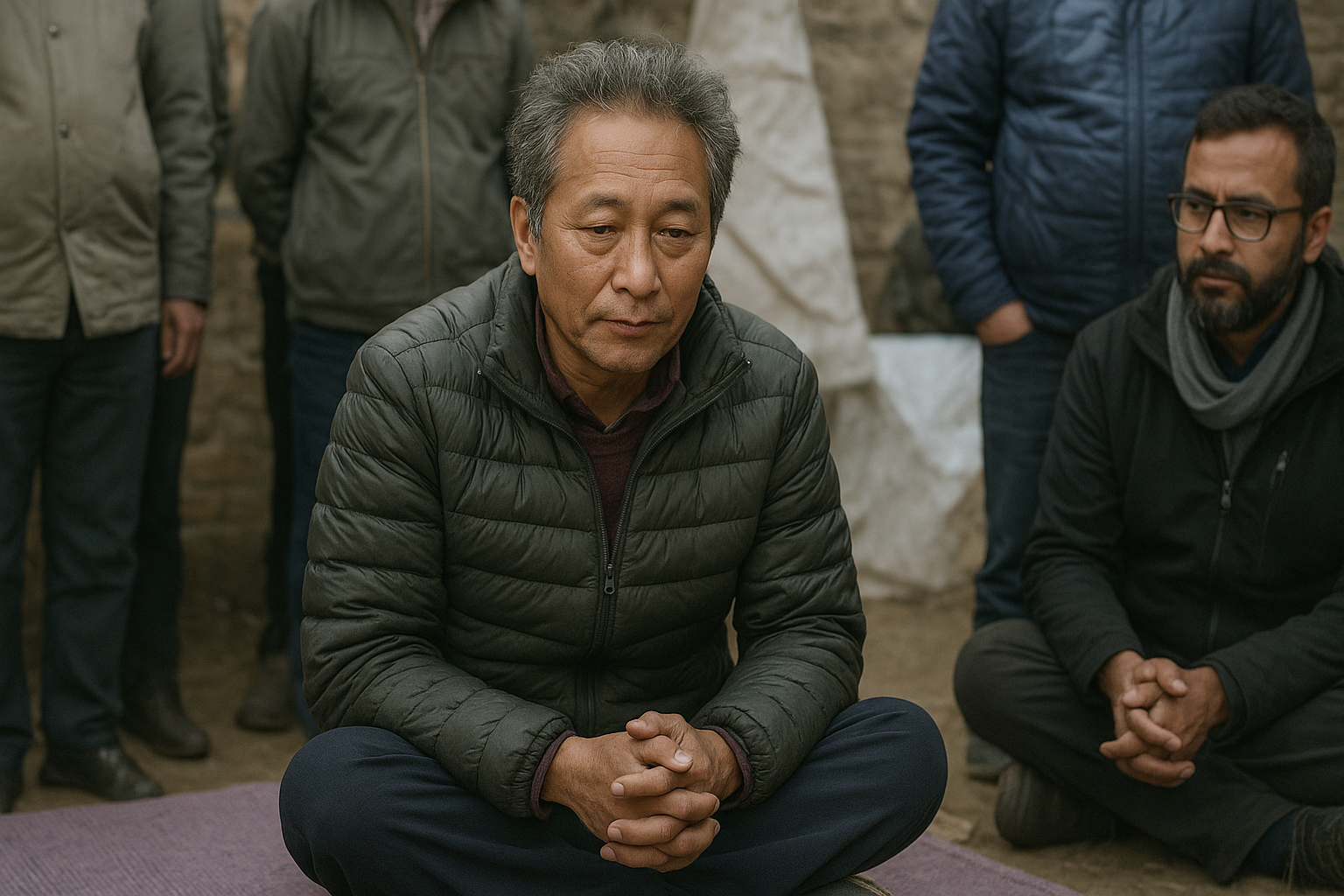
Introduction to the Historic Fast
Environmental activist Sonam Wangchuk has officially called off his prolonged hunger strike after enduring twenty-six days without food. The dramatic conclusion came after intensive discussions regarding regional autonomy, environmental protections, and constitutional safeguards for the sensitive Himalayan landscape. Supporters and environmentalists across the nation had been closely monitoring his health as the demonstration entered its fourth week.
The Core Demands and Negotiations
The prolonged protest was rooted in demands for ecological preservation and democratic governance for the region. Wangchuk and his supporters have long advocated for the implementation of the Sixth Schedule of the Indian Constitution, which would grant indigenous communities greater legislative and administrative autonomy to protect their fragile ecosystem from unchecked industrial development.
Why the Strike Was Called Off
Speaking to the media and his supporters, Wangchuk explained that the decision to break his fast was not made lightly. After exhaustive dialogues with various stakeholders and representatives, a mutual understanding began to take shape. Furthermore, the activist expressed deep concern regarding the potential for escalating civil unrest and violence across the country. Maintaining peace and public safety ultimately tipped the scale, prompting him to accept the negotiated terms and conclude the fasting period.
Public Reaction and National Impact
The conclusion of the fast has sparked widespread reactions from political figures, civil society groups, and environmental advocates. While many breathed a sigh of relief over his improving health, attention has quickly shifted toward the government’s next steps regarding the promised dialogues. Observers note that the movement has successfully brought national and international attention to the vulnerabilities of mountain ecosystems and the political aspirations of remote tribal populations.
Moving Forward: What Lies Ahead
As Wangchuk begins the delicate process of physical recovery, the focus turns to the implementation phase of the recent discussions. Civil leaders emphasize that the suspension of the hunger strike marks the beginning of a new chapter of political engagement rather than the end of the struggle. The coming months will reveal whether the commitments made during the negotiations will translate into concrete legislative and environmental reforms.
Conclusion
Sonam Wangchuk’s decision to terminate his twenty-six-day hunger strike highlights the complex balance between passionate civic activism and the preservation of public order. By prioritizing national harmony and entering into constructive dialogue, the prominent activist has demonstrated a willingness to pursue peaceful pathways for reform. Although the immediate health crisis has passed, the underlying issues concerning regional autonomy and ecological safeguarding remain central to the nation’s political discourse.
Frequently Asked Questions
Why did Sonam Wangchuk start the hunger strike?
The hunger strike was initiated to demand constitutional safeguards under the Sixth Schedule, aiming to protect the fragile environment and ensure local self-governance for the region.
How long did the hunger strike last?
The protest lasted for a total of 26 days before being called off following intensive negotiations.
Why did he decide to end the fast?
Wangchuk ended the fast due to progress made in recent discussions and out of concern for potential violence and civil unrest in the country.
