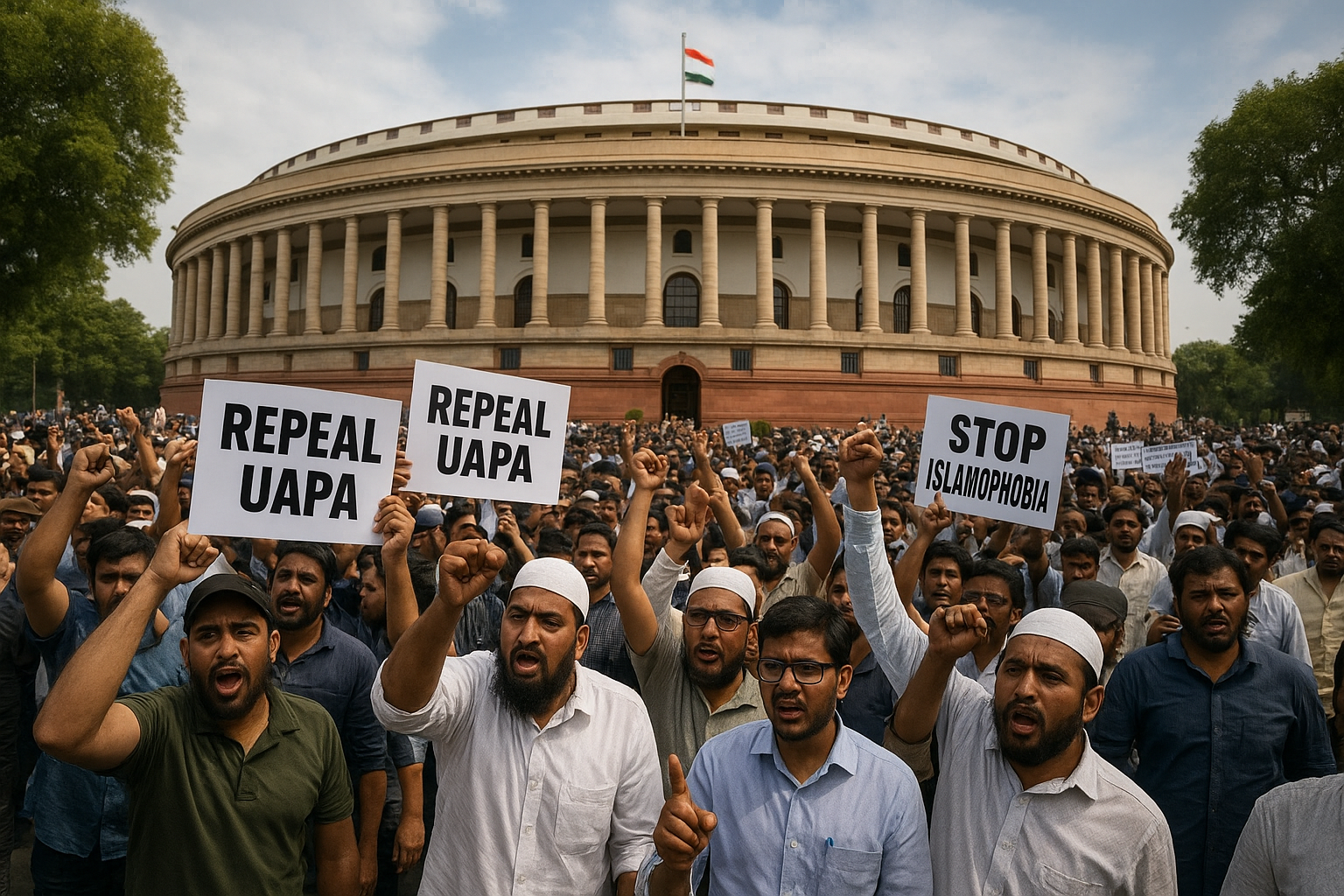
Understanding the Recent Legal Ruling
In a significant judicial development, the judiciary has officially dismissed a petition seeking a specialized anti-terrorism investigation into the events surrounding the legislative district march that took place on the twentieth of July. The presiding bench made it clear that the authority to transfer cases to specialized federal counter-terrorism units lies solely with the central administration rather than the judicial branch of government. This decision clarifies the separation of powers when it comes to initiating high-level criminal probes.
The Core Argument of the Petition
The petitioner had approached the court with serious allegations regarding the nature of the protests and potential subversive elements involved in the demonstration. By demanding an intervention from the premier national investigating agency, the applicant hoped to uncover deeper conspiracies. However, the bench scrutinized the maintainability of such a request, focusing heavily on statutory procedures and jurisdictional boundaries.
Limits of Judicial Intervention
During the proceedings, the bench emphasized that courts cannot usurp executive functions. Referring a matter to the premier federal investigation agency is an administrative decision that requires executive evaluation, policy consideration, and formal notification. The judiciary reiterated that its role is to review executive actions for legality, not to direct the government on how to exercise its investigative discretion.
Implications for Future Public Demonstrations
This ruling sets a clear precedent regarding how legal challenges against public protests are handled. Activists, organizers, and civil rights groups often find themselves facing stringent allegations when demonstrations turn chaotic. However, the threshold for involving federal counter-terrorism authorities remains strictly tied to central government oversight rather than private legal petitions.
Balancing Security and Civil Liberties
Legal experts suggest that keeping the power of federal investigation referrals within the executive branch prevents the misuse of anti-terrorism laws for political maneuvering. While public safety and national security are paramount, courts remain cautious about over-expanding the mandate of specialized agencies through judicial mandates.
Conclusion
The dismissal of the plea regarding the July legislative district march reinforces established legal protocols concerning federal investigations. By affirming that only the central administration possesses the mandate to delegate cases to the national anti-terrorism agency, the court has preserved the traditional boundaries of institutional authority, ensuring that executive discretion remains untouched by direct judicial directives.
Frequently Asked Questions
Who filed the plea for the anti-terrorism investigation?
The petition was brought forward by an individual seeking a deeper probe into the events of the July legislative march, alleging potential subversive activities.
Why did the court reject the petition?
The bench ruled that the judiciary lacks the authority to direct cases to the national investigation agency, stating that such decisions rest exclusively with the central government.
What is the role of the national investigation agency in such cases?
The agency handles high-profile terrorism and national security matters, but cases can only be referred to it through formal administrative channels by the central authorities.
