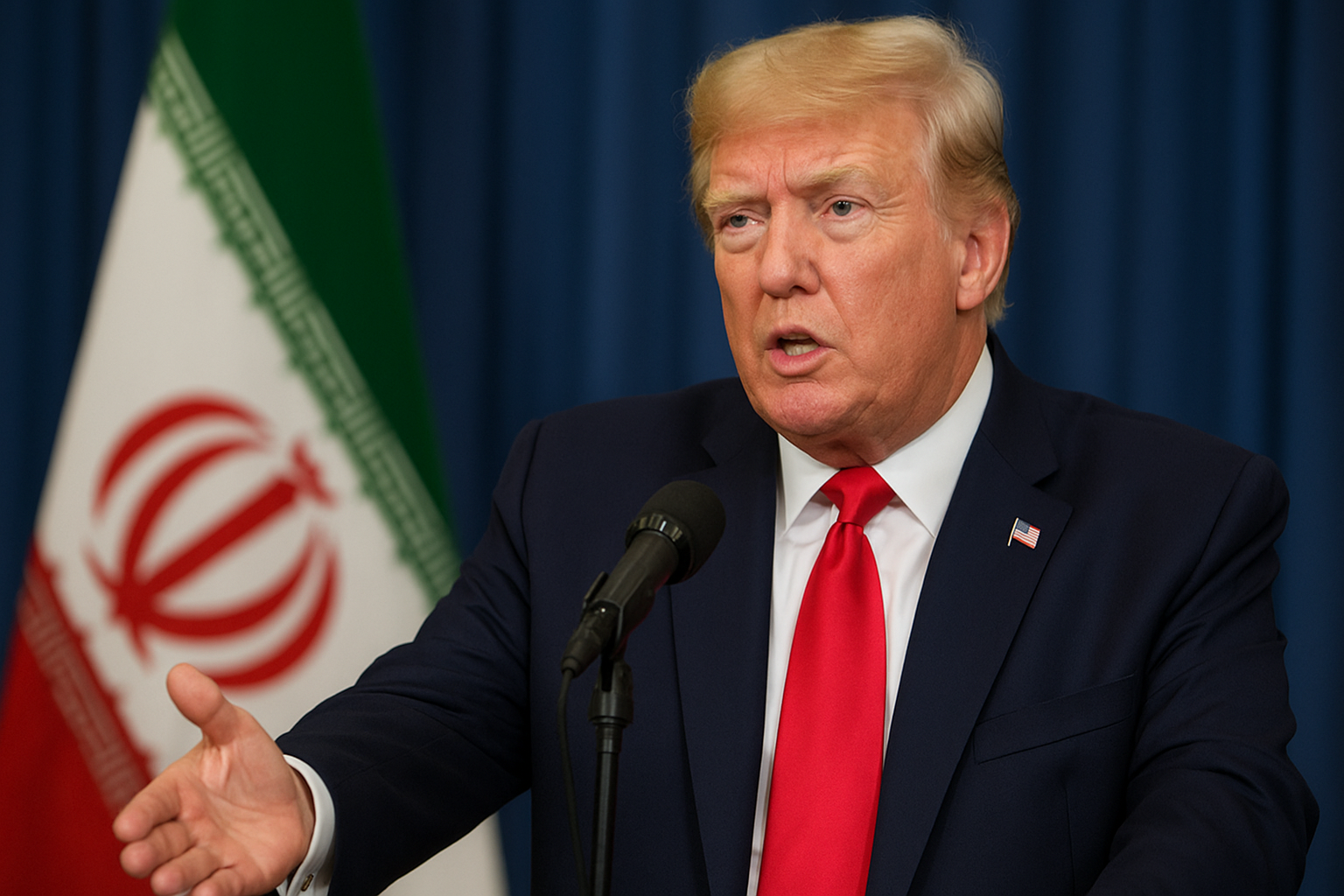
Shifting Dynamics in US-Iran Relations
Recent developments in international diplomacy have pointed toward a potential turning point between Washington and Tehran. American leadership has indicated that Iranian representatives are adopting a more earnest approach during ongoing diplomatic engagements. This shift in posture comes at a critical juncture, as global observers closely monitor the volatile geopolitical landscape of the Middle East.
For months, the rhetoric between the two nations has been characterized by intense friction and high-stakes maneuvering. However, recent remarks suggest that backchannel communications and preliminary talks might be yielding a more constructive dialogue. The administration in Washington appears willing to weigh diplomatic solutions against more aggressive military postures, signaling a nuanced approach to foreign policy in the region.
Weighing Military Options Against Diplomacy
The possibility of kinetic action remains a persistent topic of discussion among defense strategists. While the ultimate decision regarding potential military strikes has not been finalized, the threat itself has frequently been utilized as leverage to compel Tehran to the negotiating table. Analysts suggest that this dual-track strategy—combining maximum economic pressure with the looming prospect of force—is designed to force a fundamental reassessment of policy within Iran.
Despite the persistent threat of escalation, the emphasis has seemingly shifted toward the merits of ongoing talks. Observers note that economic sanctions have taken a severe toll on the Iranian economy, creating a domestic imperative for leadership to seek relief through diplomatic channels. Whether this economic pressure will translate into a lasting agreement remains to be seen, but the current engagement marks a notable departure from outright hostility.
International Reactions and Regional Implications
Regional powers and international allies are watching these diplomatic overtures with a mixture of cautious optimism and skepticism. European nations, in particular, have long advocated for a negotiated settlement to avoid a devastating regional conflict that could disrupt global energy supplies and security. These capitals have consistently urged both Washington and Tehran to maintain open lines of communication.
At the same time, regional adversaries of Iran are maintaining a vigilant stance, ensuring their security interests are not compromised in any potential diplomatic breakthrough. The delicate balance of power in the Middle East means that any significant agreement between the United States and Iran would send shockwaves through the region, altering alliances and security calculations for years to come.
What Comes Next for Washington and Tehran?
As discussions continue, the primary focus remains on whether both sides can bridge the significant gaps that have historically divided them. Key issues such as regional influence, ballistic missile development, and nuclear capabilities remain formidable obstacles. Overcoming these hurdles will require immense political will and flexibility from both leaderships.
The coming weeks will likely prove decisive. If the current momentum in talks can be sustained, it may pave the way for formal negotiations aimed at a comprehensive accord. Conversely, any sudden breakdown in communication could quickly revert the situation to a state of acute crisis, highlighting the fragile nature of the current diplomatic opening.
Conclusion
The evolving dialogue between the United States and Iran represents a critical moment for international diplomacy. While the threat of military intervention has not entirely dissipated, the growing seriousness in bilateral talks offers a glimmer of hope for a peaceful resolution. The international community will undoubtedly continue to press for sustained dialogue, hoping that diplomacy ultimately prevails over conflict in this vital region.
Frequently Asked Questions
What led to the recent shift in talks between the US and Iran?
Severe economic pressure from international sanctions, combined with sustained diplomatic and strategic pressure from Washington, has created an environment where Iranian leadership is finding greater incentive to engage in serious negotiations.
Have final decisions been made regarding military action?
No definitive decisions regarding major military strikes have been finalized. The administration continues to weigh various policy options while closely monitoring the progress of ongoing diplomatic efforts.
Why are international allies closely monitoring these developments?
Global allies, particularly in Europe and the Middle East, are invested in the outcome because any conflict would have severe repercussions for global security, economic stability, and regional energy supplies.
