Shifting Dynamics in US-Iran Relations
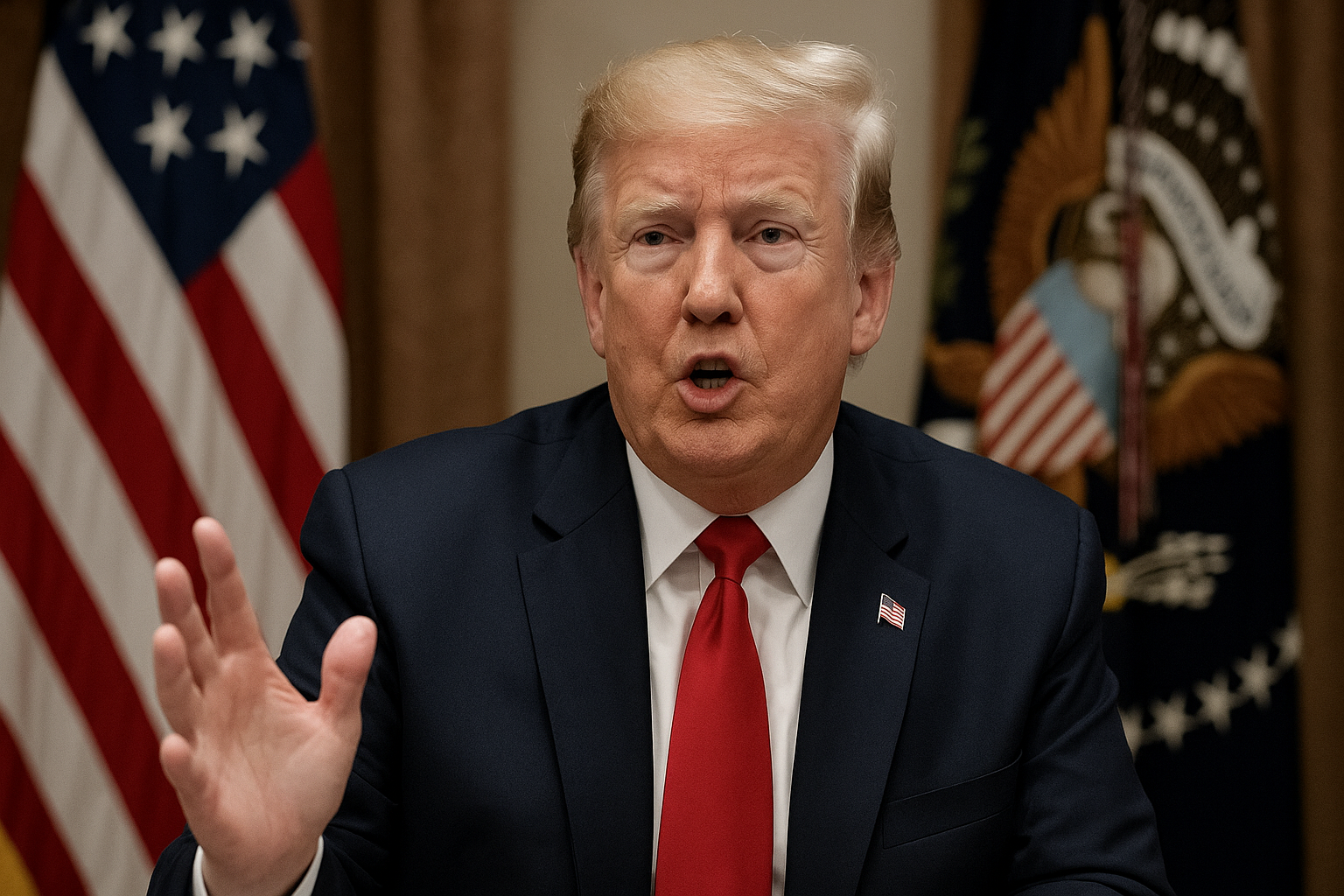
Recent developments surrounding diplomatic channels between Washington and Tehran have pointed toward a potential de-escalation of regional hostilities. According to statements made by former US President Donald Trump, Iranian officials have exhibited a renewed commitment to constructive dialogue. This apparent shift has introduced a layer of cautious optimism into an otherwise volatile geopolitical landscape that has kept global markets and international policymakers on edge for months.
For an extended period, the rhetoric exchanged between the two capitals was dominated by threats of military action and economic retaliation. However, the latest diplomatic signals suggest that both sides may be willing to explore alternative pathways. The acknowledgment of serious engagement indicates that back-channel communications or third-party mediation efforts might be yielding tangible results, reducing the immediate risk of a catastrophic military confrontation in the Middle East.
The Role of Economic Pressure
A primary driver behind Tehran’s apparent willingness to return to the negotiating table has been the severe impact of sustained economic sanctions. The maximum pressure campaign implemented by the United States heavily restricted Iran’s oil exports, severely crippling its domestic economy and fueling widespread public discontent. Analysts suggest that the accumulated financial strain has left Iranian leadership with few viable alternatives other than seeking a negotiated settlement to lift the crushing trade barriers.
Despite the domestic hardships, Iran has historically maintained a staunch posture against perceived foreign coercion. The decision to engage in serious talks, therefore, represents a calculated maneuver. By demonstrating a readiness to negotiate, Tehran hopes to secure relief from economic sanctions without appearing capitulatory to its domestic hardline constituents. Meanwhile, Washington has continuously asserted that its ultimate objective is not regime change, but rather a comprehensive agreement that permanently halts hostile regional activities and nuclear ambitions.
Evaluating Military Options
Even as diplomatic tracks show signs of progress, the threat of military intervention has remained a persistent backdrop. Leadership in Washington has consistently emphasized that all options remain on the table to prevent the proliferation of weapons of mass destruction and to protect regional allies. The deliberate ambiguity surrounding potential strike plans serves as a strategic deterrent, keeping pressure on Tehran to remain serious at the negotiating table.
Strategic Calculations in Washington
Decisions regarding the use of military force require meticulous planning and a thorough assessment of potential blowback. Launching major strikes against sovereign targets carries immense risks, including the activation of proxy networks across the Middle East, severe disruptions to global energy supplies, and the potential for a protracted regional war. Consequently, the preference for diplomatic resolution—provided the adversary demonstrates genuine intent—remains the most prudent course of action for American strategists.
The evaluation process is further complicated by the domestic political climate and the perspectives of international partners. European allies, in particular, have persistently advocated for a diplomatic solution, warning that military escalation could yield disastrous humanitarian and economic consequences. By noting that the opposing side is finally engaging in serious discussions, the administration has created a justifiable window to prioritize diplomacy over kinetic action.
Conclusion
The evolving dialogue between Washington and Tehran marks a critical juncture in international relations. While significant hurdles remain before a comprehensive and lasting agreement can be achieved, the transition from hostile posturing to serious negotiation is a welcome development. The future of regional stability will largely depend on the sincerity and flexibility demonstrated by both administrations in upcoming diplomatic sessions. As the world watches closely, the avoidance of military conflict through sustained dialogue remains the ultimate goal for international peace and security.
Frequently Asked Questions
What prompted the shift in diplomatic relations between the US and Iran?
The shift is largely attributed to the compounding effects of severe economic sanctions on Iran, which created immense financial pressure, alongside strategic diplomatic efforts by both nations to avoid a wider military conflict.
Are military options completely off the table?
No, leadership in Washington has maintained that all options remain under consideration, using the threat of potential military strikes as leverage to ensure continued serious engagement from Tehran.
What is the ultimate objective of the current negotiations?
The primary goal is to reach a comprehensive diplomatic framework that addresses security concerns, restricts hostile regional activities, and provides economic sanction relief for Iran.
