Diplomatic Breakthrough on the Horizon
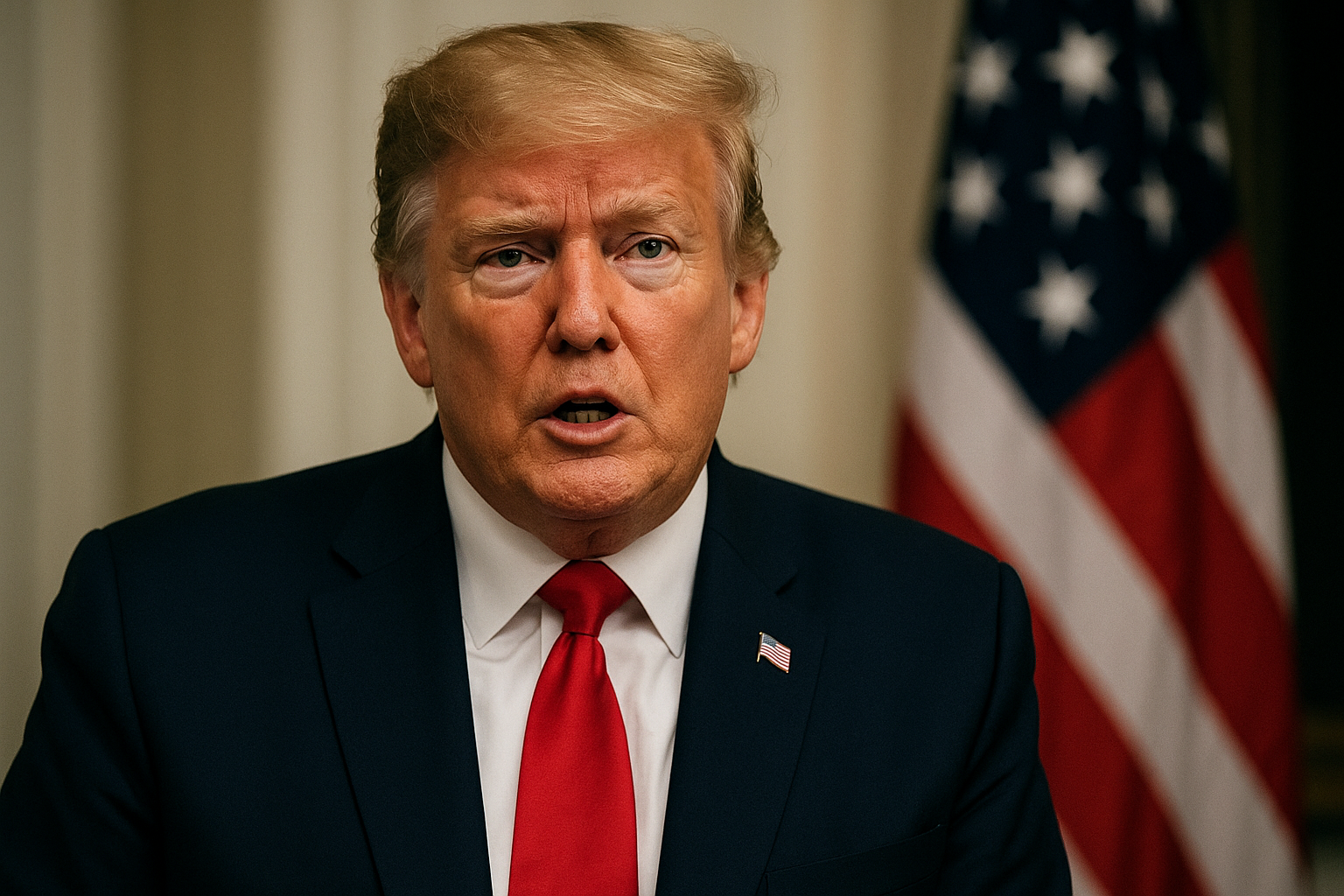
Recent developments in international relations have signaled a potential turning point between Washington and Tehran. During a high-profile media briefing, the American commander-in-chief revealed that diplomatic channels are yielding a more constructive tone. According to the administration, representatives from the Islamic Republic have begun approaching negotiations with a newfound level of gravity, suggesting that economic pressures and regional dynamics may be compelling leaders to reconsider their hardline stances. International observers are closely monitoring these shifts, hoping that dialogue will ultimately supplant military escalation in one of the world’s most volatile geopolitical zones.
Evaluating Military Options Amid Diplomatic Progress
Despite the positive signals emanating from diplomatic backchannels, the White House maintains a firm stance regarding military readiness. The administration has repeatedly emphasized that all options remain on the table, reflecting a dual-track strategy of maximum pressure combined with open communication channels. Defense analysts point out that while the threat of kinetic action has not been entirely removed, the focus has visibly tilted toward exploring peaceful resolutions. The delicate balance between deterrence and diplomacy requires constant calibration by foreign policy experts who seek to prevent unintended conflicts while holding foreign adversaries accountable.
The Role of International Mediators
Third-party nations have played a crucial role in bridging the gap between the two estranged governments. European and Middle Eastern intermediaries have worked tirelessly to keep communication lines open, conveying messages and clarifying positions to prevent miscalculations. These backchannel negotiations are often invisible to the general public, yet they form the backbone of modern crisis management. As the Islamic Republic demonstrates a willingness to engage more seriously, the contributions of these mediators become even more pronounced in forging a sustainable pathway forward.
Economic Pressures Driving Policy Shifts
Economic factors remain a primary catalyst behind the changing demeanor of the leadership in Tehran. Decades of comprehensive sanctions have severely strained the national economy, leading to widespread domestic discontent and currency devaluation. Analysts argue that the current economic reality leaves little room for continued defiance without severe internal repercussions. Consequently, engaging meaningfully with the international community has become an urgent necessity rather than a mere diplomatic option. This financial leverage utilized by Washington appears to be yielding the intended behavioral adjustments from foreign counterparts.
Looking Ahead: The Future of Bilateral Relations
As the diplomatic dance continues, the ultimate outcome remains uncertain. Skepticism persists among hardliners in both capitals who doubt the sincerity of the opposing side. Building mutual trust will require sustained commitment, verifiable concessions, and a mutual recognition of sovereignty and security concerns. Whether this moment of serious dialogue blossoms into a comprehensive agreement or fades into another cycle of mistrust depends heavily on the upcoming rounds of discussions. Global markets and political capitals alike remain on high alert, watching for the next tangible sign of progress in this high-stakes diplomatic arena.
Conclusion
The evolving dialogue between Washington and Tehran marks a fascinating chapter in contemporary international diplomacy. While the specter of conflict continues to loom, the transition toward serious talks offers a glimmer of hope for peaceful resolution. The combination of sustained economic pressure and persistent mediation has successfully altered the calculus for leadership in the Islamic Republic. Moving forward, the international community must support diplomatic efforts while remaining vigilant against potential setbacks, ensuring that dialogue ultimately prevails over military confrontation.
Frequently Asked Questions
Why are negotiations between Washington and Tehran considered more serious now?
Recent diplomatic engagements reflect a noticeable shift in tone and urgency from the Islamic Republic, largely driven by severe economic pressures and the continuous threat of military escalation.
Have military options been completely ruled out by the White House?
No, the administration has maintained that all options, including potential military strikes, remain on the table to ensure compliance and deter hostile actions in the region.
What role do third-party mediators play in these discussions?
European and regional intermediaries act as crucial bridges between the two governments, facilitating secret communications and helping to prevent dangerous miscalculations during crises.
