Overview of the Recent Military Escalation
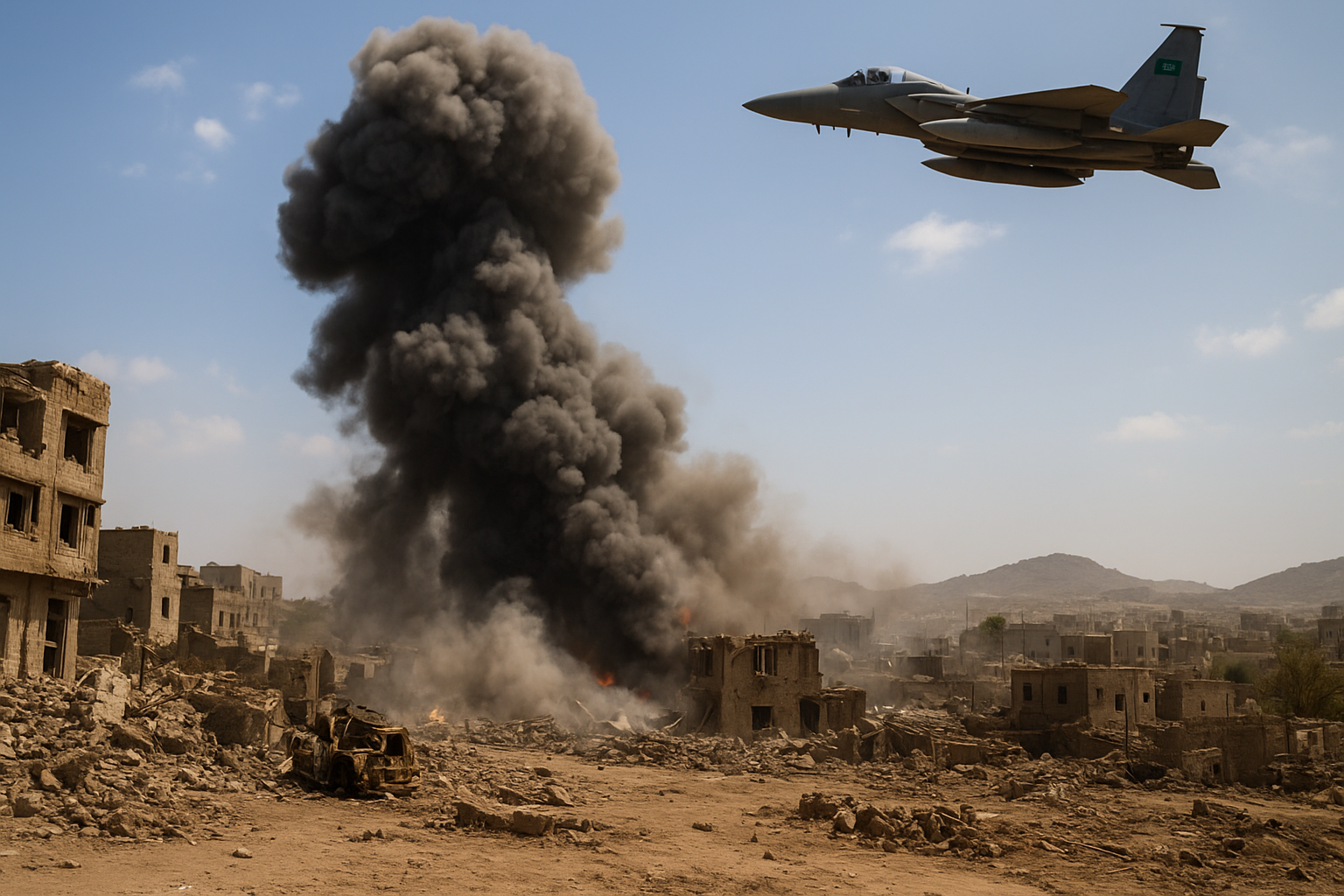
The fragile security landscape in Yemen experienced another severe jolt recently as a series of intense aerial operations targeted strategic locations within the Hodeidah governorate. Local broadcaster Al Masirah TV, operated by the Houthi movement, confirmed that multiple bombardments struck key facilities along the critical Red Sea coastline. These military actions highlight the enduring volatility of a regional conflict that continues to threaten maritime trade routes and regional stability.
Eyewitnesses on the ground reported hearing deafening explosions reverberating across the coastal territory as projectiles impacted infrastructure near the vital marine gateway. The Hodeidah harbor serves as a primary lifeline for millions of Yemeni citizens living in northern territories, facilitating the majority of humanitarian aid, commercial food imports, and fuel supplies entering the country. Consequently, any military activity directed at this coastal zone inevitably raises profound concerns among international observers and aid organizations regarding the welfare of the civilian population.
Strategic Importance of the Red Sea Governorate
A Critical Lifeline Under Threat
Hodeidah remains arguably the most politically and economically sensitive territory in the ongoing civil strife. The governorate’s harbor acts as the principal entry point for essential commodities destined for areas under Houthi administration. Previous truces and international diplomatic efforts have frequently stalled over disagreements concerning the control and security of this maritime hub. The recent aerial bombardments underscore how easily localized skirmishes can escalate into broader confrontations, jeopardizing fragile ceasefires and undermining ongoing peace talks brokered by the United Nations.
Regional Security Implications
Beyond the immediate humanitarian ramifications, the strikes in Hodeidah carry significant implications for regional security. The Red Sea is one of the busiest maritime corridors globally, connecting European markets with Asian economies through the Suez Canal. Disruptions in this vital waterway not only impact the immediate vicinity of the Arabian Peninsula but also send shockwaves through global supply chains, affecting international shipping insurance rates and energy prices. Stakeholders across the international community continue to monitor these developments closely, urging maximum restraint from all participating factions to prevent a wider conflagration.
Humanitarian Concerns and International Response
Humanitarian agencies have repeatedly warned that prolonged hostilities in the Hodeidah governorate could trigger catastrophic shortages of basic necessities. With millions of Yemenis already facing acute food insecurity and limited access to healthcare, any degradation of port infrastructure risks compounding an already dire situation. Relief organizations are calling for immediate guarantees of safe passage for cargo vessels and unhindered delivery of life-saving supplies to vulnerable communities.
Diplomatic channels remain active as global powers seek to de-escalate tensions and bring the warring parties back to the negotiating table. However, intermittent bouts of violence demonstrate that achieving a lasting political settlement remains an uphill battle. The international community continues to emphasize that there is no military solution to the crisis in Yemen, advocating instead for comprehensive dialogue addressing the root causes of the conflict.
Conclusion
The recent military strikes targeting Hodeidah serve as a stark reminder of the persistent fragility in Yemen. As aerial operations impact critical coastal infrastructure, the dual imperatives of safeguarding civilian lives and maintaining the flow of vital humanitarian aid become increasingly urgent. Moving forward, sustained international diplomatic engagement and a renewed commitment to peaceful resolution will be essential to preventing further suffering and securing long-term stability across the region.
Frequently Asked Questions
What triggered the recent military strikes in Hodeidah?
The strikes occurred as part of ongoing military operations in the region, targeting areas under Houthi control along Yemen’s Red Sea coast.
Why is the Hodeidah harbor so important?
The harbor serves as the primary entry point for humanitarian aid, commercial food imports, and fuel supplies destined for millions of residents in northern Yemen.
How are international organizations responding to the escalation?
Global aid agencies and international diplomats are calling for immediate de-escalation, urging all factions to protect civilian infrastructure and ensure the unhindered delivery of essential supplies.
