Geopolitical Tensions Rise Over Potential Military Transfers
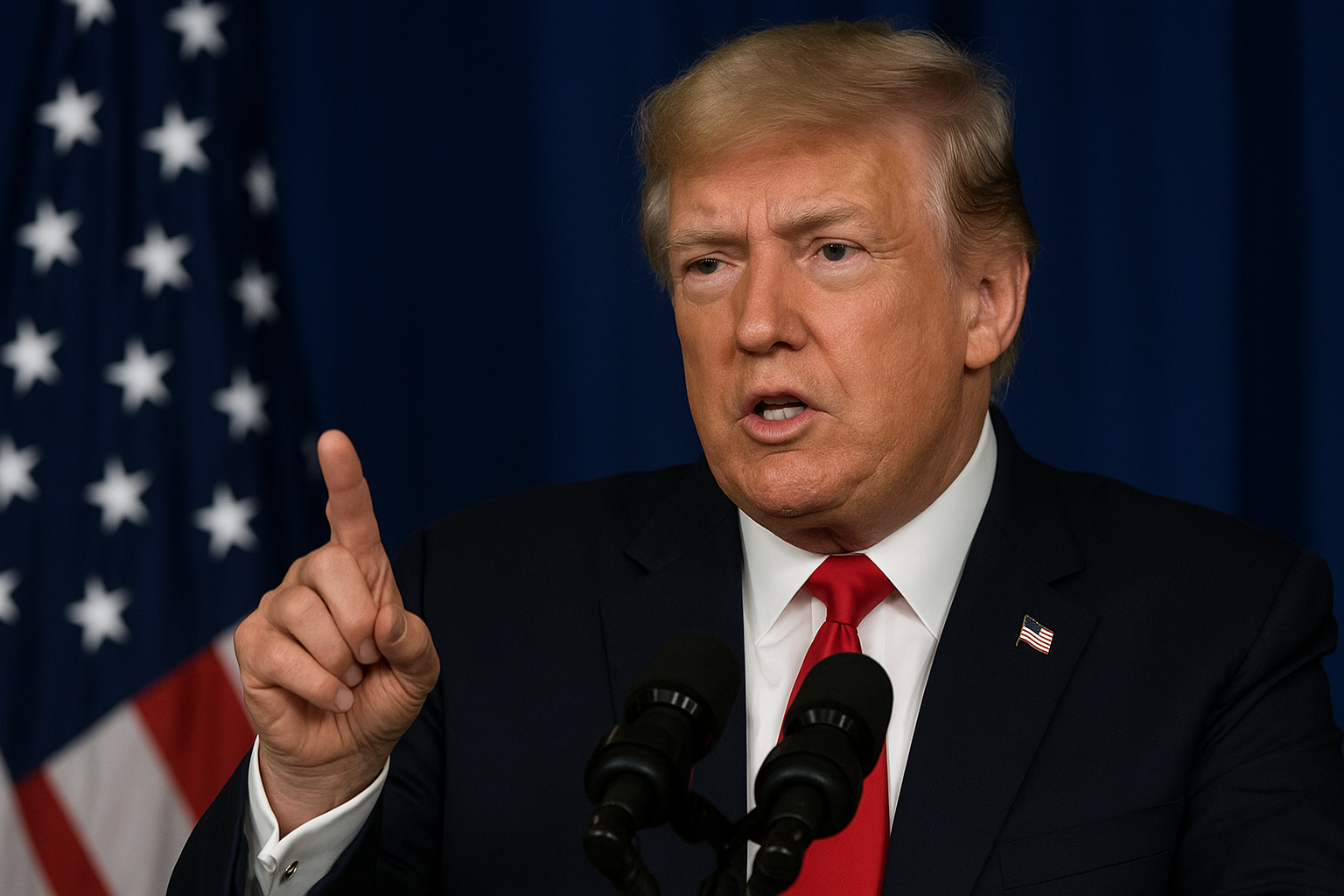
Former United States President Donald Trump has issued a sharp and direct warning to the governments of China and Russia, cautioning them against supplying advanced weaponry to Iran. In a strongly worded statement shared on his social media platform, Truth Social, the former leader argued that any such military transactions would run entirely contrary to the strategic interests of both Beijing and Moscow. This diplomatic intervention arrives at a particularly volatile moment in international relations, characterized by escalating hostilities in the Middle East and heightened friction between Washington and its primary global competitors.
The public caution from Washington’s former commander-in-chief underscores lingering anxieties regarding the depth of military cooperation among these three nations. While China and Russia have consistently maintained diplomatic and economic ties with Tehran, Western intelligence agencies remain intensely focused on the nature of their defense exchanges. Any escalation in the quality or quantity of arms flowing into the region could dramatically alter the strategic balance, threatening not only regional stability but also the physical safety of international personnel stationed throughout the area.
Investigating Intelligence Sharing and Targeting Assistance
The timing of this high-level political warning is far from accidental. It follows closely on the heels of concerning intelligence reports suggesting that American authorities are actively probing whether Russian and Chinese entities have been supplying critical targeting data to Iran. According to these emerging security assessments, such information could be directly facilitating a series of precision strikes directed at American military installations in the Middle East.
Protecting service members deployed overseas remains a paramount priority for defense officials. If foreign adversaries are found to be actively assisting in the targeting of United States assets, the geopolitical ramifications could be severe. Intelligence analysts are currently examining digital footprints, communication intercepts, and satellite data to determine the exact extent of foreign involvement in these attacks. The potential revelation that global superpowers are indirectly aiding assaults on American forces threatens to plunge already strained diplomatic relations to new depths.
Strategic Implications for Global Superpowers
For Beijing and Moscow, the calculus surrounding their relationships with Iran is becoming increasingly complex. Both capitals rely on Middle Eastern energy supplies and view Tehran as a crucial partner in their shared desire to challenge Western dominance in global governance. However, crossing the line into active military facilitation or large-scale arms proliferation carries significant risks. Western policymakers are actively discussing potential retaliatory measures, which could include severe economic sanctions, secondary penalties, and heightened diplomatic isolation.
The Economic and Diplomatic Costs
Engaging in illicit arms transfers or providing tactical targeting support to a sanctioned state like Iran invites swift punitive actions from the international community. China, whose economy remains heavily dependent on robust trade relationships with Western markets, has much to lose if trade barriers are erected in response to its foreign policy choices. Similarly, Russia, already grappling with extensive international sanctions stemming from its actions in Eastern Europe, must carefully evaluate whether deepening its military alignment with Tehran provides sufficient strategic value to outweigh the mounting diplomatic costs.
Furthermore, regional powers in the Middle East are watching these developments with cautious apprehension. Nations that have recently pursued diplomatic rapprochement are acutely aware that an influx of advanced weaponry could trigger a renewed arms race, destabilizing local commerce and security frameworks. The collective international pressure on Beijing and Moscow to exercise restraint is mounting from multiple directions, transforming this issue into a critical test of global diplomacy.
Conclusion
As investigations into potential targeting assistance continue and geopolitical friction intensifies, the international community faces a delicate balancing act. Donald Trump’s recent statements highlight the persistent bipartisan consensus in Washington regarding the threats posed by unauthorized arms proliferation and foreign interference in Middle Eastern conflicts. Whether Beijing and Moscow choose to heed these warnings or continue their current trajectory remains to be seen. What is certain, however, is that the eyes of global intelligence agencies are firmly fixed on these interactions, and any miscalculation could trigger profound consequences for international security.
Frequently Asked Questions
Why did Donald Trump issue a warning to China and Russia?
The warning was issued in response to growing concerns and ongoing investigations regarding potential arms sales and targeting assistance provided to Iran, which could jeopardize American military personnel in the Middle East.
What specific actions are intelligence agencies investigating?
United States authorities are currently probing whether Moscow and Beijing are supplying critical targeting data to Iran following a series of hostile strikes against American military bases.
How might China and Russia respond to these diplomatic pressures?
Both nations must weigh the strategic benefits of their alliance with Tehran against the severe economic sanctions and diplomatic isolation that could result from violating international arms control norms.
