Geopolitical Tensions Rise Over Potential Arms Deals
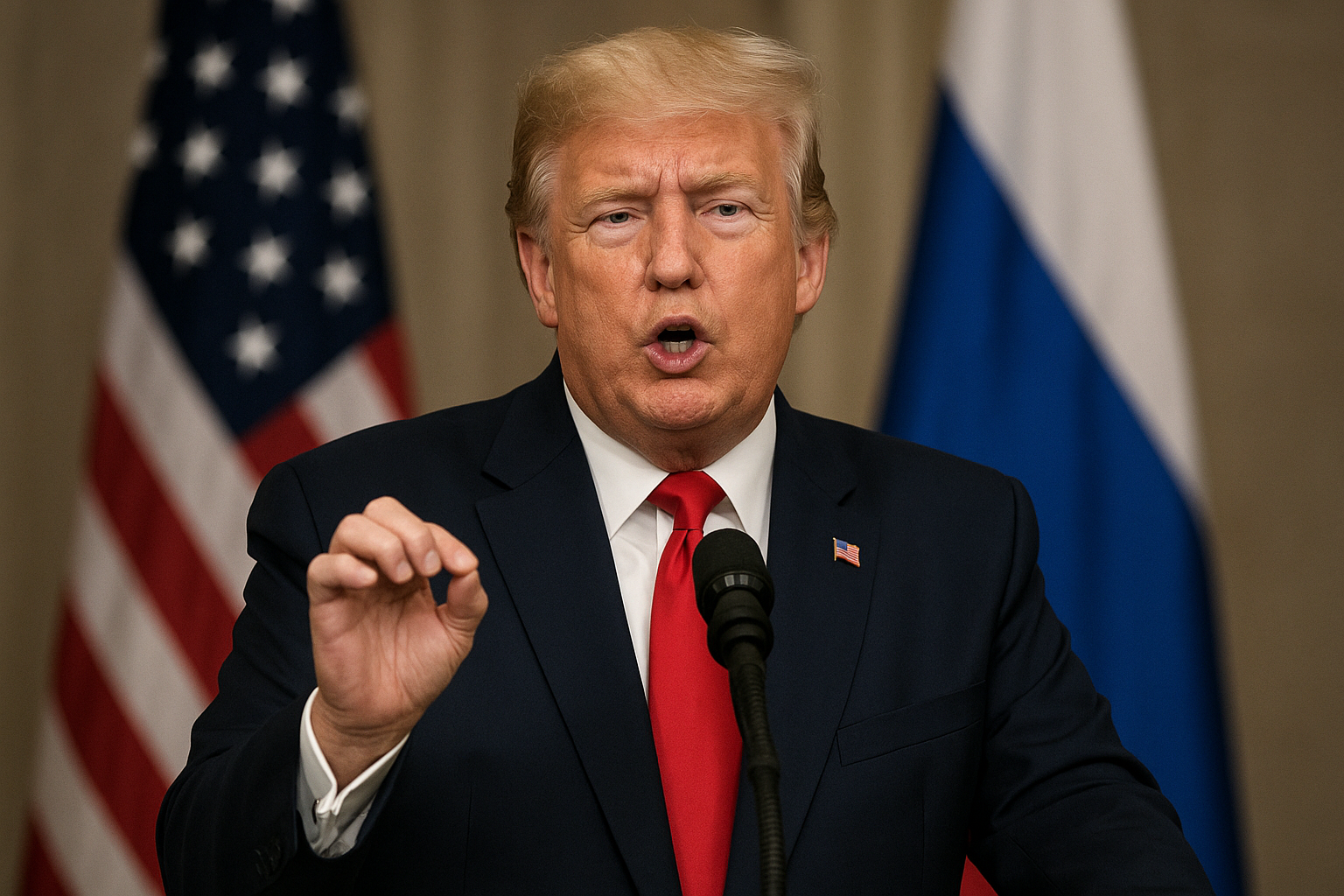
In a recent digital statement that has sent ripples through diplomatic channels, former United States President Donald Trump issued a blunt advisory to Beijing and Moscow. Addressing the global community via his proprietary social media platform, Trump cautioned both Eastern superpowers against supplying advanced weaponry or military hardware to Tehran. The warning arrives at a precarious moment in international relations, characterized by escalating hostilities in the Middle East and heightened scrutiny over covert geopolitical alliances.
The public caution underscores deep-seated concerns within Western defense establishments regarding the deepening cooperation between Iran, Russia, and China. As traditional alliances shift and economic ties strengthen in the face of international sanctions, Western intelligence agencies are increasingly watchful of military technology transfers that could fundamentally alter the regional balance of power.
Intelligence Reports Spark Security Concerns
The catalyst for Trump’s recent pronouncement stems from deeply troubling intelligence findings currently being examined by Washington officials. According to multiple reports, American defense and security agencies are actively investigating whether Russian and Chinese operatives have been actively supplying crucial targeting data to Iranian military proxies. These allegations suggest a level of tactical assistance that goes far beyond conventional diplomatic backing or economic trade.
The suspected intelligence-sharing operations are believed to be directly linked to a troubling series of coordinated assaults targeting American military outposts stationed throughout the region. For months, Washington has grappled with persistent drone and rocket attacks directed at its personnel and facilities. If investigations confirm that foreign intelligence has been funneling precise coordinates to hostile actors, the geopolitical ramifications could be severe, prompting renewed calls for punitive diplomatic measures and economic sanctions against the participating nations.
The Strategic Triangle of Tehran, Beijing, and Moscow
To fully grasp the gravity of the current situation, one must examine the broader strategic alignment developing between Iran, China, and Russia. Isolated to varying degrees by Western sanctions and geopolitical maneuvers, these three nations have steadily forged a pragmatic partnership. Moscow, deeply engaged in its protracted conflict in Eastern Europe, has increasingly looked toward Tehran for drone technology and military hardware. In return, Russian military cooperation and technological assistance to Iran have seen a notable upward trajectory.
Meanwhile, Beijing remains a vital economic lifeline for Tehran, purchasing the vast majority of its sanctioned oil exports. While China historically prefers a delicate balancing act in Middle Eastern affairs to protect its massive energy imports, its deepening strategic partnership with Russia naturally draws it into closer alignment with anti-Western coalitions. Defense analysts warn that this converging set of interests creates a dangerous environment where regional conflicts can easily escalate into broader international crises through proxy warfare and advanced technology sharing.
Washington’s Dilemma and Future Policy Implications
The unfolding scenario presents a formidable challenge for American foreign policy planners. Deterring two nuclear-armed global superpowers from engaging in lucrative or strategically advantageous defense trade with a heavily sanctioned state requires a delicate blend of economic pressure, diplomatic outreach, and credible military deterrence. Trump’s rhetoric reflects a hardline faction within American politics that advocates for immediate, uncompromising responses to any nation perceived as enabling attacks against United States service members.
As the administration in Washington reviews the ongoing intelligence assessments regarding targeting data and military support, lawmakers from both sides of the aisle are demanding greater transparency and a more aggressive containment strategy. The outcome of these investigations will likely shape international relations for the foreseeable future, testing the limits of global diplomacy in an increasingly multipolar and fractured world.
Conclusion
The stern warning issued by Donald Trump highlights the precarious nature of contemporary global security, where regional conflicts in the Middle East are inextricably linked to great power competition between Washington, Beijing, and Moscow. As investigations into suspected military and intelligence cooperation continue, the international community faces a critical juncture. Maintaining stability will require unprecedented diplomatic vigilance to prevent technological proliferation that empowers hostile actors and threatens global peace.
Frequently Asked Questions
What prompted the recent warning from Donald Trump?
The warning was issued following troubling intelligence reports indicating that Washington is investigating whether Russia and Beijing are supplying targeting data to Iran following attacks on US bases.
Why are China and Russia cooperating with Iran?
All three nations share a common interest in countering Western influence, circumventing international sanctions, and securing economic and strategic partnerships.
How are US military bases being affected?
American military outposts in the region have faced a series of drone and rocket strikes, which intelligence officials suspect may have been facilitated by foreign intelligence assistance.
