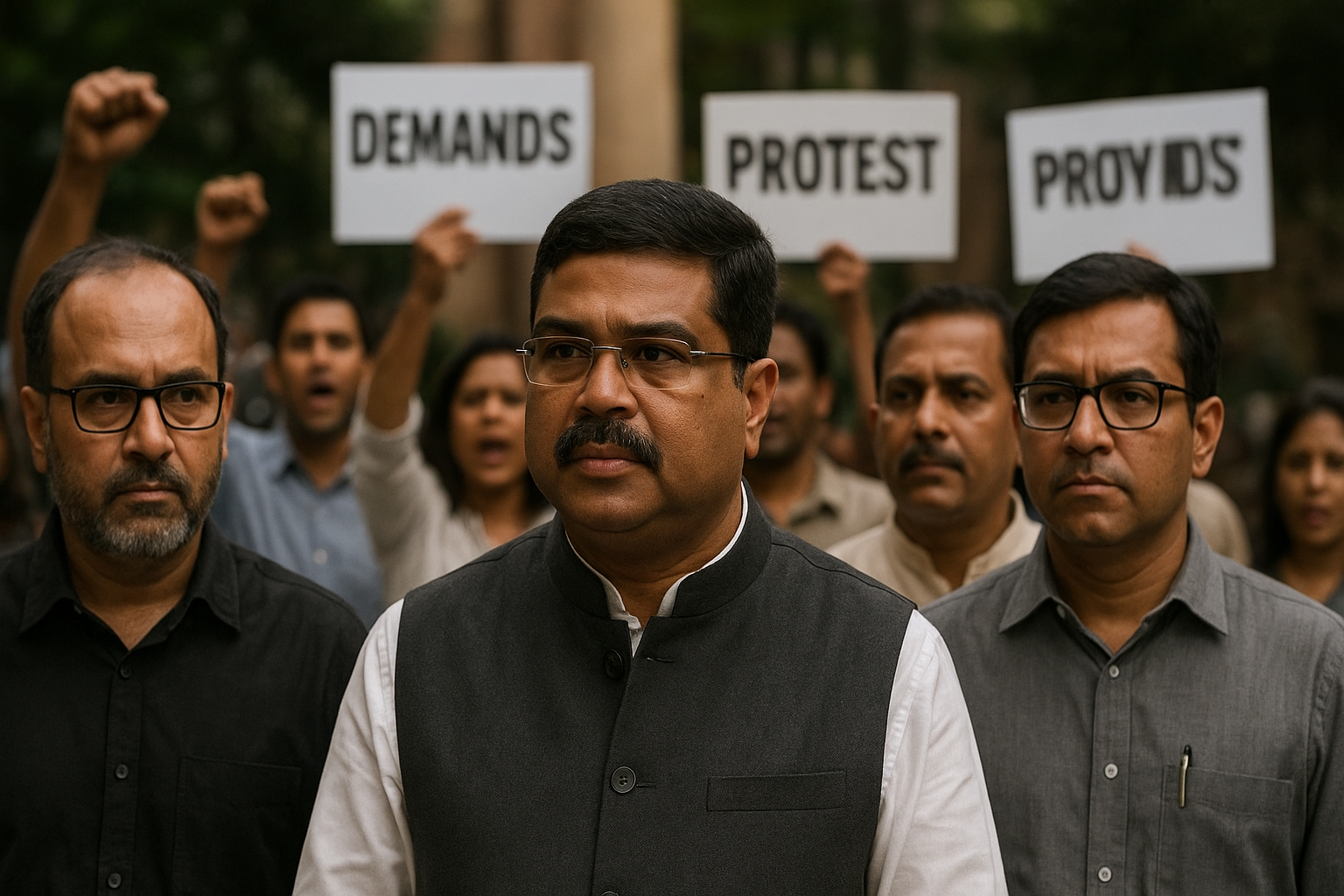
Political Shift After High-Stakes Demonstrations
The political landscape experienced a significant transformation this evening as a high-profile cabinet resignation was officially announced during a joint press briefing. The departure of the Union Education Minister marks a major turning point in a prolonged period of civic unrest that had gripped the nation. Protesters led by the Coalition for Justice and Progress had vowed to maintain their agitation until their primary grievances were formally addressed by the highest authorities in the administration.
Political analysts have noted that this sudden political development highlights the mounting pressure faced by governing officials as civic groups organize large-scale resistance. The demonstrations, which saw widespread participation from students, educators, and activists, targeted various institutional shortcomings and called for immediate accountability at the ministerial level.
The Core Grievance and Immediate Aftermath
At the center of the movement was the demand for accountability within the education sector. Critics had long argued that systemic reforms were necessary to address deep-seated issues plaguing academic institutions nationwide. The resignation of the senior minister was explicitly cited by movement leaders as the indispensable first step toward meaningful dialogue and institutional reconciliation.
During the joint media appearance, representatives from both the administration and the protesting faction outlined the parameters of the newly reached accord. Government officials expressed a commitment to reviewing existing policies and implementing constructive feedback gathered from various stakeholder groups over the past several weeks.
Comprehensive Policy Overhauls Ahead
Beyond the ministerial departure, the administration has agreed to a series of supplementary concessions aimed at restructuring regulatory frameworks within public universities and educational boards. These changes are expected to foster greater transparency, reduce bureaucratic red tape, and ensure that student welfare remains a paramount priority for policymakers.
Stakeholders across the country have reacted with cautious optimism. While many view the ministerial exit as a historic victory for grassroots organizing, educators emphasize that the real test will lie in the effective execution of the promised reforms.
Implementation Timeline and Next Steps
Detailed roadmaps for the proposed institutional changes are slated to be released in the coming days. A special oversight committee comprising academic experts, student delegates, and government liaisons will be established to monitor progress and guarantee accountability at every stage of the transition.
Public sentiment remains closely attuned to these developments, as citizens and scholars alike wait to see whether this high-level political restructuring will deliver the enduring educational improvements they have long demanded.
Conclusion
The recent resignation of the Union Education Minister and the subsequent resolution of the widespread demonstrations represent a critical juncture for the nation’s governance and educational framework. By conceding to the core demands of the Coalition for Justice and Progress, the administration has demonstrated a willingness to engage with public dissent and pursue necessary reforms. Moving forward, the successful implementation of these agreed-upon measures will determine whether this political compromise translates into genuine, long-lasting institutional progress for students and educators alike.
Frequently Asked Questions
Why did the Union Education Minister resign?
The minister stepped down following intensive pressure and sustained demonstrations led by the Coalition for Justice and Progress, which demanded accountability and major institutional reforms within the education sector.
What were the main demands of the protesting coalition?
The primary demand was the resignation of the education minister, alongside systemic policy overhauls to improve transparency, governance, and student welfare across national academic institutions.
What happens next following the agreement?
A joint oversight committee consisting of academic experts, student delegates, and government officials will be formed to monitor the implementation of the newly promised educational reforms.
