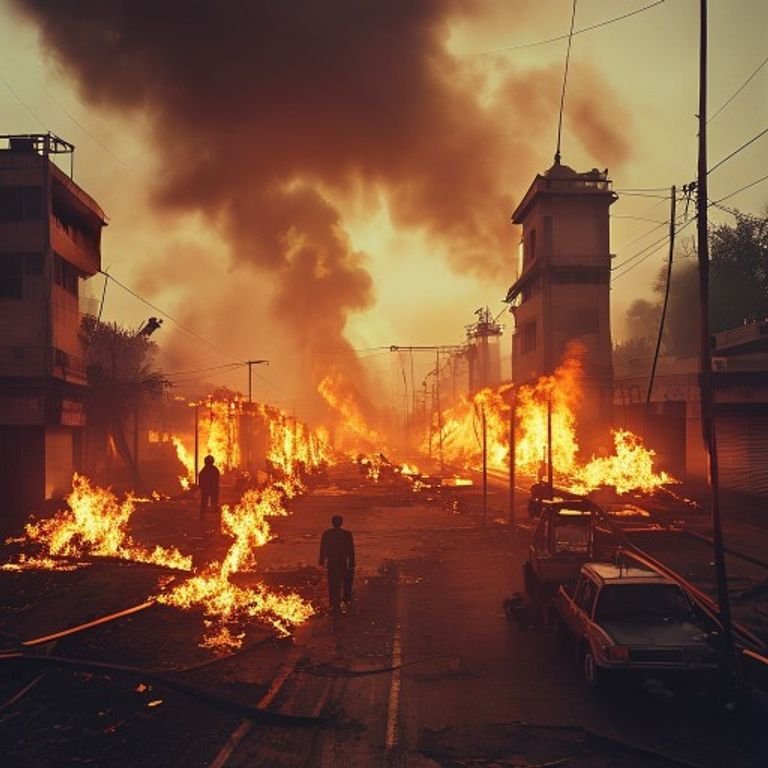
Introduction to the Palam Fire Probe
A comprehensive investigation into the devastating Palam fire, which claimed nine lives, has brought to light alarming systemic failures. The official inquiry has laid bare critical shortcomings across multiple departments, pointing to municipal oversight lapses, widespread unauthorized commercial activities, and dangerous infrastructure hazards that severely hindered emergency response efforts.
Major Findings of the Investigation
Municipal Enforcement and Commercial Violations
The inquiry report into the Palam fire incident highlighted profound enforcement failures by the Municipal Corporation of Delhi (MCD). Investigators discovered that unauthorized commercial use of residential or non-compliant spaces was rampant in the area. Such illegal commercial operations bypass mandatory safety regulations, creating hazardous environments for residents and workers alike.
Infrastructure and Obstruction Hazards
Among the most critical physical barriers noted in the probe were illegal overhead cables crisscrossing the locality. These unauthorized wires formed a dense web that physically blocked rescue operations. Furthermore, the operational failure of a skylift severely restricted the ability of emergency personnel to reach trapped victims on upper floors, directly contributing to the tragic death toll of 9 individuals.
Delhi Fire Services Deficiencies
Staffing Shortages and Vacancies
The investigation scrutinized the internal readiness of the emergency response machinery, revealing that the Delhi Fire Services is grappling with an immense staffing crisis. Specifically, the inquiry documented a staggering 853 vacancies in the Delhi Fire Services, severely compromising the department’s ability to respond swiftly and efficiently to major incidents across the capital.
Training and Equipment Gaps
Beyond manpower shortages, the probe identified serious gaps in technical equipment and specialized training. Modern firefighting and rescue missions require reliable gear, functional machinery, and continuous technical skill development. The failure of critical assets like the skylift during a high-stakes emergency underscores the urgent need for infrastructural upgrades and comprehensive training protocols within the service.
Broader Implications for Urban Safety
The findings from the Palam fire inquiry serve as a grim reminder of the dangers posed by unmonitored urban growth, lax municipal enforcement, and underfunded emergency services. The combination of illegal overhead wiring, compromised access routes, and severe departmental vacancies creates a recipe for disaster in densely populated urban zones. Addressing these multi-faceted vulnerabilities is essential to prevent future tragedies and ensure the safety of citizens.
Conclusion
The official probe into the Palam fire that resulted in 9 fatalities has exposed deep-rooted institutional and structural flaws. From MCD enforcement failures and illegal commercial spaces to hazardous overhead cables, a failing skylift, and 853 vacancies in the Delhi Fire Services accompanied by severe training gaps, the path forward demands immediate corrective action. Remedying these systemic issues is paramount for restoring public trust and safeguarding urban communities.
Frequently Asked Questions
How many people died in the Palam fire?
A total of 9 individuals lost their lives in the tragic incident.
What were the main reasons for rescue delays highlighted in the probe?
The inquiry flagged the failure of a skylift, obstruction caused by illegal overhead cables, and serious equipment and technical training gaps.
What staffing issues were identified in the Delhi Fire Services?
The investigation revealed that there are 853 vacancies in the Delhi Fire Services.
