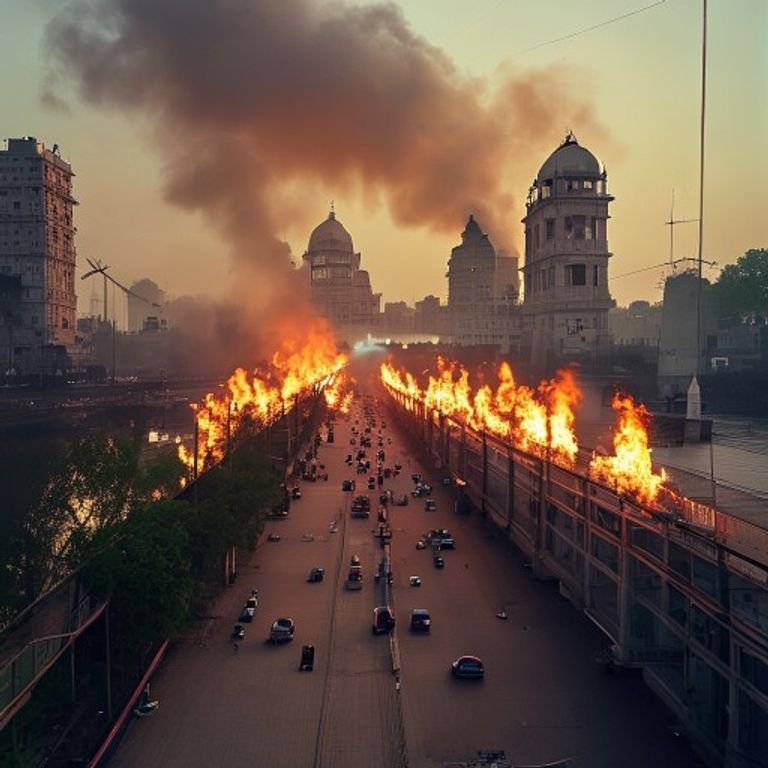
Introduction to the Palam Fire Inquiry Findings
A comprehensive official investigation into the tragic Palam fire incident, which resulted in the loss of 9 lives, has exposed severe systemic failures, administrative shortcomings, and critical equipment deficiencies. The inquiry report has brought to light alarming lapses involving the Municipal Corporation of Delhi (MCD), widespread unauthorized commercial activities in residential zones, dangerous tangles of illegal overhead cables obstructing emergency responses, and substantial staffing shortages within the Delhi Fire Services. Furthermore, the probe highlighted serious gaps regarding specialized equipment availability and technical training for emergency responders.
Major Administrative and Enforcement Failures
MCD Enforcement Lapses
The investigation heavily criticized the Municipal Corporation of Delhi for failing to enforce building bylaws and safety regulations. According to the inquiry findings, lax oversight by the local authorities allowed safety violations to go unchecked, directly contributing to the hazardous environment where the fatal fire occurred. The lack of proactive enforcement by MCD officials enabled unauthorized structures and illegal commercial operations to flourish in areas not zoned for business activities.
Unauthorised Commercial Use
One of the primary factors highlighted in the probe is the rampant unauthorised commercial use of premises within the affected area. Operating commercial ventures in residential or mixed-use zones without adherence to fire safety norms creates extreme hazards for occupants and neighbors alike. These unauthorized establishments typically lack mandatory fire escape routes, proper ventilation, fire extinguishers, and emergency exit signage, compounding the danger when disasters strike.
Infrastructure and Emergency Response Obstacles
Illegal Overhead Cables Blocking Rescuers
A critical revelation from the Palam fire inquiry was the severe impediment caused by illegal overhead cables. The dense webs of unauthorized wires and cables stretched across streets and buildings not only posed an independent electrical hazard but physically blocked rescue operations. During the emergency, the skylift deployed by rescue teams failed to operate effectively because these obstructing cables restricted movement and delayed vital access to trapped victims.
Skylift Failures and Equipment Shortages
The operational capability of emergency responders was severely compromised during the incident. The probe documented that the skylift failed to perform its intended rescue function, hampering efforts to reach individuals trapped in upper levels. In addition to mechanical or logistical issues with specific machinery, the investigation underscored serious overarching gaps in essential equipment necessary for modern urban firefighting and high-rise rescues.
Delhi Fire Services Staffing and Training Deficiencies
Severe Staffing Shortages
The inquiry shed light on the chronic human resource crisis plaguing the Delhi Fire Services, pointing specifically to 853 vacant positions within the organization. Operating with a severely depleted workforce places an unsustainable burden on existing personnel, leading to delayed response times, fatigue, and compromised operational efficiency during major emergencies. Addressing these vacancies is considered a critical step in reforming emergency preparedness across the capital.
Gaps in Technical Training
Beyond equipment and manpower deficits, the investigation identified serious shortcomings in the technical training provided to fire personnel. Modern firefighting and rescue operations in densely populated urban environments require specialized skills, advanced tactical knowledge, and regular simulation exercises. The identified training gaps hinder the ability of personnel to handle complex emergencies, operate sophisticated machinery efficiently, and execute high-risk rescues safely.
Broader Implications and Public Safety Impact
The findings of the Palam fire probe serve as a stark reminder of the deadly consequences of regulatory negligence and infrastructural decay. The tragedy underscores the urgent need for strict municipal oversight, rigorous enforcement against illegal commercial operations, and the systematic removal of hazardous overhead wiring across the city. Ensuring the safety of residents requires coordinated administrative action, comprehensive modernization of fire services, and accountability at all levels of local governance to prevent similar catastrophes in the future.
Conclusion
The official inquiry into the deadly Palam fire has laid bare a complex web of municipal failures, unauthorized commercial practices, infrastructural hazards, and institutional shortcomings within the Delhi Fire Services. With 9 lives lost, the findings demand immediate administrative and legislative reforms. By addressing staffing deficits, upgrading equipment, enforcing building codes, and clearing dangerous obstructions like illegal overhead cables, authorities can take crucial steps toward safeguarding urban communities.
Frequently Asked Questions
What were the main findings of the Palam fire inquiry?
The inquiry flagged MCD enforcement failures, unauthorized commercial activities, dangerous illegal overhead cables blocking rescue efforts, 853 vacancies in the Delhi Fire Services, and severe gaps in equipment and technical training.
How did overhead cables impact the rescue operation?
Illegal overhead cables blocked rescue efforts and interfered with the operation of the skylift, hindering emergency responders from reaching victims trapped during the fire.
What staffing issues were identified in the Delhi Fire Services?
The probe revealed that there are 853 vacant positions within the Delhi Fire Services, significantly impacting manpower and operational readiness.
