Understanding the European Regulatory Scrutiny
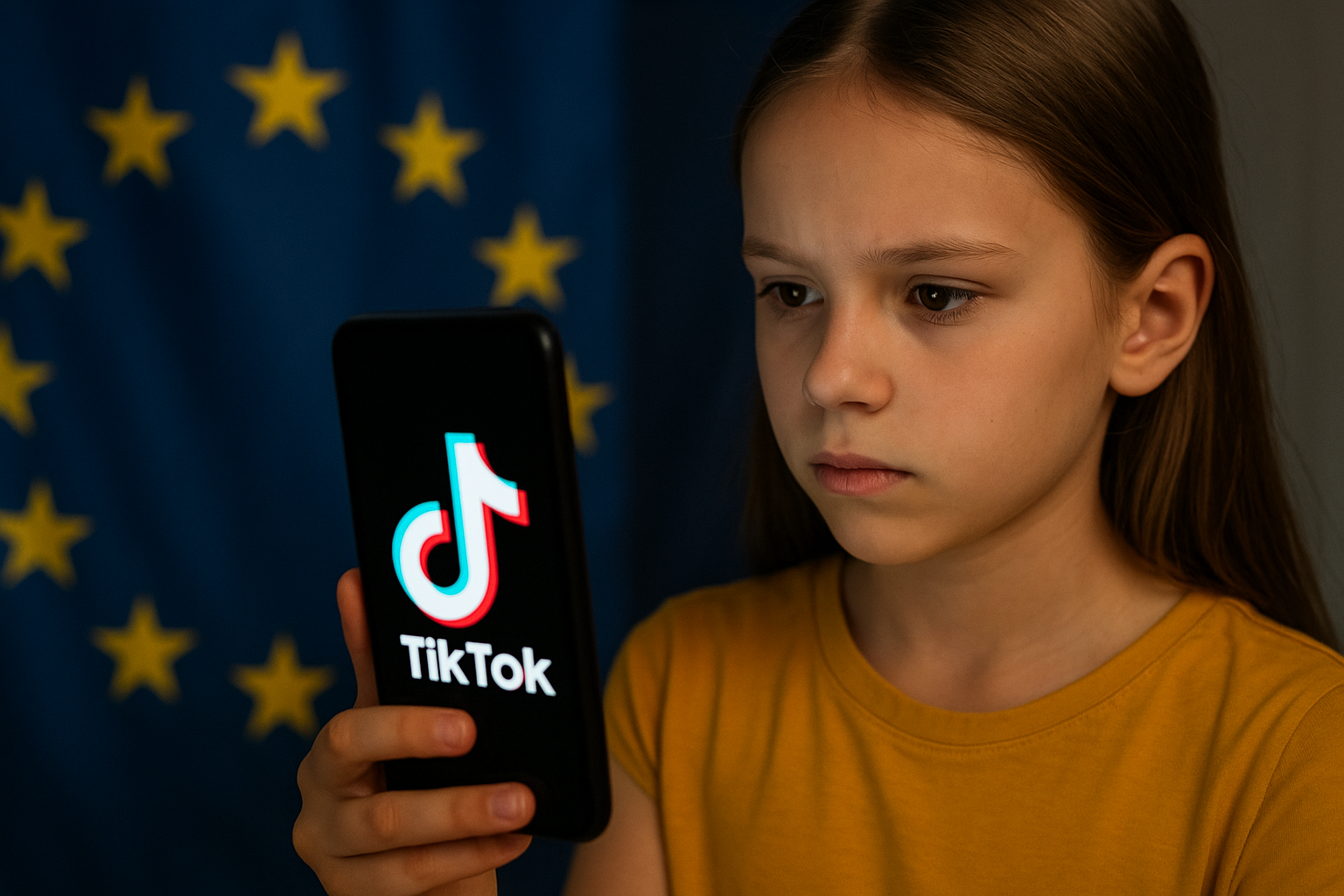
In the modern digital ecosystem, major technology platforms face unprecedented oversight from international regulators. Recently, the European Union has intensified its examination of major social media networks, directing particular attention toward platforms popular among younger demographics. Authorities within the bloc argue that current digital safeguards fall short of protecting vulnerable users, specifically minors who utilize these applications daily. This regulatory push highlights a growing consensus that platform operators must proactively shield teenagers from potential online harms.
The Core Regulatory Concerns
At the heart of the European investigation is the visibility of minor accounts across the platform. Regulatory bodies contend that standard default settings leave younger users far too exposed to the broader public. According to European standards, accounts belonging to individuals under the age of eighteen should inherently restrict visibility, ensuring that only pre-approved connections can view shared content. Currently, millions of teenagers aged thirteen and older access the service, creating a vast digital footprint that critics argue lacks adequate structural barriers against potential exploitation.
The Balance Between Innovation and Protection
As social media companies continue to expand their global reach, striking a balance between user engagement and safety remains a monumental challenge. Industry analysts suggest that enforcing stricter default privacy settings could fundamentally alter how younger audiences interact with digital content. However, consumer advocacy groups maintain that corporate profitability should never supersede the safety and psychological well-being of developing minds. The European Union’s stance signals a definitive shift toward mandatory compliance rather than voluntary industry guidelines.
Potential Consequences for the Platform
Failure to align with European regulatory frameworks can result in severe financial penalties and operational restrictions. If investigators determine that the platform has violated established digital safety laws, the parent company could face substantial fines calculated as a percentage of its global annual turnover. Beyond financial repercussions, such enforcement actions compel technology giants to overhaul their interface designs, algorithmic recommendations, and onboarding processes to comply with regional mandates.
Conclusion
The ongoing scrutiny from European regulators marks a critical turning point for the governance of digital platforms. As policymakers demand higher standards of accountability, technology companies must reevaluate their approach to youth safety. Protecting minors in virtual spaces is no longer an optional feature but a fundamental legal obligation that will shape the future of global internet regulation.
Frequently Asked Questions
What are the primary concerns raised by the European Union regarding TikTok?
The European Union is concerned that the platform exposes minors to online risks by failing to restrict account visibility properly, allowing accounts of users aged 13 and over to be easily viewed by the public.
What changes are regulators pushing for regarding minor accounts?
Regulators want minor accounts to be set to private by default, meaning they should only be visible to individuals whom the young user has explicitly approved.
What could happen if the platform fails to comply with EU regulations?
Non-compliance could result in substantial financial penalties and mandatory changes to the platform’s user interface and privacy settings within the European market.
