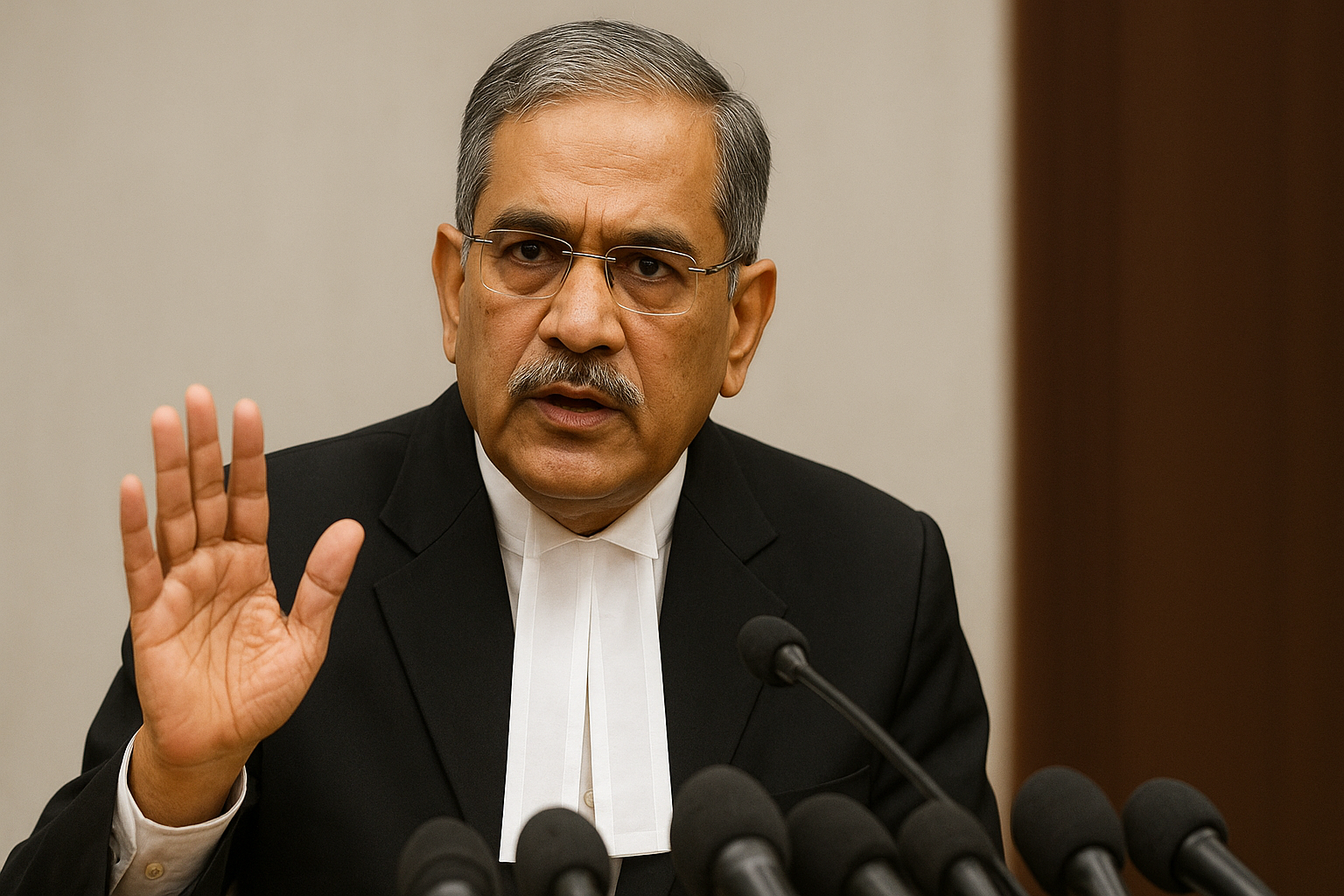
Understanding the Supreme Court Clarification
In a recent exclusive interaction with media outlets, Chief Justice Surya Kant addressed the widespread public discussion surrounding a controversial courtroom remark. The incident, which sparked intense debate across various news platforms and social media channels, centered around an alleged refusal by the nation’s highest judicial body to hear a specific legal petition. According to the top jurist, the media narrative that emerged following the hearing was fundamentally inaccurate and failed to capture the nuanced reality of judicial proceedings.
Legal observers and citizens alike had expressed concern over reports suggesting that the Supreme Court was turning away litigants or discouraging petitioners from seeking justice. However, the Chief Justice’s recent statements provide crucial context, emphasizing that the judiciary remains fully committed to its constitutional duty of hearing grievances while managing its overwhelming docket efficiently.
The Reality Behind the Courtroom Exchange
Courtrooms are high-pressure environments where complex legal battles unfold daily. Judges must balance the urgency of individual cases against the collective backlog of millions of pending matters nationwide. During the session in question, the bench made remarks directed at procedural efficiency rather than a blanket dismissal of the petitioner’s rights.
Managing Judicial Time and Resources
The judiciary faces an unprecedented volume of litigation. To ensure justice is delivered effectively, courts often urge lawyers to present concise arguments and avoid repetitive or premature filings. The Chief Justice highlighted that administrative efficiency is vital for maintaining a healthy justice delivery system. When remarks about wasting time are made, they are typically aimed at procedural shortcuts or unprepared filings, rather than a reluctance to adjudicate legitimate constitutional grievances.
Impact on Public Perception
Misinterpretations of judicial remarks can significantly impact public trust in legal institutions. When media reports suggest that the Supreme Court is unwilling to listen to citizens, it creates a chilling effect. Legal literacy plays a crucial role in preventing such misunderstandings. Experts argue that reporters covering the courts must possess a deep understanding of judicial terminology and the subtle distinctions between dismissing a case on merits versus pointing out procedural defects.
Broader Implications for the Legal System
This episode serves as a powerful reminder of the delicate relationship between the judiciary and the press. Transparent communication is essential for bridging the gap between complex legal mechanisms and public understanding. As the Supreme Court continues to navigate the challenges of modern litigation, fostering accurate reporting remains a top priority for legal administrators and journalists alike.
Conclusion
The clarification provided by Chief Justice Surya Kant sheds much-needed light on the realities of high-court administration. By dispelling the notion that the Supreme Court rejected a petition out of hand, the judiciary reaffirms its dedication to open justice. Moving forward, both media organizations and legal practitioners must strive for greater precision in reporting to ensure the public receives accurate, contextualized information regarding the nation’s highest court.
Frequently Asked Questions
Did the Supreme Court refuse to hear the petition?
No, the Chief Justice clarified that media reports claiming the court declined to hear the petition were entirely wrong and misrepresented the actual nature of the proceedings.
Why did the Chief Justice make the controversial remark?
The remark was intended to emphasize procedural efficiency and proper case preparation, helping the court manage its massive caseload effectively rather than dismissing a legitimate grievance.
How can media reports on court proceedings become more accurate?
Journalists covering the judiciary can improve accuracy by consulting legal experts, understanding procedural nuances, and avoiding sensationalized headlines based on brief oral observations from the bench.
