Understanding the Reality of Milk Adulteration
Milk is a dietary staple consumed daily by millions of households, making its purity and safety a matter of utmost public health importance. However, the integrity of the dairy supply chain has long been threatened by unscrupulous elements who compromise quality for financial gain. Adulterators frequently manufacture synthetic or fake milk by combining water, urea, and a variety of other inexpensive chemicals. While these components replicate the basic volume and chemical signatures needed to fool casual observers, they completely fail to mimic the natural texture, color, and foaming properties of authentic dairy. To deceive consumers and bypass standard visual checks, perpetrators resort to adding detergent to the mixture. This chemical additive helps recreate the rich, frothy appearance characteristic of genuine milk, completely masking the toxic concoction beneath a deceptive exterior.
Inside NDTV’s Investigation At Maharashtra Testing Lab
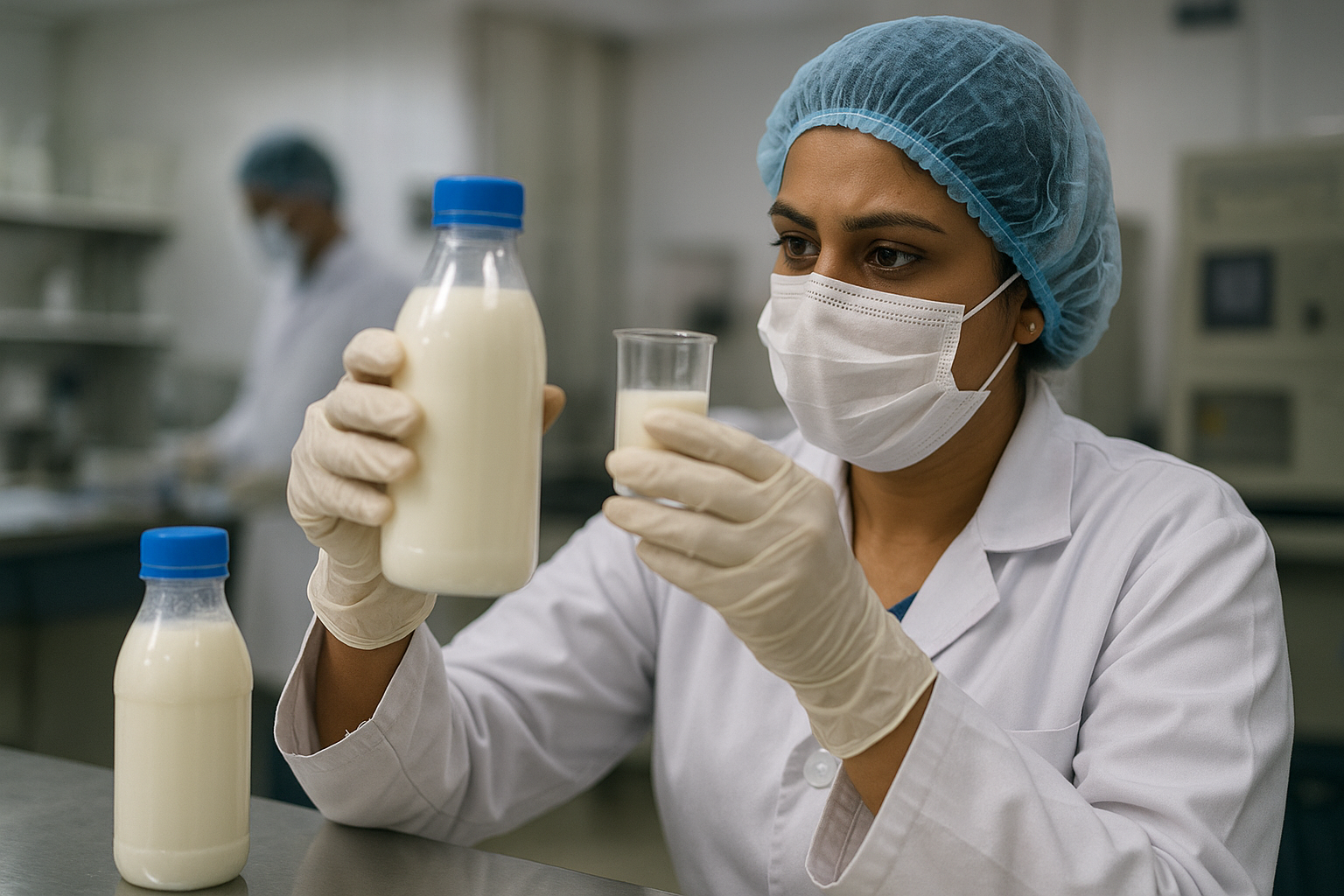
A revealing investigation conducted by NDTV shed light on this alarming practice by taking samples directly to a specialized testing facility located in the state of Maharashtra. The laboratory analysis provided concrete insights into the methods used by fraudsters to taint dairy products. By examining the chemical composition of suspected samples, experts demonstrated how easily everyday consumers can be deceived by artificially enhanced liquids. The findings from the Maharashtra testing lab underscored the pervasive nature of food fraud and highlighted the critical need for rigorous quality control measures across the entire production and distribution network.
How Synthetic Milk is Manufactured
The creation of fake milk involves a hazardous chemical cocktail designed to cheat basic dairy tests. Fraudsters typically start with a base of water, diluting the product to maximize profit margins. To artificially boost the reading on lactometers—devices used to measure milk density—they add substances like urea and other cheap chemicals. These agents adjust the specific gravity of the liquid to match the standards of pure dairy. Yet, these synthetic mixtures lack the essential fats and proteins found naturally, resulting in a thin, watery appearance that would immediately arouse suspicion. This is precisely why detergent is introduced into the formula, acting as an emulsifier that creates foam and restores the creamy visual appeal expected by buyers.
The Role of Detergent in Masking Impurities
Detergent plays a central role in the deception employed by milk adulterators. Beyond creating a convincing foam, it helps bind water and oil-based components together, preventing immediate separation and giving the fake mixture a deceptive consistency. Consuming products laced with cleaning agents and industrial chemicals poses severe health risks to the public, potentially damaging the digestive system and causing long-term organ complications. The investigative efforts in Maharashtra brought these hidden dangers to the forefront, reminding regulatory bodies and consumers alike of the persistent threats lurking within the food supply chain.
Public Health Implications and Safety Concerns
The presence of chemical additives such as urea and detergent in a daily essential like milk represents a grave violation of food safety standards. Vulnerable populations, including infants, children, and the elderly, are particularly at risk of suffering adverse health effects from consuming adulterated dairy. Regulatory authorities face an ongoing challenge in detecting and intercepting these fraudulent products before they reach retail markets. Enhanced surveillance, stricter laboratory testing protocols, and severe penalties for offenders are essential components in safeguarding public health and restoring consumer confidence in the dairy industry.
Conclusion
The investigation conducted by NDTV at the testing facility in Maharashtra serves as a stark reminder of the lengths to which adulterators will go to deceive the public. By exposing how detergent is utilized to mask synthetic milk, the report emphasizes the necessity for heightened vigilance among consumers and regulatory agencies alike. Ensuring the safety of dairy products requires continuous monitoring, transparent testing procedures, and uncompromising enforcement of food safety laws across Maharashtra and beyond.
FAQ 1
What ingredients are commonly used to prepare synthetic milk?
Adulterators typically prepare synthetic or fake milk by mixing water, urea, and other inexpensive chemicals.
FAQ 2
Why is detergent added to fake milk?
Detergent is added to recreate the appearance and foaming properties of real milk, effectively masking the presence of water and chemicals.
FAQ 3
Where did NDTV conduct its investigation into milk adulteration?
NDTV conducted its investigation at a testing lab located in Maharashtra.
