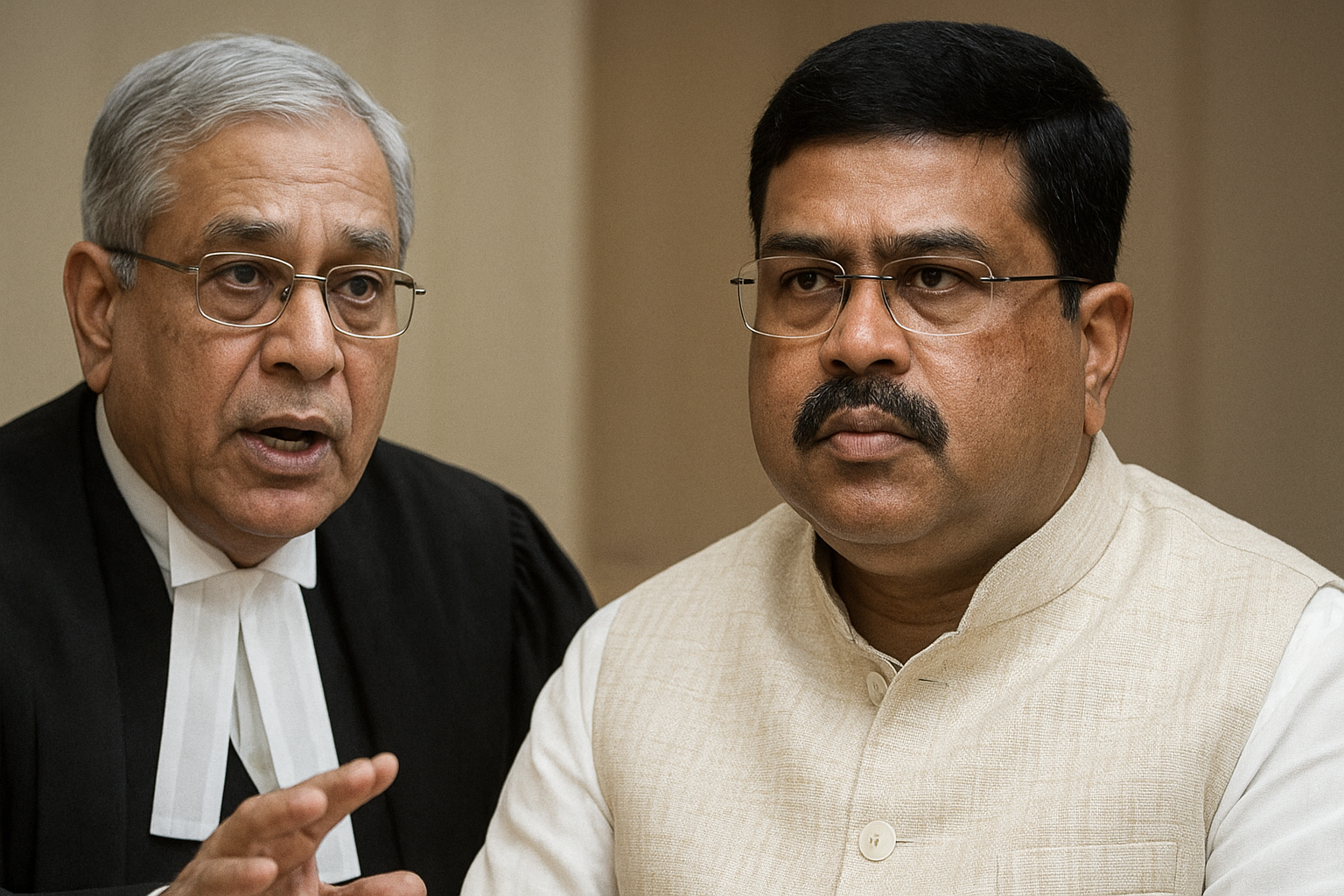
The Anatomy of a Political Deadlock
Recent developments in the capital have left political analysts and citizens alike scrambling to understand the sudden shifts within high-level governmental discussions. At the heart of these rumblings is an intense series of negotiations that brought central authorities and influential advocacy groups to the same table. According to insiders who spoke on the condition of anonymity, the atmosphere during these closed-door sessions was tense, marked by stark disagreements and unwavering stances from both sides.
The focal point of the friction appeared during a critical juncture of the dialogue, specifically in the second round of formal deliberations held at the end of the workweek. For months, underlying tensions had been brewing regarding policy execution and leadership accountability. However, the introduction of a strict timeline by key stakeholder representatives drastically accelerated the pace of events, turning a routine administrative dispute into a full-blown political crisis.
Inside the Closed-Door Discussions
Eyewitnesses and sources close to the delegations reported that the mood shifted dramatically when a seventy-two-hour deadline was formally tabled. This ultimatum was not merely a suggestion; it acted as a pressure cooker for an administration already navigating complex domestic challenges. The demand required immediate clarity and substantial concessions on matters that typically take weeks, if not months, of bureaucratic navigation to resolve.
While official spokespersons have maintained a veneer of diplomatic calm during public briefings, the backstage reality presented a starkly different picture. Key ministers and advisors reportedly entered emergency caucuses to weigh the implications of bowing to the pressure versus calling the bluff of the opposing faction. The stakes were undeniably high, as any misstep could lead to a cascading effect across various governmental portfolios.
Analyzing the Cabinet-Level Ripple Effects
One of the most immediate consequences of this heightened standoff was speculation surrounding key cabinet members, particularly Union Minister Dharmendra Pradhan. Known as a seasoned strategist within the ruling establishment, his sudden positioning at the center of these rumors has sparked intense media scrutiny. Observers are questioning whether the intense pressure exerted during the ministerial talks directly contributed to shifts in his operational responsibilities or strategic alignment.
While political transitions at this level are rarely attributed to a single event, the timing of these developments is too conspicuous to ignore. Rumors began circulating swiftly across news outlets and social media platforms, suggesting that the rigid timeline imposed by the opposing negotiators forced a reevaluation of key cabinet roles. Whether this constitutes a strategic repositioning or a direct casualty of high-stakes bargaining remains a subject of heated debate among political pundits.
Broader Implications for Governance
This episode highlights a growing trend in modern governance where external pressure groups and non-governmental entities leverage strict ultimatums to force governmental action. When traditional legislative channels become bogged down by bureaucracy, aggressive timelines often emerge as a tool for advocacy organizations to fast-track their agendas. However, this tactic risks destabilizing internal administrative harmony and placing undue stress on key ministers.
Furthermore, the fallout from such confrontations often extends beyond immediate policy changes, altering the internal dynamics of ruling coalitions. As the dust settles from the recent round of negotiations, the central administration faces the ongoing challenge of maintaining authority while simultaneously addressing the legitimate grievances raised by organized pressure groups.
Conclusion
The recent high-stakes confrontations in New Delhi underscore the delicate balance between state authority and persistent advocacy. While the full extent of the fallout remains to be seen, the events serve as a stark reminder of how quickly political landscapes can shift under intense pressure. As the administration works to steady the ship, future negotiations will likely be viewed through a much sharper lens by both the public and political observers.
Frequently Asked Questions
What sparked the recent political rumors in New Delhi?
The rumors were primarily triggered by intense negotiations between central authorities and representative groups, highlighted by a strict seventy-two-hour deadline that ratcheted up political pressure.
How did the central administration respond to the pressure?
Key ministers held emergency caucuses behind closed doors to evaluate their options, balancing the need for administrative stability against the demands of the opposing faction.
Why is Dharmendra Pradhan associated with these developments?
As a prominent cabinet minister, speculation arose regarding his strategic positioning and future role following the intense policy disputes and high-stakes bargaining sessions.
