Escalating Maritime Conflict in the Middle East
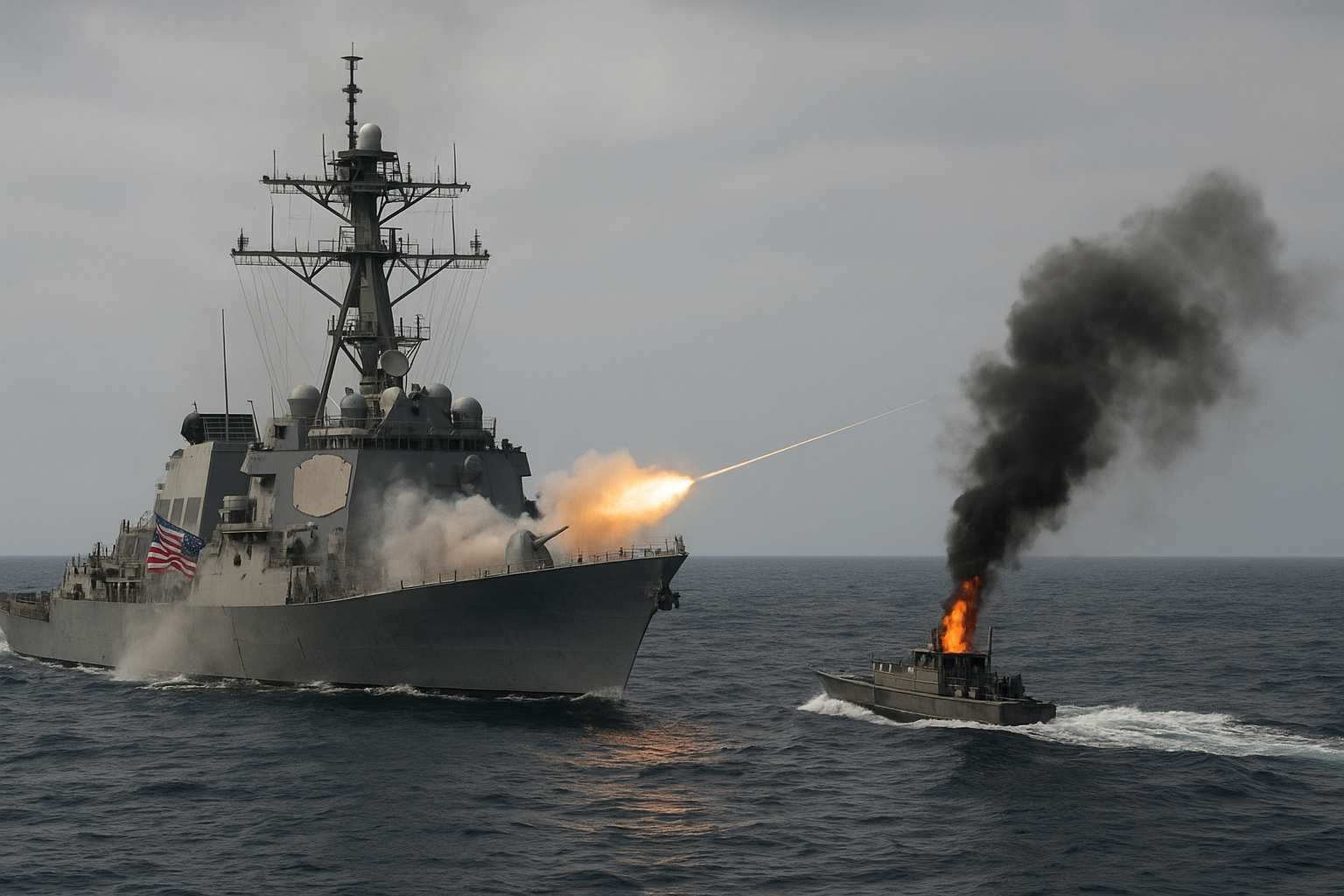
Recent developments in the Persian Gulf have brought international shipping lanes into the direct line of fire. United States military forces reported engaging a commercial vessel attempting to bypass the naval restrictions currently enforced around Iranian ports. This high-stakes maritime confrontation underscores the rapidly deteriorating security landscape in one of the world’s most vital energy corridors.
Defense officials confirmed that the incident occurred under volatile conditions, highlighting the constant threat faced by coalition forces operating in the region. The attempt to breach the naval perimeter triggered an immediate tactical response from American assets stationed nearby, resulting in shots being fired to halt the advancing ship.
Retaliatory Strikes Target American Strongholds
As the naval standoff unfolded at sea, the fallout quickly extended to land-based positions. Reports indicate that regional actors loyal to the Islamic Republic launched coordinated operations directed at American military installations situated throughout the Persian Gulf. These defensive and offensive maneuvers illustrate a dangerous tit-for-tat cycle that threatens to engulf neighboring nations in a broader conflict.
Military analysts note that targeting regional strongholds represents a significant escalation in tactics. For weeks, diplomatic channels have struggled to contain the fallout from the enforced maritime restrictions, but incidents involving direct kinetic exchanges are pushing both sides closer to an open confrontation.
Impact on Global Shipping and Oil Markets
The tightening grip on maritime traffic in the region has sent shockwaves through international trade networks. Commercial shipping companies are rapidly reassessing their routes to avoid the volatile Persian Gulf. The presence of active naval blockades and subsequent military engagements makes transit through the Strait of Hormuz increasingly perilous for cargo and oil tankers alike.
Energy markets have reacted nervously to the unfolding crisis. Given that a substantial portion of the world’s petroleum supply travels through these contested waters, any disruption to navigation immediately translates to fluctuating global energy prices. Industry leaders are urging restraint from all involved parties to prevent a catastrophic blockage of global commerce.
Strategic Implications for Regional Security
The ongoing enforcement of the naval blockade requires a massive resource commitment from the United States and its allies. Maintaining a secure perimeter while simultaneously defending against asymmetric threats demands constant vigilance. Military strategists are currently evaluating how to secure these critical waterways without triggering a full-scale regional war.
Diplomats continue to work behind the scenes to de-escalate the situation, though the window for peaceful resolution is narrowing. With commercial vessels caught in the crossfire and military installations facing persistent threats, the margin for error has vanished.
Conclusion
The recent engagement of a merchant vessel attempting to bypass naval restrictions, coupled with retaliatory strikes on regional strongholds, marks a critical turning point in the Persian Gulf crisis. As military forces remain on high alert and global markets react to the maritime instability, the international community faces an urgent imperative to restore diplomatic engagement and secure vital commercial waterways before the situation deteriorates further.
Frequently Asked Questions
Why did the US military fire on the merchant vessel?
American forces fired on the commercial ship after it attempted to breach the naval blockade established around Iranian ports, posing a security risk to the enforced maritime perimeter.
How have regional actors responded to the maritime enforcement?
In reaction to the naval operations, forces aligned with the Islamic Republic targeted various American military installations and strongholds located throughout the Persian Gulf.
What are the implications for global oil markets?
The escalating conflict in these vital shipping lanes threatens international commerce and the flow of petroleum through the Strait of Hormuz, leading to increased volatility in global energy prices.
