Understanding the Monsoon Emergency in Western India
The western state of Gujarat is currently grappling with a severe environmental emergency as relentless monsoon downpours have triggered widespread inundation. Authorities and disaster response teams have been working around the clock to address the escalating crisis. According to the latest administrative updates, more than twenty-two thousand individuals have been successfully relocated to safer zones, while over one thousand stranded residents have been pulled from perilous, waterlogged environments.
The extreme weather events, which began intensifying mid-week, have crippled daily routines, halted transportation networks, and submerged residential neighborhoods. Meteorological departments point to persistent cloud cover and heavy atmospheric pressure systems as the primary drivers behind the unending rainfall. As river levels continue to rise dangerously close to overflow marks, civic bodies remain on high alert.
Hardest Hit Regions and Districts
While the heavy precipitation has impacted multiple regions across the state, certain districts have borne the brunt of the fury. Navsari and Valsad emerged as the most severely damaged zones, where overflowing water bodies breached embankments and flooded low-lying streets. Local authorities in these areas reported extensive property damage and severe disruptions to essential services.
Following closely behind, the districts of Surat, Ahmedabad, Kheda, Tapi, and the hilly terrain of Dangs experienced similar crippling conditions. Urban centers like Ahmedabad faced massive traffic gridlocks as major thoroughfares transformed into temporary waterways, halting public transport and forcing businesses to shut their doors temporarily. Rural sectors, particularly agricultural belts, have also suffered immensely, with vast expanses of standing crops submerged under feet of muddy water.
Mobilization of Relief and Rescue Operations
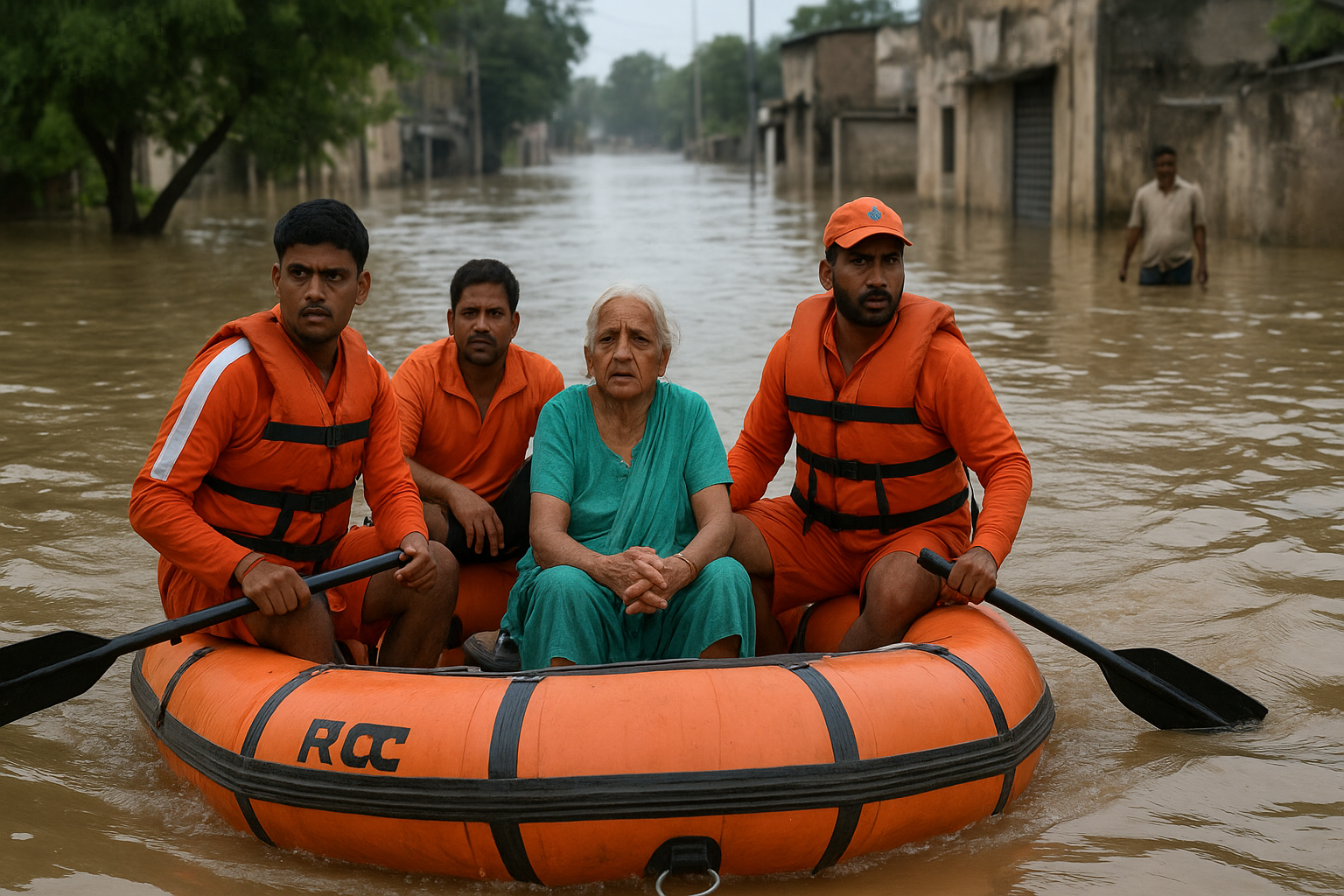
In response to the escalating peril, state and national disaster management frameworks swung into action immediately. Specialized rescue units, equipped with rubber boats and advanced communication gear, were deployed to the worst-affected pockets. Personnel navigated through turbulent, fast-flowing currents to reach families trapped on rooftops and upper floors of inundated homes.
Shelter and Immediate Support for Evacuated Citizens
With thousands displaced from their dwellings, local administrations have set up temporary relief camps equipped with basic amenities. Medical teams are stationed at these shelters to provide immediate healthcare interventions, distribute necessary medications, and prevent potential waterborne illnesses. Food packets, clean drinking water, and dry clothing are continuously being distributed to alleviate the hardships faced by the displaced population.
State leadership has conducted aerial surveys to assess the true scale of the destruction and direct resources where they are most urgently required. Coordination between civil defense volunteers, police forces, and municipal workers has been vital in maintaining order and accelerating the evacuation procedures.
Conclusion
The severe weather crisis currently unfolding in Gujarat underscores the unpredictable nature of modern climatic patterns and the vital importance of disaster preparedness. While rescue operations have successfully safeguarded thousands of lives, the road to recovery for the affected districts will be long and challenging. Rebuilding damaged infrastructure, restoring agricultural livelihoods, and rehabilitating displaced families will require sustained efforts from both regional and national authorities in the coming weeks and months.
Frequently Asked Questions
What triggered the severe inundation in Gujarat?
The severe situation was triggered by persistent, heavy monsoon downpours that began mid-week, causing rivers to swell and overwhelming local drainage systems across multiple districts.
Which districts were impacted the most by the downpour?
Navsari and Valsad experienced the most severe damage, followed closely by Surat, Ahmedabad, Kheda, Tapi, and Dangs.
How many people have been evacuated or rescued so far?
Authorities have successfully relocated more than 22,000 individuals to safer locations and rescued over 1,200 people stranded by the rising waters.
