Understanding the Monsoon Deluge in Western India
Western India has found itself in the grip of a severe weather crisis as relentless monsoon downpours trigger widespread waterlogging and river overflows. The state of Gujarat has borne the brunt of this meteorological onslaught, leading to massive disruptions in daily life, commerce, and transportation. Emergency response teams have been working around the clock to secure vulnerable populations, moving tens of thousands of residents out of harm’s way as rivers swell beyond danger marks.
The meteorological department notes that persistent cloudburst-like activity has concentrated heavily over the southern and central belts of the region. Low-lying neighborhoods transformed into temporary lakes almost overnight, trapping families inside their homes and cutting off vital supply routes. Local authorities have mobilized state and national disaster management frameworks to tackle the escalating emergency.
Hardest Hit Districts and Urban Centers
While the heavy rainfall pattern battered multiple zones, certain areas emerged as critical disaster hotspots. Navsari and Valsad recorded some of the highest precipitation figures, resulting in catastrophic inundation across rural and semi-urban pockets. Fast-flowing rainwater breached local embankments, turning roads into raging torrents and sweeping away infrastructure elements.
Neighboring districts, including Surat, Ahmedabad, Kheda, Tapi, and the scenic Dangs region, experienced equally punishing weather. In bustling urban hubs like Ahmedabad and Surat, commuter traffic ground to a complete halt. Commercial establishments shuttered their doors as knee-deep water entered storefronts and residential basements. Municipal corporations deployed high-capacity pumps to clear flooded underpasses, though continuous showers rendered many efforts temporarily futile.
Massive Evacuation and Rescue Operations
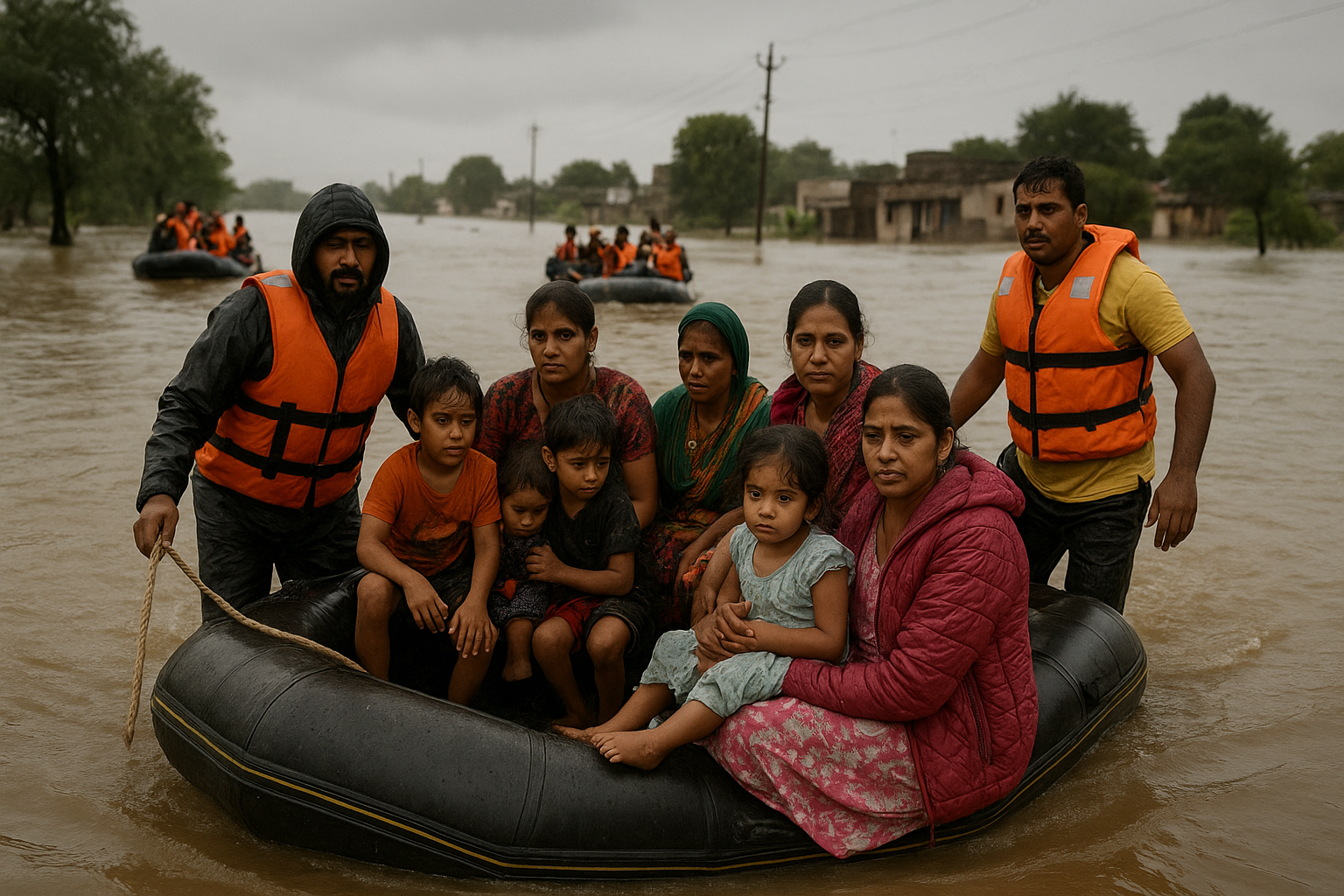
Faced with escalating water levels, the state administration launched large-scale evacuation protocols. Over twenty-two thousand individuals have been successfully relocated from high-risk flood zones to elevated, secure community shelters. Relief camps have been stocked with essential supplies, drinking water, and medical kits to support the displaced populace during this critical phase.
Heroic Efforts by Disaster Response Teams
Specialized rescue units utilized inflatable rubber boats and heavy-duty vehicles to navigate submerged streets and reach stranded citizens. More than one thousand two hundred people have been physically rescued from perilous locations, including rooftop refuges and marooned vehicles. Aerial reconnaissance missions helped pinpoint isolated settlements cut off by damaged bridges and washed-out approach roads, allowing helicopters to drop emergency food packets.
Medical teams accompanied rescue personnel to administer first aid on-site and prevent the outbreak of waterborne diseases in crowded relief centers. Local volunteers also stepped forward, setting community kitchens to feed those who fled their homes with barely any belongings.
Infrastructure Damage and Economic Impact
Beyond human displacement, the deluge has wreaked havoc on regional infrastructure. Power grids in several rural pockets sustained heavy damage, plunging villages into darkness and disrupting telecommunication networks. Agricultural lands, particularly paddy and cotton fields, suffered extensive ruin as standing water choked crop roots, spelling potential hardship for farming communities in the months ahead.
Transportation networks faced crippling setbacks. Dozens of long-distance train routes were canceled or diverted due to tracks being submerged or undermined by soil erosion. National and state highways reported massive traffic bottlenecks as debris-laden floodwaters made vehicular movement treacherous.
Conclusion
The severe weather event unfolding across the western state serves as a stark reminder of the increasing volatility of seasonal weather patterns. While immediate rescue operations and large-scale relocations have successfully saved countless lives, the road to recovery for affected communities will be long and arduous. Authorities remain on high alert as meteorological forecasts predict further showers, emphasizing the need for robust, long-term urban planning and resilient infrastructure to mitigate future climate shocks.
Frequently Asked Questions
How many people were evacuated due to the floods in Gujarat?
Over 22,000 residents have been successfully relocated from vulnerable, waterlogged areas to safer relief shelters across the worst-affected districts.
Which districts suffered the most damage from the heavy downpours?
Navsari and Valsad recorded the most severe impact, followed closely by Surat, Ahmedabad, Kheda, Tapi, and the Dangs region.
What measures are being taken to help stranded residents?
State and national disaster management units have deployed rescue boats, heavy vehicles, and helicopters to evacuate stranded individuals, provide medical aid, and distribute essential supplies at relief camps.
