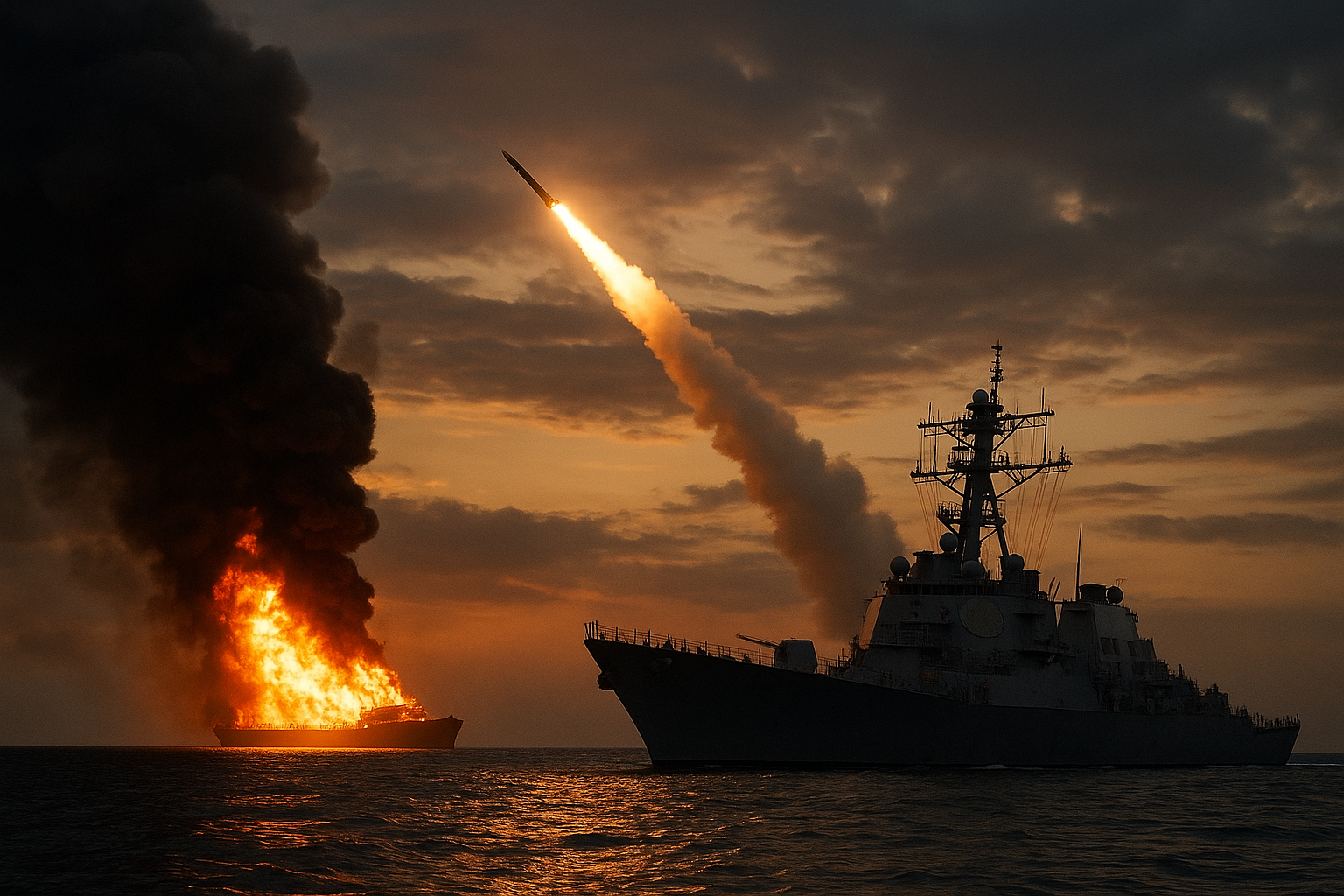
Understanding the Recent Military Escalation
The geopolitical landscape in the Middle East has reached a critical juncture as the United States military continues its targeted operations against Iranian positions. Marking nearly two weeks of sustained tactical engagements, these developments underscore a dangerous deterioration in bilateral relations. Washington has maintained that the ongoing campaign is a necessary response to persistent threats directed at international shipping lanes, which are vital for the global economy and energy supply chains.
Defense analysts point out that the decision to extend these operations into their thirteenth consecutive night demonstrates a profound commitment by Western allies to secure one of the world’s most vital maritime chokepoints. The escalation follows a series of provocative incidents involving commercial vessels and regional security patrols, prompting a robust defensive and offensive posture from the Pentagon.
The Strategic Importance of Regional Waters
At the center of this escalating crisis is the Strait of Hormuz, a narrow waterway through which a massive portion of the world’s petroleum passes daily. Any disruption to traffic in this corridor has immediate, catastrophic implications for global energy markets. For months, commercial shippers have expressed growing alarm over rising tensions, citing risks of seizure, harassment, and kinetic attacks.
Governments across the globe are monitoring the situation with mounting anxiety. Economic stability relies heavily on the uninterrupted flow of goods through these contested waters. Consequently, the presence of coalition naval forces has intensified significantly in recent weeks, aiming to deter hostile actions and ensure freedom of navigation for all international vessels.
Diplomatic Fallout and International Reactions
The military maneuvers have triggered widespread diplomatic fallout, with capitals around the world calling for immediate de-escalation. While Western nations emphasize the right of free passage and collective self-defense, regional actors have expressed deep concern over the potential for a wider regional conflict that could engulf neighboring countries.
United Nations officials have repeatedly urged all parties to exercise maximum restraint. Emergency meetings have been convened to discuss diplomatic pathways toward resolving the underlying maritime disputes. However, with active military engagements continuing on a nightly basis, the prospects for an immediate ceasefire remain uncertain.
Economic Ripple Effects Across Global Markets
Financial markets have reacted swiftly to the prolonged hostilities. Energy futures experienced notable volatility as traders assessed the risk of supply blockades in the Persian Gulf. Shipping insurance rates have skyrocketed, forcing many logistics companies to reconsider their routes or invest in expensive security details for their fleets.
Furthermore, manufacturing sectors dependent on timely imports are beginning to feel the squeeze. Supply chain disruptions, compounded by the maritime security crisis, threaten to reignite inflationary pressures globally. Economists warn that a protracted conflict in the region could severely hamper post-pandemic economic recovery efforts.
Conclusion
The ongoing military campaign by the United States against Iranian forces highlights the fragile state of security in the Middle East. As operations extend into their second week, the primary challenge remains finding a balance between enforcing maritime law and preventing a devastating regional war. The international community must redouble its diplomatic efforts to secure the Strait of Hormuz and foster dialogue before the situation deteriorates beyond repair.
Frequently Asked Questions
Why is the United States conducting strikes?
The military operations are designed to counter perceived threats against international shipping lanes and commercial vessels operating in the vital regional waterways.
What makes the Strait of Hormuz so important?
It is a crucial maritime chokepoint through which a significant percentage of the global petroleum supply is transported daily, making it essential for economic stability.
How are global markets reacting to the escalation?
Financial markets have shown increased volatility, with rising energy futures, elevated shipping insurance costs, and widespread concern over potential supply chain disruptions.
