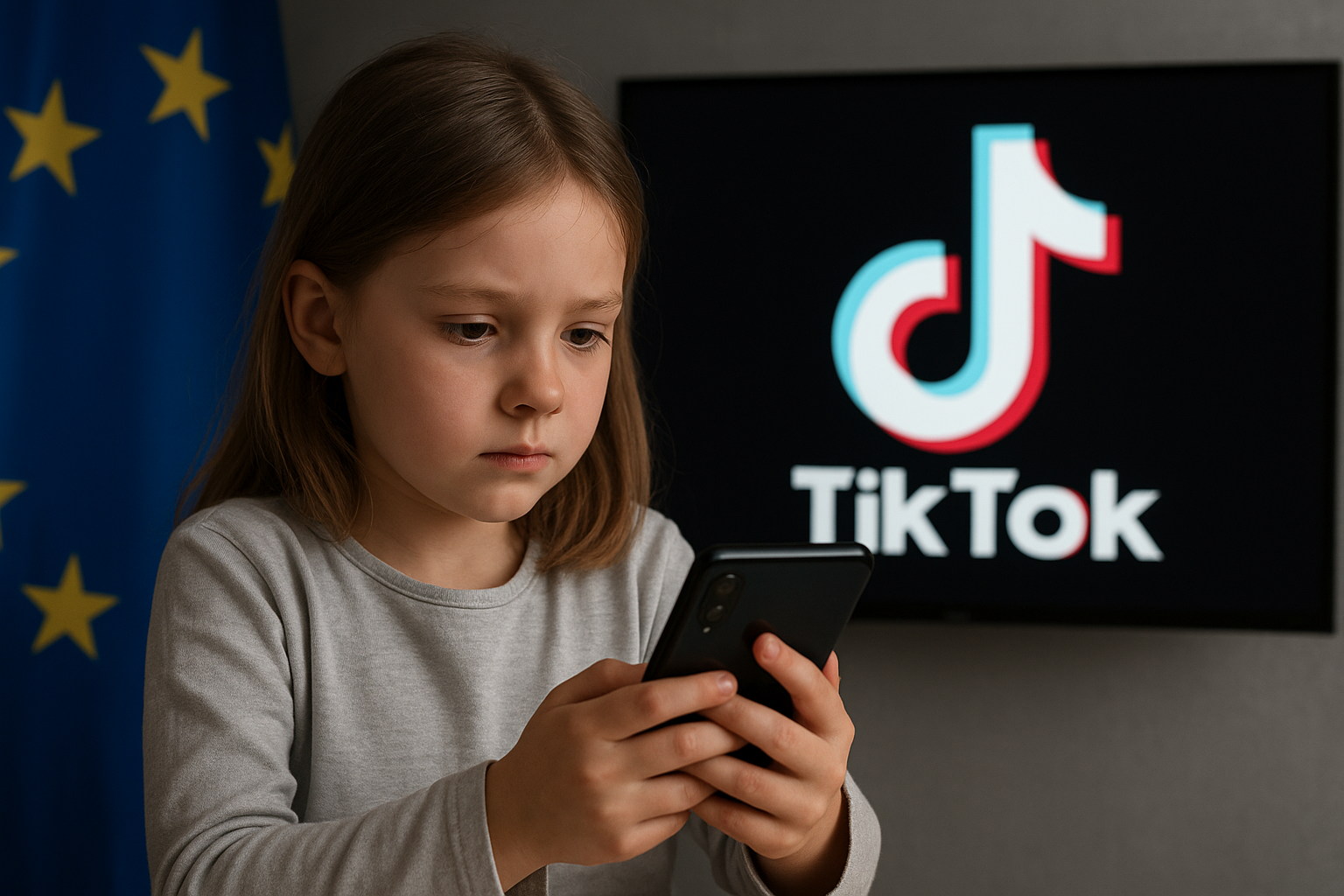
Understanding the European Regulatory Scrutiny
The regulatory landscape for social media platforms operating within the European Union is becoming increasingly rigorous. Recently, European regulators turned their attention toward one of the world’s most popular short-form video applications, raising significant concerns regarding the protection of minors in digital spaces. Authorities argue that the platform’s current structural design fails to adequately shield younger users from potential online dangers, prompting calls for immediate algorithmic and privacy overhauls.
As digital consumption continues to rise among adolescents, governments and regulatory bodies are intensifying their oversight. The core of the European Commission’s argument centers on the accessibility of profiles belonging to teenagers and younger users. Officials maintain that default settings currently leave these vulnerable demographics exposed to a wider audience than necessary, creating potential pathways for exploitation and inappropriate interactions.
Key Privacy Demands and Account Visibility
At the heart of the regulatory action is the strict enforcement of default privacy controls for adolescent accounts. European guidelines stipulate that profiles belonging to minors should remain entirely private by default. Under these proposed standards, a teenager’s account should only be visible to individuals whom the young user has explicitly approved and granted permission to view their content.
Currently, the platform allows individuals aged thirteen and older to register and participate in the community. While age verification and restriction tools exist, regulators argue they are insufficient in preventing unauthorized access. The European Union insists that platform developers must implement robust barriers that automatically restrict public visibility, ensuring that strangers cannot easily monitor or interact with younger demographics without explicit consent.
The Impact on Adolescent Users
Adolescents represent a vital demographic for digital platforms, yet they are also the most vulnerable to the psychological and social pressures of online environments. When profiles are accessible to the general public, young users face heightened risks of cyberbullying, predatory behavior, and the pressure to produce viral content that may compromise their well-being. By enforcing stricter visibility rules, regulators aim to create a safer virtual playground where creativity is not hindered by compromised personal safety.
Furthermore, the physical and mental health implications of unchecked screen time and negative online interactions have driven policymakers to take a hardline stance. The expectation is that technology companies will prioritize user safety over engagement metrics, particularly when dealing with underage populations who may not fully comprehend the long-term consequences of public digital footprints.
Industry-Wide Implications and Future Compliance
This regulatory push extends far beyond a single application, signaling a broader crackdown on major technology firms operating inside European borders. Compliance with the Digital Services Act and other stringent regional laws requires tech giants to proactively assess and mitigate systemic risks. Failure to address these concerns could result in substantial financial penalties and forced operational changes within the region.
As investigations proceed, platform executives are under immense pressure to adapt their software architecture to meet European standards. The outcome of this dispute will likely set a crucial precedent for how digital platforms manage youth safety globally. Companies can no longer rely on passive user education; they must actively engineer systems that guarantee default privacy and protection for every minor.
Conclusion
The ongoing scrutiny by the European Union highlights a critical turning point in digital governance and child safety. As social media continues to shape the daily lives of adolescents, regulatory frameworks must evolve to close existing safety gaps. Ensuring that young accounts remain hidden from unauthorized viewers is a vital step toward creating a secure online ecosystem. The tech industry must recognize that protecting the younger generation is not merely an optional feature, but a fundamental requirement for operating in the modern digital economy.
Frequently Asked Questions
What are the primary concerns raised by the European Union regarding TikTok?
The European Union is primarily concerned that the platform exposes minors to unnecessary online risks by failing to enforce strict enough privacy defaults, allowing unauthorized individuals to view and interact with young users’ accounts.
At what age are individuals allowed to register on the platform?
Currently, children aged thirteen and older are permitted to create an account and use the application, which has prompted regulators to demand stronger protective measures for this specific age group.
What changes are regulators demanding for minor accounts?
Regulators are insisting that accounts belonging to minors should be set to private by default, meaning they are only visible to individuals who have been explicitly authorized and granted permission by the young user.
