Assessing the Political Landscape in South America
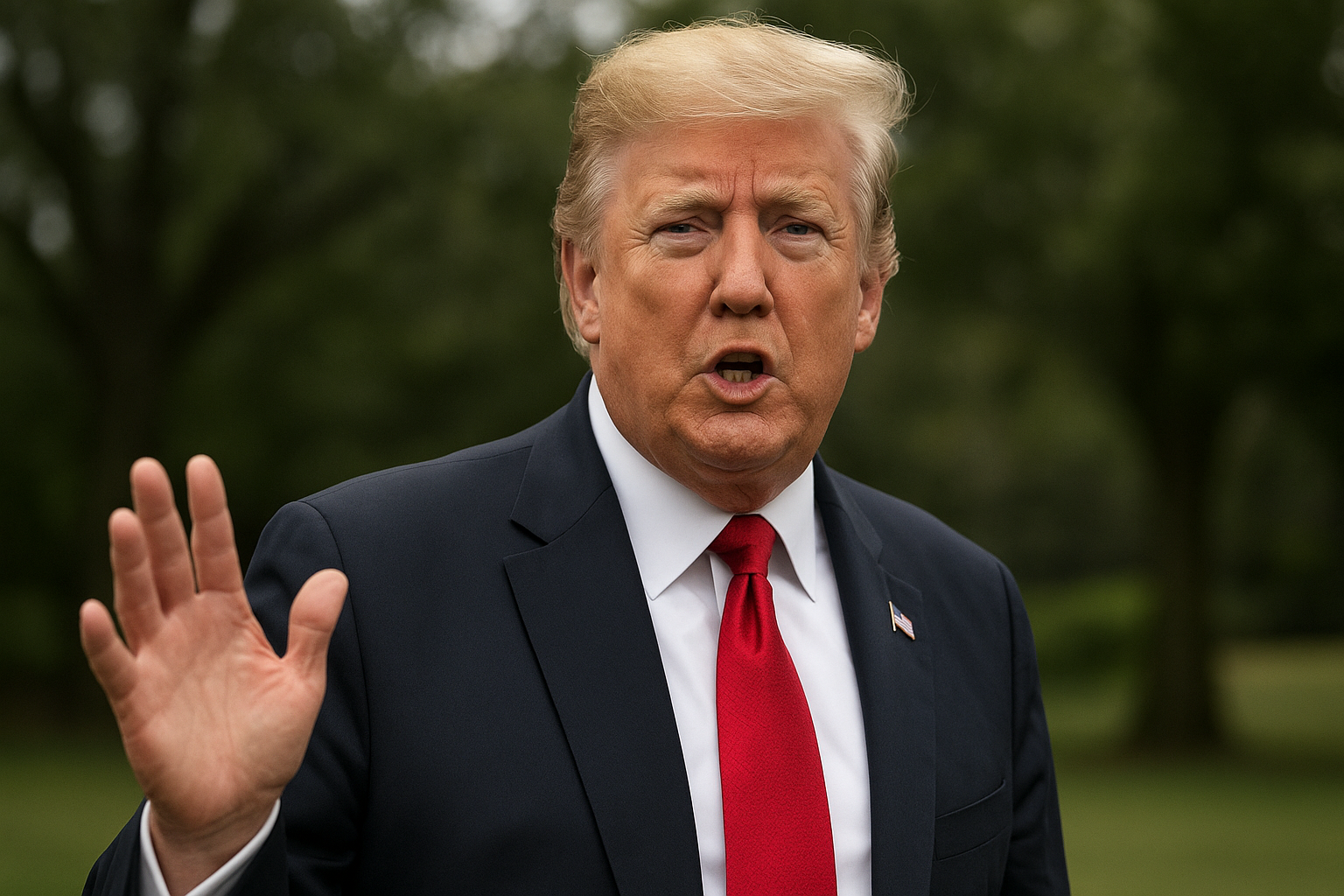
Months after a high-profile military intervention successfully removed Nicolas Maduro from power, the political future of Venezuela remains a subject of intense international debate. Former United States President Donald Trump recently shared his perspective on the current situation, asserting that the South American nation lacks the necessary stability and democratic infrastructure to conduct free and fair elections.
The removal of Maduro was heralded by many as a historic turning point for the nation, which had suffered years of severe economic collapse, humanitarian crisis, and political repression. However, transitioning a country from authoritarian rule to a functioning democracy is an extraordinarily complex undertaking. According to Trump, the foundational elements required for a legitimate electoral process simply are not present at this time.
The Aftermath of Military Intervention
The military operation that ousted Maduro reshaped the geopolitical dynamics of the region. While international actors initially hoped for a swift transition to civilian leadership and democratic voting, reality has proven far more stubborn. Institutional decay, deeply fractured political factions, and the absence of an independent judiciary continue to plague the nation’s governance structures.
Critics of premature voting argue that rushing to the ballot box without robust safeguards could simply allow entrenched authoritarian networks to manipulate the outcome, granting illegitimate actors a veneer of democratic approval. On the other hand, proponents of immediate elections argue that the population deserves a voice in their governance as soon as possible, regardless of administrative hurdles.
Challenges to Democratic Restoration
Rebuilding a nation from the ground up requires addressing multiple critical pillars of society. Security, economic revitalization, and the establishment of trust in public institutions are paramount before any meaningful election can take place.
Economic Turmoil and Social Unrest
Years of hyperinflation, mismanagement, and international sanctions have devastated the Venezuelan economy. Basic goods remain scarce, infrastructure is crumbling, and millions of citizens have fled the country in search of better prospects. Organizing a national election under such conditions presents immense logistical nightmares, from funding voting infrastructure to ensuring that displaced citizens retain their voting rights.
Rebuilding State Institutions
A democratic election relies heavily on impartial electoral boards, a free press, and secure voting mechanisms. Under the previous regime, these institutions were systematically dismantled or co-opted. Restoring credibility to these bodies takes years of careful planning, international oversight, and bipartisan cooperation—elements that are currently in short supply within the Venezuelan political sphere.
International Reactions and Future Outlook
The international community remains deeply divided on the best path forward for Venezuela. Neighboring countries, regional organizations, and global superpowers are monitoring the situation closely, each advocating for strategies that align with their diplomatic and economic interests. While some nations echo the sentiment that patience and rigorous institutional reform are necessary, others push for an accelerated timeline to restore constitutional order.
As the conversation surrounding Venezuela’s governance continues to evolve, the primary focus must remain on the well-being of its citizens. Ensuring that future democratic exercises are truly representative of the people’s will is the ultimate goal, even if it requires a longer and more arduous transition period than initially anticipated.
Conclusion
The journey toward democracy in Venezuela is fraught with significant challenges following the ousting of Nicolas Maduro. While the desire for a swift return to civilian rule is understandable, the logistical and institutional realities on the ground cannot be ignored. As leaders like Donald Trump have pointed out, rushing the electoral process without adequate preparation risks undermining the very democratic principles the international community seeks to restore. Careful planning, institutional rebuilding, and sustained international support will be essential in shaping a stable and prosperous future for the nation.
Frequently Asked Questions
Why did Donald Trump say Venezuela is not ready for elections?
Donald Trump expressed concern that Venezuela lacks the necessary stability, institutional framework, and democratic safeguards required to hold free and fair elections following the removal of Nicolas Maduro.
What happened to former Venezuelan leader Nicolas Maduro?
Nicolas Maduro was removed from power following a United States military operation that aimed to address the severe political and humanitarian crises in the country.
What are the main obstacles to holding elections in Venezuela?
Major obstacles include severe economic turmoil, crumbling infrastructure, the absence of independent state institutions, and a deeply fractured political landscape that complicates the transition to a functioning democracy.
