The Path Forward for Post-Maduro Venezuela
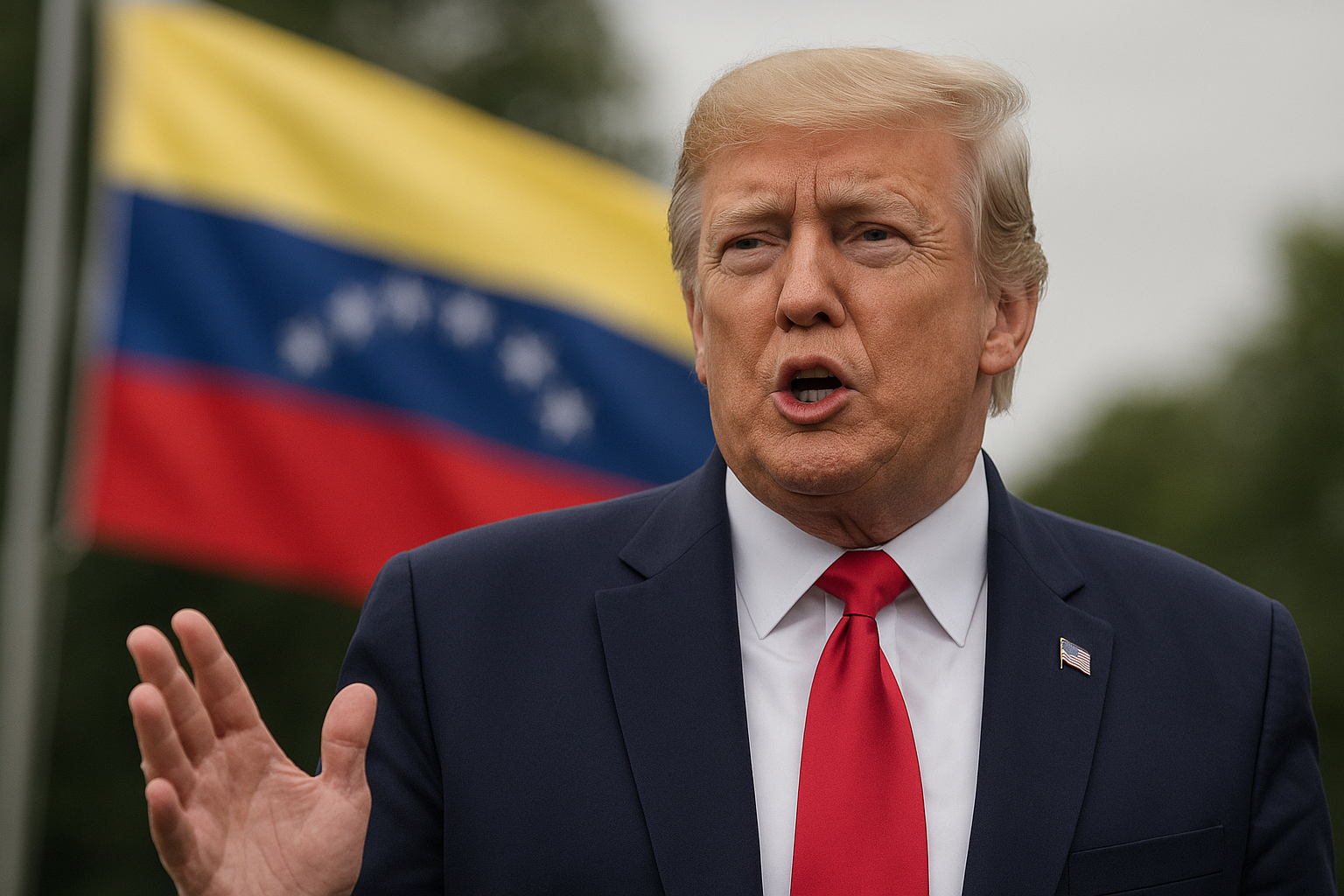
Months after a decisive American military intervention successfully ousted long-time leader Nicolas Maduro, the political landscape in South America remains deeply unsettled. Former US President Donald Trump recently expressed profound skepticism regarding the South American nation’s readiness to participate in democratic exercises. Speaking to reporters on Friday, Trump underscored that the underlying political infrastructure is still far too fragile to support a transparent and fair electoral process.
This assessment arrives over seven months following the dramatic operation that removed Maduro from power, an event that sent shockwaves through international diplomacy. While Western nations initially celebrated the downfall of the authoritarian regime, the heavy burden of rebuilding a functioning society has proven to be an immense challenge. Critical institutions, ranging from the judiciary to the electoral commission, require extensive overhauls before citizens can safely head to the polls.
Assessing the Security and Democratic Deficit
The primary concern voiced by international observers and foreign policy experts centers on the profound lack of foundational democratic norms. Years of systematic dismantling of state checks and balances under previous leadership have left a severe power vacuum. Restoring public trust in governance is not an overnight endeavor, and rushing the process could inadvertently allow bad actors to manipulate the outcome.
Overcoming Institutional Decay
Rebuilding the electoral machinery in the oil-rich nation demands rigorous oversight. Key areas that require immediate attention include:
- Independent voter registration databases to prevent fraud.
- Unbiased media access for all political factions.
- Robust international monitoring teams to verify ballot integrity.
Without these critical elements firmly in place, any attempt at hosting a national vote risks descending into illegitimacy, potentially sparking further domestic unrest and humanitarian hardship.
International Reactions and Humanitarian Priorities
The international community remains sharply divided on the exact timeline for political normalization. While neighboring countries are eager to see a democratically elected government restore regional stability, humanitarian organizations emphasize that basic human needs must take precedence over political timetables. Millions of citizens continue to grapple with severe shortages of food, medicine, and economic opportunity.
Addressing these foundational survival issues is seen by many analysts as a prerequisite for meaningful political engagement. A starving and displaced population cannot effectively participate in a robust democratic debate, making socioeconomic stabilization a vital partner to political reform.
Conclusion
The journey toward a revitalized, democratic society in the wake of the Maduro era is undeniably complex. As highlighted by recent commentary, pushing for premature elections without the necessary institutional safeguards could jeopardize the very democratic ideals the international community aims to establish. Moving forward, a patient, structured approach focusing on security, institutional rebuilding, and humanitarian relief remains essential for long-term success.
Frequently Asked Questions
Why did Donald Trump state that the nation is not ready for a vote?
The former president pointed to the severe institutional decay and lack of secure, transparent political infrastructure resulting from years of authoritarian rule, arguing that these conditions prevent a fair and credible electoral process.
How long has it been since the military operation that ousted Nicolas Maduro?
The decisive American military intervention that removed Nicolas Maduro from power occurred more than seven months prior to these recent statements.
What are the primary hurdles to establishing a democratic government in the region?
Major obstacles include the absence of independent electoral bodies, unverified voter registries, restricted media freedoms, and ongoing humanitarian crises that hinder civic participation.
