The Aftermath of Maduro’s Ouster
More than seven months following the high-stakes military operation orchestrated by the United States that successfully removed Nicolas Maduro from power, questions regarding the future governance of the South American nation remain at the forefront of international diplomacy. The operation marked a monumental shift in the political landscape of the region, ending years of authoritarian rule that had plunged the oil-rich country into severe economic ruin and humanitarian distress. However, the path toward establishing a stable, functioning democracy has proven to be extraordinarily complex and fraught with diplomatic hurdles.
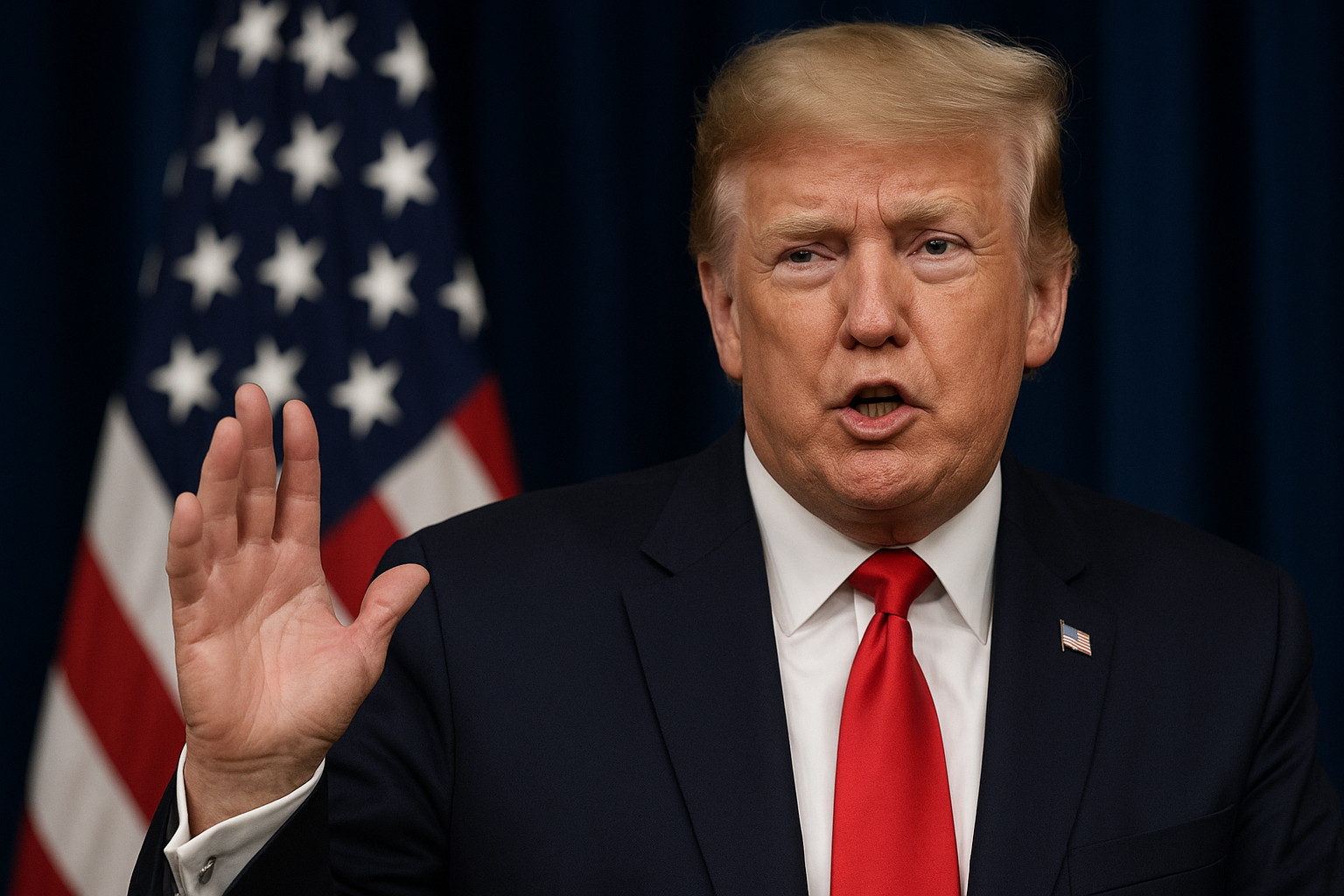
In recent remarks, American leadership addressed the delicate transition currently underway, emphasizing that rushing the political process could yield disastrous results. The transition team and international observers have been closely monitoring the situation on the ground, assessing the institutional damage left behind by the previous regime. Rebuilding the electoral infrastructure requires immense effort, and current assessments suggest that the foundational elements necessary for a free and fair vote are simply not yet in place.
Evaluating Democratic Readiness
Determining whether a nation emerging from prolonged dictatorship is prepared for democratic participation involves multiple critical factors. Independent electoral boards, a free press, secure voting mechanisms, and the unhindered ability of opposition candidates to campaign are non-negotiable prerequisites. Unfortunately, decades of systemic dismantling of democratic institutions in the South American state have left a profound vacuum.
International experts point out that holding a premature vote could lead to disputed outcomes, further civil unrest, or the potential resurgence of remnants of the old regime under a different guise. Therefore, the international community faces a difficult balancing act: pushing for rapid democratization while ensuring that the eventual vote is genuinely representative of the populace’s will.
Economic and Humanitarian Realities
Beyond the political restructuring, the nation continues to grapple with staggering economic challenges. The infrastructure of the critical petroleum industry, which serves as the lifeblood of the national economy, suffered years of neglect, corruption, and mismanagement. Restoring production capabilities requires substantial foreign investment, technical expertise, and regulatory certainty—elements that are difficult to secure in an unstable political climate.
Moreover, the humanitarian situation demands immediate, sustained attention. Millions of citizens fled the country during the height of the crisis, creating a massive regional migration challenge. Addressing food security, healthcare access, and basic public services must happen concurrently with political reforms. Experts argue that citizens focused entirely on daily survival cannot fully engage in a democratic electoral process.
International Diplomacy and Regional Stability
Neighboring countries and global superpowers are watching the unfolding situation with cautious optimism mixed with apprehension. Regional stability depends heavily on a peaceful and orderly transition of power. Diplomatic channels remain active as foreign ministers negotiate the best path forward to support civil society and foster institutional integrity without appearing to infringe upon national sovereignty.
While the desire for immediate democratic self-determination is universally understood, the consensus among key international players is that patience and methodical rebuilding are paramount. Skipping essential preparatory steps could jeopardize the long-term viability of the future government.
Conclusion
The journey toward a revitalized, democratic society in the aftermath of authoritarian rule is rarely swift or straightforward. While the removal of Nicolas Maduro opened a historic window of opportunity, the profound institutional decay requires extensive remediation before citizens can head to the polls with confidence. Prioritizing structural integrity, economic stabilization, and humanitarian relief will ultimately lay a stronger foundation for lasting democratic success.
Frequently Asked Questions
Why are elections being delayed in Venezuela?
Elections are currently considered premature due to the severe dismantling of democratic institutions, lack of secure voting infrastructure, and ongoing economic and humanitarian crises left behind by the previous regime.
What was the outcome of the US military operation against Nicolas Maduro?
The operation successfully removed Maduro from power, ending his authoritarian rule and initiating a complex, ongoing transition period overseen by international and domestic actors.
What conditions are necessary for the country to hold a vote?
Before a credible election can take place, the nation requires independent electoral boards, a restored judicial system, a free press, economic stabilization, and guaranteed safety for opposition candidates and voters.
