Rising Tensions in the Persian Gulf
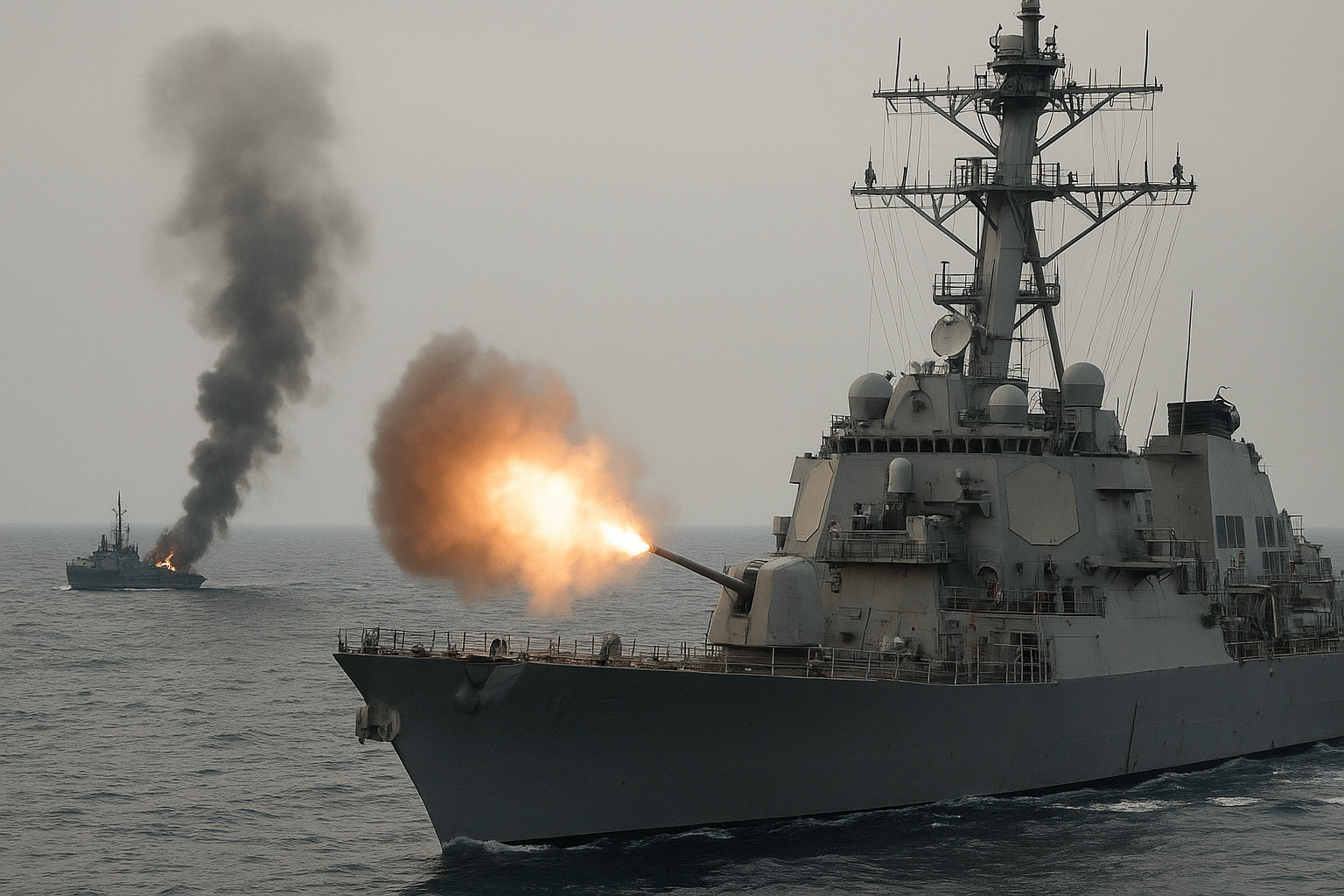
The security situation in the Middle East has taken another dangerous turn as American military forces engaged with commercial shipping in the Persian Gulf. According to official statements released on Friday, United States military personnel fired upon a merchant vessel that was actively attempting to breach the ongoing naval blockade surrounding Iranian ports. This maritime confrontation marks yet another escalation in a region already fraught with geopolitical friction and military posturing.
For weeks, international shipping lanes in and around the Gulf have transformed into a volatile theater of operations. The establishment of the naval embargo has disrupted traditional commercial routes, forcing maritime operators to navigate unprecedented hazards. As naval forces enforce strict containment protocols, the threshold for military engagement has lowered significantly, raising alarms among international trade organizations and maritime safety experts worldwide.
The Incident at Sea
Details emerging from the latest engagement indicate that the targeted merchant vessel ignored multiple warnings issued by coalition forces. Standard operating procedures dictate that unauthorized ships attempting to bypass the maritime perimeter are subjected to communication hails and warning shots before more aggressive measures are authorized. When the vessel continued its trajectory toward the restricted zone, American forces deployed kinetic deterrents to halt its progress.
Maritime security analysts note that commercial vessels operating in these contested waters face extreme operational risks. Shipowners and captains are now forced to weigh the economic imperatives of cargo delivery against the stark reality of active naval conflict zones. The exact identity and registry of the targeted ship remain under official review as intelligence agencies work to determine the true ownership and ultimate destination of the cargo.
Retaliatory Strikes on Regional Strongholds
The confrontation at sea did not occur in a vacuum. Shortly after the maritime incident unfolded, reports surfaced indicating that the Islamic Republic responded by targeting American military installations and strongholds scattered across the Persian Gulf region. These retaliatory actions underscore the interconnected nature of the current crisis, where events in international waters instantly trigger kinetic responses on land.
Military bases and logistical hubs housing American personnel have been placed on the highest levels of alert. Defense systems across the theater have engaged incoming threats as regional actors demonstrate their capability to project force symmetrically and asynchronously. The speed at which the situation escalated from a naval interception to broader regional hostilities highlights the fragile security architecture currently governing the Gulf.
Defense Systems on High Alert
In response to the retaliatory salvos, American and allied defense networks have activated advanced counter-measures. Patriot batteries and localized air defense units are operating around the clock to safeguard personnel and critical infrastructure. Military leadership has emphasized that force protection remains the absolute priority as commanders anticipate further provocations in the coming days.
The broader implications of these hostilities extend far beyond immediate military concerns. Energy markets have reacted nervously to the disturbances in the Persian Gulf, a critical artery for global petroleum transport. Analysts warn that sustained military friction in this geography threatens to push energy prices upward, potentially impacting the global economic recovery.
Conclusion
The recent escalation involving the United States Navy and regional actors in the Persian Gulf demonstrates the precarious state of Middle Eastern geopolitics. With American forces actively enforcing a naval blockade and facing direct retaliation against regional strongholds, the margin for diplomatic error is shrinking rapidly. The international community watches with bated breath, hoping for a de-escalation before maritime commerce and regional stability suffer irreversible damage.
Frequently Asked Questions
Why did the US military fire on the merchant vessel?
American forces fired upon the commercial ship because it attempted to breach the established naval blockade surrounding Iranian ports and reportedly ignored multiple warnings to alter its course.
How did regional actors respond to the maritime incident?
Shortly after the naval engagement, the Islamic Republic launched retaliatory attacks targeting American military strongholds and installations located throughout the Persian Gulf region.
What are the wider implications for global shipping?
The ongoing hostilities pose severe risks to international maritime trade and energy transport through the Persian Gulf, leading to heightened security protocols and potential disruptions in global energy markets.
