Washington Probes Allegations of Foreign Military Assistance to Iran
Recent intelligence reports suggesting that major global powers might be supplying advanced targeting data to the Islamic Republic have sparked intense scrutiny within the United States capital. Administration officials are currently reviewing classified information to determine the extent of foreign involvement in recent regional conflicts. These developments have heightened geopolitical tensions, drawing sharp reactions from former leadership and current policymakers alike who view any form of military collaboration with Tehran as a direct threat to regional stability.
The focal point of the current investigation centers around whether strategic partners of Iran have crossed red lines by offering operational intelligence. Such assistance, if proven, could drastically alter the balance of power in the Middle East and significantly increase the risks faced by coalition forces stationed throughout the region. Defense analysts emphasize that the nature of modern warfare makes targeting data just as critical as physical weaponry, rendering any transfer of such information a matter of extreme national security.
The Strategic Implications for Global Superpowers
Engaging in arms-related or intelligence-sharing activities with Tehran carries profound consequences for nations seeking to maintain stable diplomatic and economic relations with the West. Policymakers have repeatedly stressed that economic partnerships cannot be entirely divorced from security considerations. By potentially bolstering the military capabilities of a state frequently linked to regional destabilization, external actors risk inviting severe diplomatic backlash and targeted financial penalties.
Furthermore, analysts point out that such maneuvers could trigger a broader security dilemma, prompting Western allies to reinforce their own defensive postures and deepen regional alliances. The delicate equilibrium required to prevent widespread conflict in the Middle East relies heavily on restraint from international stakeholders. When major capitals appear to bypass these unwritten rules of engagement, the margin for error diminishes rapidly, creating an environment ripe for miscalculation.
Statements Emphasize Consequences of Proliferation
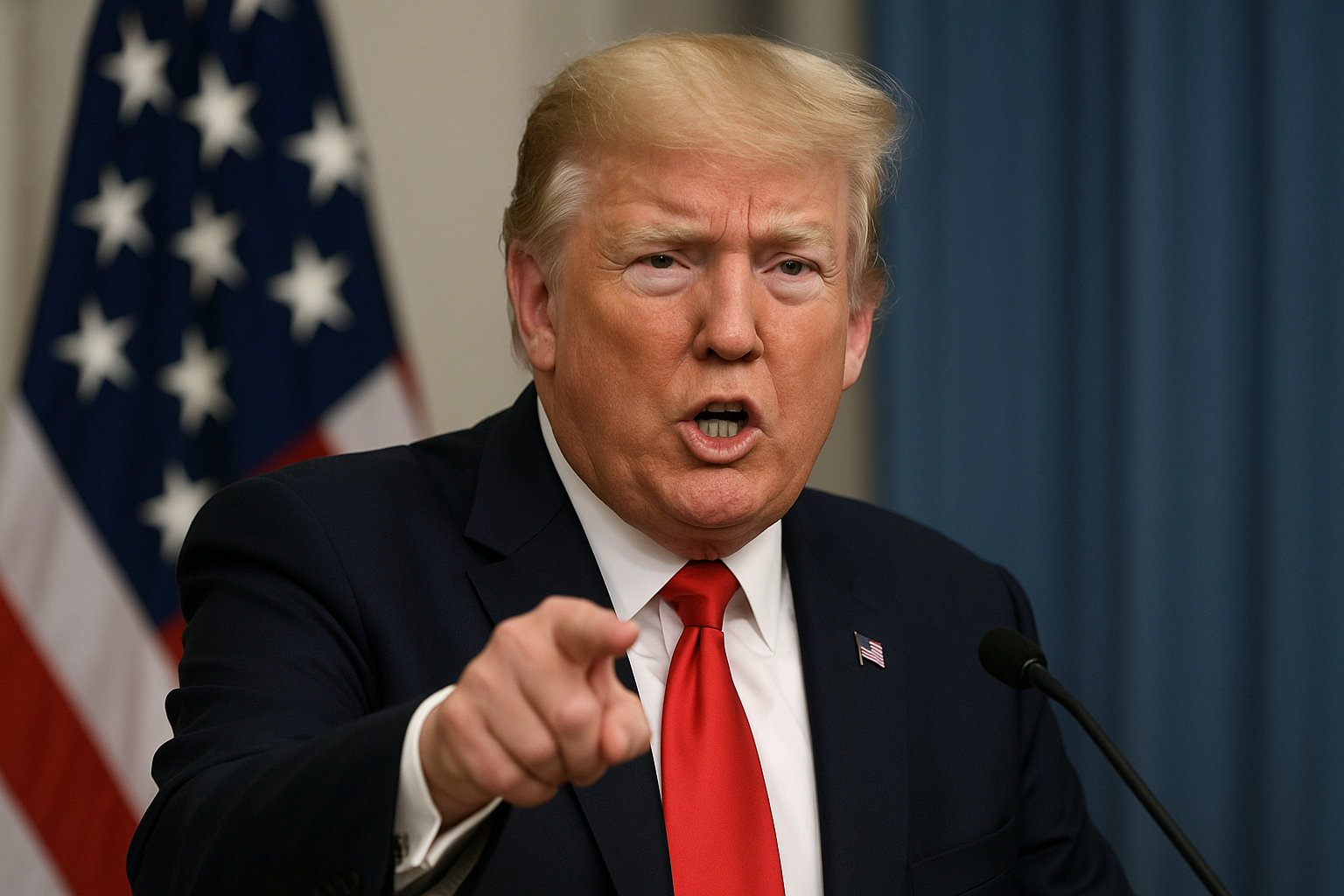
Voicing deep concern over the escalating situation, high-profile figures have taken to digital platforms to articulate their opposition to any transactions that strengthen Iran’s military apparatus. In a recent public statement shared via social media channels, former President Donald Trump explicitly cautioned both Beijing and Moscow against moving forward with any arms sales or intelligence transfers to Tehran. The messaging underscored the viewpoint that assisting the Iranian regime runs entirely counter to the long-term national interests of those involved.
The public caution serves as a clear signal to foreign adversaries that the United States remains vigilant regarding threats directed at its personnel and allies. Observers note that economic leverage remains a primary tool in discouraging such proliferation activities. Should evidence confirm illicit transfers of weaponry or critical data, policymakers are expected to push for robust countermeasures designed to penalize the offending economies and deter future cooperation.
Protecting Coalition Personnel in the Region
The immediate catalyst for the current intelligence review stems from a series of concerning security incidents involving attacks on American outposts and military installations. Protecting service members stationed abroad remains a paramount priority for defense planners, necessitating a proactive approach toward neutralizing potential threats before they materialize. Understanding the origin of the targeting intelligence utilized in these strikes is viewed as an essential step in formulating an effective deterrence strategy.
Military leaders have continually adapted their defensive posture to account for evolving technological threats, including advanced unmanned aerial systems and precision munitions. However, mitigating the threat at its source—specifically by cutting off external supply chains and intelligence flows—remains the most effective long-term solution. International pressure on suppliers of military technology continues to be a central pillar of this comprehensive defense strategy.
Conclusion
The intersection of great power competition and Middle Eastern security remains a volatile flashpoint in contemporary geopolitics. As investigations into alleged intelligence and arms transfers continue, the international community watches closely to see how Beijing and Moscow respond to these diplomatic warnings. Ensuring long-term stability will require sustained vigilance, robust deterrence, and a unified front against the proliferation of military capabilities to actors committed to regional disruption.
Frequently Asked Questions
What prompted the recent warnings regarding arms sales to Iran?
The warnings were issued following intelligence reports and investigations suggesting that foreign powers may be supplying targeting data and military support to Iran amid attacks on coalition bases.
How are major global powers allegedly assisting Tehran?
Current investigations are examining whether external nations are providing crucial targeting information and military hardware that enhance the operational capabilities of the Iranian regime.
Why is intelligence-sharing considered as critical as physical weaponry?
Modern precision strikes rely heavily on accurate targeting data. Providing this information allows forces to execute attacks more effectively, making it a vital component of military capability.
