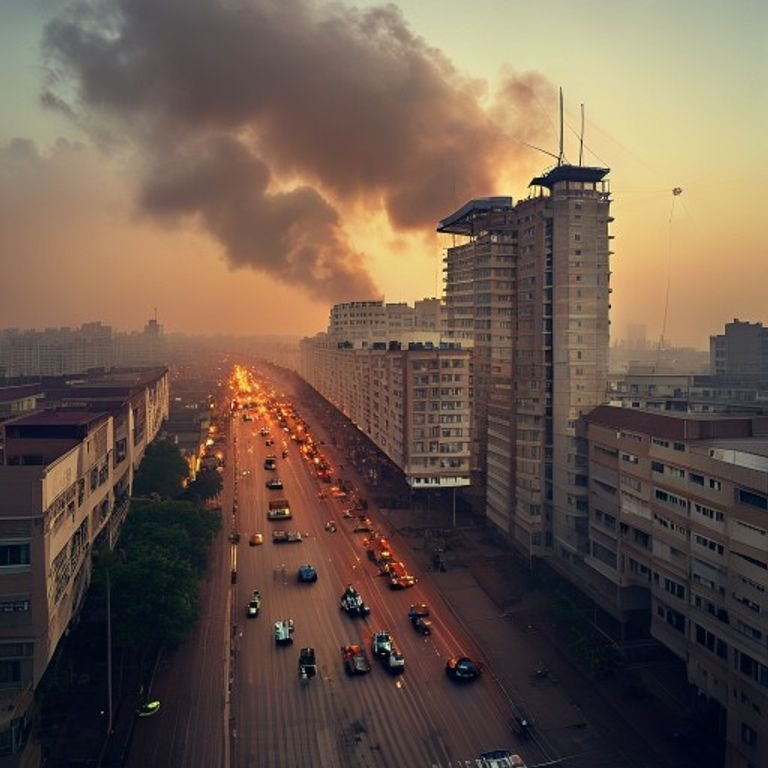
Introduction to the Palam Fire Inquiry Findings
A comprehensive official investigation into the devastating blaze that claimed 9 lives in Palam has exposed severe administrative lapses, infrastructural shortcomings, and critical safety hazards. The inquiry report has specifically highlighted enforcement failures by the Municipal Corporation of Delhi (MCD), rampant unauthorized commercial operations in residential areas, and a tangled web of illegal overhead cables that severely hampered rescue operations. Additionally, the probe shed light on deep-seated systemic issues within the fire department, pointing to massive staff shortages and inadequate technical training.
Major Findings of the Palam Fire Probe
MCD Enforcement Failures and Unauthorized Commercial Activities
According to the inquiry, the Municipal Corporation of Delhi (MCD) failed miserably in its regulatory duties. The probe revealed that unauthorized commercial activities were thriving unchecked in areas designated for residential use. This unregulated commercialization not only violates municipal zoning laws but also drastically increases fire hazards due to the unauthorized storage of materials, lack of fire exits, and absence of mandatory safety clearances.
Blocked Rescue Operations Due to Illegal Overhead Cables
One of the most harrowing aspects of the Palam incident was the severe obstruction faced by emergency responders. The investigation noted that a complex and illegal network of overhead cables completely blocked critical rescue operations. Furthermore, the inquiry explicitly stated that a skylift failed during the emergency response. The combination of jammed overhead wiring and mechanical equipment failure prevented firefighters from reaching trapped victims in time, ultimately contributing to the tragic death toll of 9 individuals.
Systemic Vulnerabilities in the Delhi Fire Services
Severe Staff Shortages and Equipment Gaps
The probe expanded its scope beyond the immediate site of the tragedy to examine the operational readiness of the emergency services in the national capital. The findings revealed a staggering 853 vacancies in the Delhi Fire Services. This critical shortage of personnel places an immense burden on the existing workforce, affecting response times and the overall execution of rescue missions.
Gaps in Technical Training and Modern Equipment
Compounding the manpower crisis, the inquiry uncovered serious gaps in equipment availability and technical training. Modern firefighting and rescue operations require advanced machinery, regular equipment maintenance, and rigorous simulation training. The failure of the skylift during the Palam incident directly underscores these equipment vulnerabilities, pointing to an urgent need for infrastructural upgrades and comprehensive administrative overhauls.
Implications for Urban Safety and Public Welfare
The revelations from the Palam fire inquiry have sparked serious concerns regarding urban governance and public safety in Delhi. The convergence of municipal regulatory negligence, illegal cabling, and under-resourced emergency services creates a ticking time bomb across densely populated neighborhoods. Citizens and safety advocates are now demanding strict accountability, regular safety audits, and immediate rectifications to prevent similar tragedies in the future.
Conclusion
The tragic loss of 9 lives in Palam serves as a grim reminder of the deadly consequences of administrative apathy and compromised safety standards. From MCD enforcement failures and illegal commercialization to blocked rescue routes caused by unauthorized overhead cables and severe staffing deficits in the Delhi Fire Services, the inquiry has laid bare a multi-layered crisis. Addressing these systemic flaws is imperative to ensuring the safety and security of residents across the city.
Frequently Asked Questions
How many people died in the Palam fire incident?
A total of 9 individuals lost their lives in the tragic Palam fire incident.
What were the primary reasons for the rescue delays?
Rescue operations were severely hampered because illegal overhead cables blocked access, and a skylift failed during the emergency response.
What systemic issues were found within the Delhi Fire Services?
The inquiry uncovered 853 vacancies in the Delhi Fire Services, alongside serious gaps in equipment availability and technical training.
