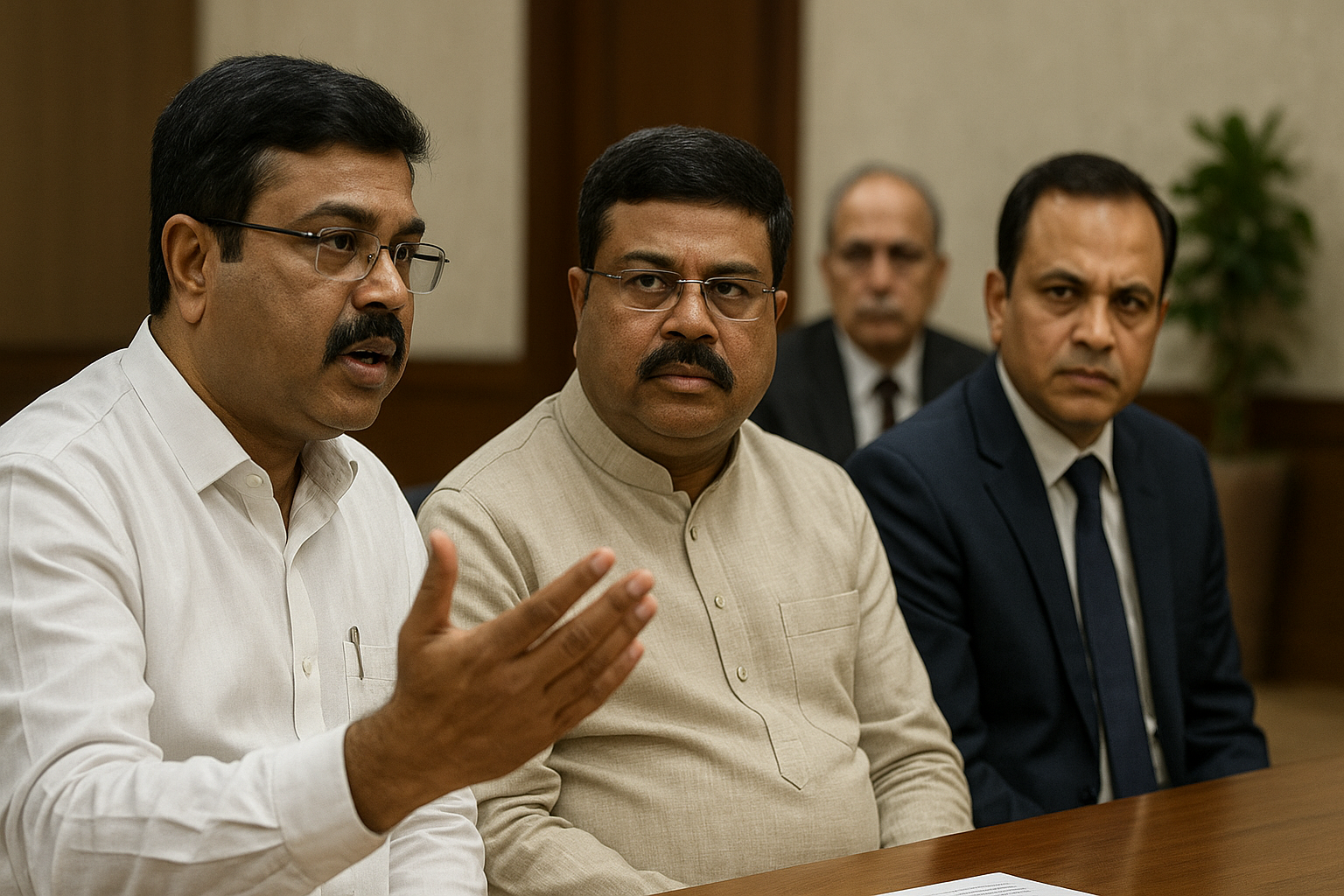
Political Tensions Rise Over Ministerial Accountability
The political landscape in India is currently witnessing a surge of intense debates and high-stakes negotiations. Recent developments have brought attention to prominent figures within the central administration and notable civic activists. Amid these unfolding events, critical voices have emerged, demanding immediate accountability and structural shifts in governance. Observers are closely monitoring how these pressures will influence upcoming policy decisions and cabinet stability.
Discussions involving key judicial authorities and central administrators have intensified over the past few days. These deliberations aim to address pressing grievances raised by civic leaders who have mobilized substantial public support. While some demonstrations have concluded following constructive dialogues, other pressure groups continue to push for radical changes within the ruling apparatus, setting the stage for potential political confrontations.
The Core Demands and Activist Stances
At the center of the current unrest are demands for greater regional autonomy, environmental protections, and administrative reforms. Activists have utilized prolonged hunger strikes and public demonstrations to draw national attention to their causes. The recent conclusion of a high-profile 26-day fast by a prominent environmental activist marked a temporary relief for the administration, yet underlying tensions remain largely unresolved.
Despite compromises reached with certain factions, hardline stances persist among other prominent organizers. When questioned about potential compromises and whether appeals from fellow activists would alter his aggressive stance, youth leader Abhijeet Dipke remained steadfast. He categorically rejected the notion of stepping down or calling off his campaign, insisting that systemic changes are non-negotiable and that specific cabinet members must relinquish their posts to restore public trust.
Judicial Involvement and Administrative Response
The involvement of the Chief Justice of India (CJP) in discussions alongside central leaders highlights the gravity of the ongoing situation. The judiciary has often stepped in to mediate or ensure that the fundamental rights of protesting citizens are protected while maintaining public order. These closed-door meetings are seen as a critical mechanism to prevent further escalation and to find a middle ground that satisfies both state security concerns and democratic rights.
Government representatives have expressed a willingness to engage in continuous dialogue, promising to review key demands related to constitutional safeguards and regional development. However, critics argue that verbal assurances are insufficient without concrete legislative actions. The refusal of leaders like Dipke to moderate their demands complicates the government’s efforts to project a unified approach to the crisis.
Implications for the Ruling Coalition
The pressure on Union Minister Dharmendra Pradhan and other key stakeholders reflects broader discontent with how regional issues are handled at the national level. Political analysts suggest that prolonged uncertainty could impact the ruling party’s electoral standing in upcoming regional polls. Maintaining a balance between firm governance and empathetic responsiveness to regional aspirations remains a formidable challenge for the central administration.
Furthermore, the solidarity among various activist groups indicates that localized protests can quickly transform into broader national movements. As negotiations continue behind closed doors, the public awaits tangible outcomes that address the core grievances without compromising national stability.
Conclusion
The current political standoff involving high-level talks, judicial oversight, and vocal activist demands underscores the complex dynamics of modern Indian democracy. While some progress has been made through recent dialogues, unwavering figures like Abhijeet Dipke ensure that the pressure on the central government remains high. The ultimate resolution of this crisis will depend heavily on the administration’s willingness to enact meaningful reforms and ensure genuine accountability at the highest levels of office.
Frequently Asked Questions
Why is Abhijeet Dipke demanding the resignation of Dharmendra Pradhan?
Abhijeet Dipke and his supporters are pressing for political accountability and immediate administrative changes, arguing that current leadership has failed to adequately address key regional and environmental grievances.
What was the outcome of Sonam Wangchuk’s recent hunger strike?
Sonam Wangchuk concluded his 26-day hunger strike after receiving formal assurances from government representatives regarding his core demands concerning regional rights and environmental protections.
What role are judicial authorities playing in these ongoing talks?
Top judicial authorities, including the Chief Justice of India, have been engaged in discussions alongside central leaders to mediate tensions, protect democratic rights, and help broker peaceful solutions to the ongoing protests.
