Understanding the Escalation in Central Delhi
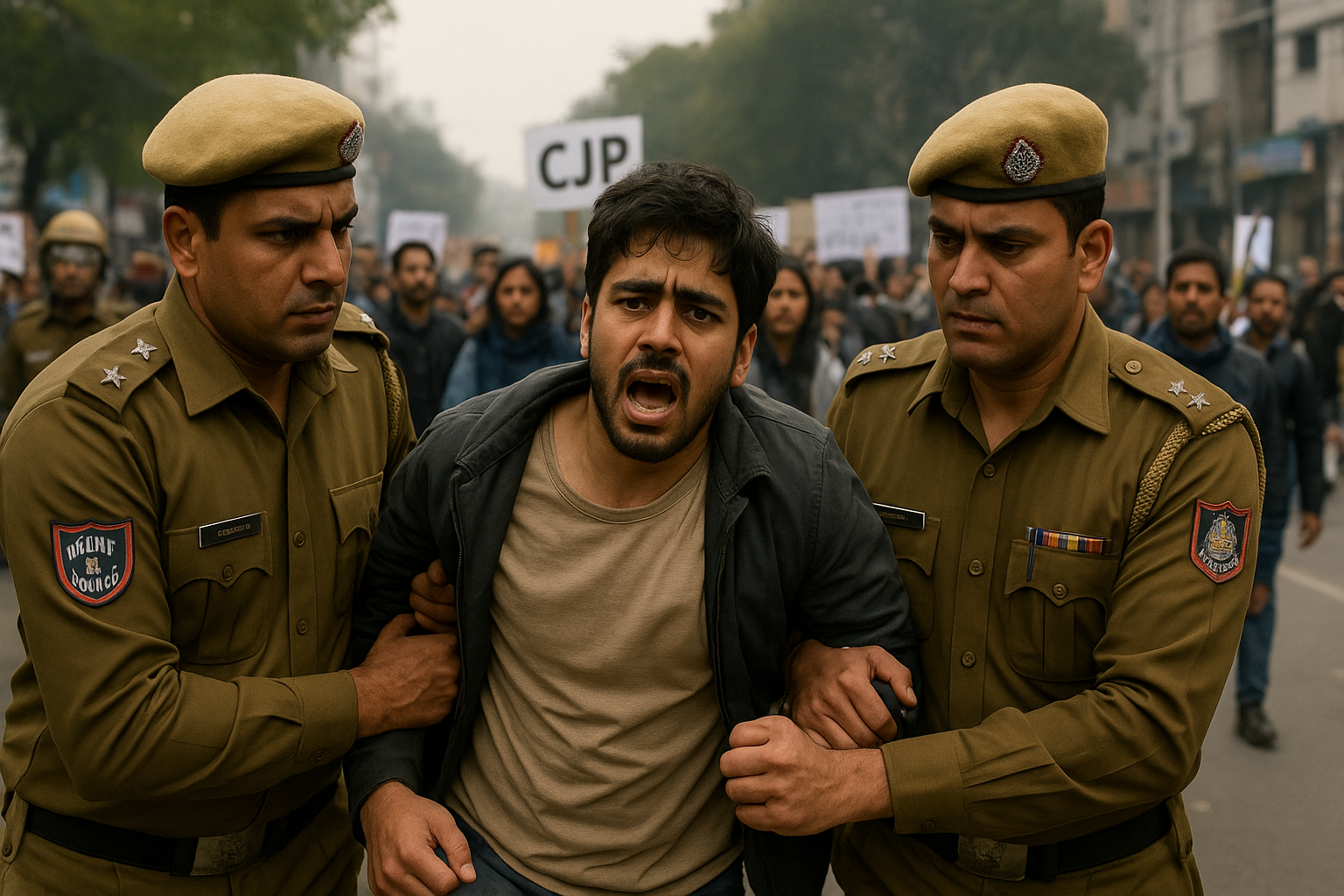
The security apparatus in the National Capital Territory of Delhi has taken a stern stance regarding the recent civil unrest that unfolded during the commencement of the legislative session. Law enforcement authorities have significantly escalated the legal measures against individuals implicated in the violent disturbances. What began as a standard investigation into public disorder and resistance has now intensified into a much graver judicial matter, reflecting the severity of the confrontations that transpired near the seat of government.
During the initial mobilization, thousands of citizens, predominantly young adults, gathered in the heart of the capital to voice their grievances. The convergence coincided with the opening day of the monsoon deliberations in Parliament on July 20, creating a volatile atmosphere that quickly overwhelmed local security protocols. The transition from a peaceful assembly to chaotic skirmishes has prompted a thorough reassessment of how the incident is categorized within the penal code.
The Turning Point in the Investigation
As forensic teams and investigators analyzed hours of digital footage, closed-circuit television recordings, and media broadcasts, a clearer picture of the events emerged. The evidence allegedly points to specific actions that went beyond mere civil disobedience or property damage. Consequently, senior law enforcement officials authorized the inclusion of severe criminal statutes, signaling a zero-tolerance policy toward violence directed at frontline personnel.
Legal analysts suggest that modifying the charges at this stage of the inquiry indicates that prosecutors are preparing for a robust courtroom battle. The addition of severe culpability clauses changes the bail parameters for detained suspects, making it substantially harder for them to secure immediate release while the judicial process unfolds.
Broader Implications for Public Demonstrations
The decision by the metropolitan police force highlights the delicate balance between upholding the constitutional right to protest and maintaining public safety. Central Delhi, housing critical governmental infrastructure, frequently serves as the focal point for civic demonstrations. However, recent occurrences have forced administrators to re-evaluate perimeter security and crowd management strategies.
Civil rights advocates have expressed concern over the hardening stance of the authorities, warning that stringent penal applications might deter legitimate political expression. Conversely, supporters of law enforcement argue that protecting officers from grievous harm is paramount, and that violent elements within any crowd must face the full force of the law to deter future outbreaks of lawlessness.
Next Steps in the Judicial Process
With the investigation entering a critical phase, authorities are actively identifying additional participants who may have incited the violence. Special investigative teams have been formed to examine communication logs, social media coordination, and financial trails that might have supported the mobilization. As the judiciary prepares to hear the upcoming bail applications and preliminary arguments, the case remains a focal point of public attention across the nation.
Conclusion
The escalation of charges in the central Delhi protest violence case marks a pivotal moment in the ongoing discourse surrounding public assembly and law enforcement accountability. As the legal proceedings advance, the delicate equilibrium between democratic expression and state security will continue to be tested. The outcome of this investigation will likely set a profound precedent for how similar demonstrations are managed and prosecuted in the future.
Frequently Asked Questions
What led to the escalation of charges by the Delhi police?
The police upgraded the charges after reviewing extensive video evidence and investigative findings that indicated actions surpassing standard public disorder, pointing instead toward severe intent to cause grievous harm during the July 20 demonstrations.
When did the initial protests take place?
The large-scale gathering occurred on July 20, coinciding with the opening day of the monsoon session of Parliament in central Delhi.
Who participated in the demonstrations?
The assembly primarily consisted of thousands of young adults who converged on the central district to voice their concerns at the start of the legislative session.
