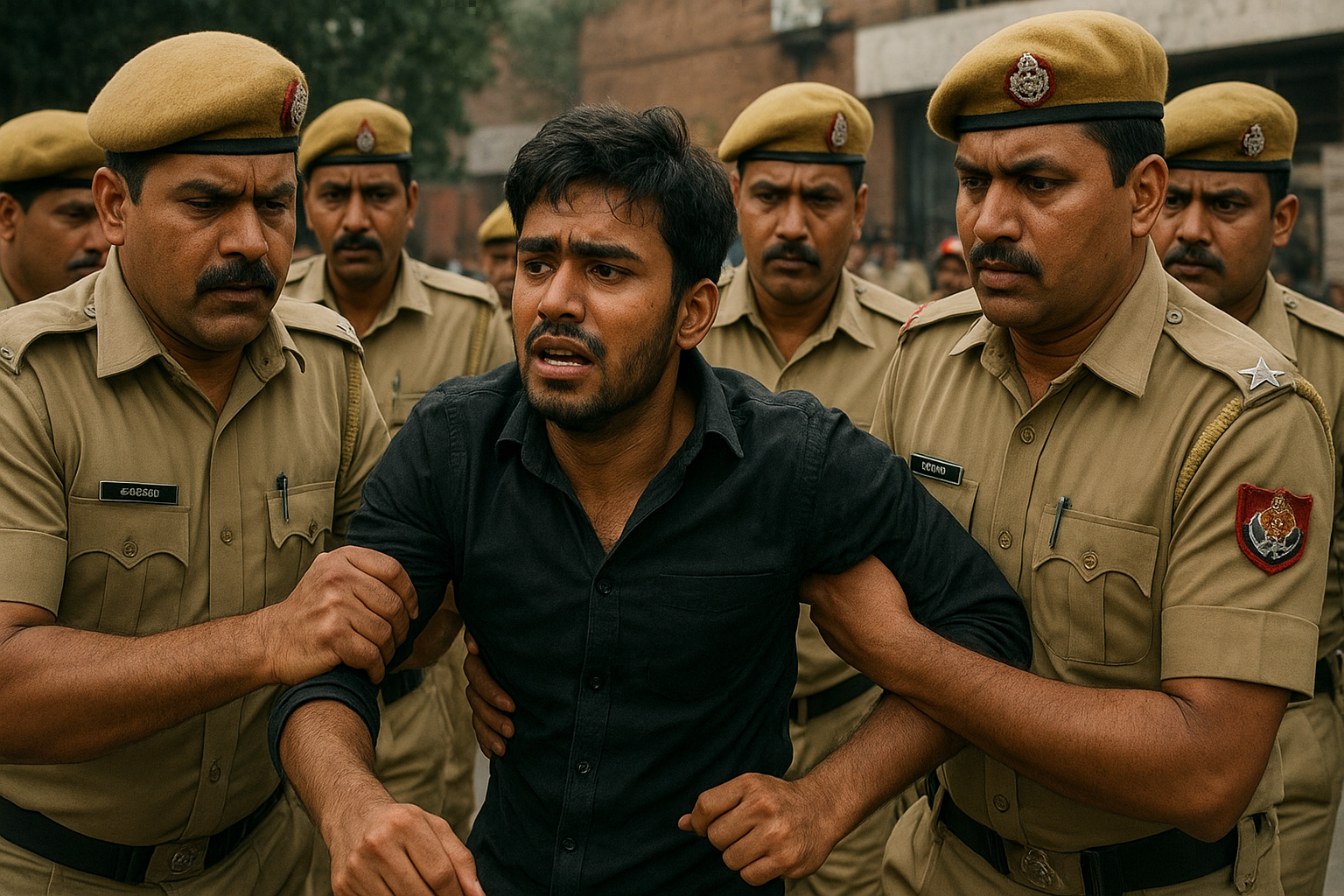
Understanding the Escalation in Central Delhi
Law enforcement authorities in the national capital have significantly escalated their legal response to the recent demonstrations that shook the central district. What began as a mass mobilization quickly deteriorated into a chaotic confrontation, prompting investigators to introduce severe criminal charges against the participants. The decision to incorporate accusations of severe bodily harm with intent to kill marks a pivotal turning point in the ongoing judicial inquiry.
Thousands of demonstrators, primarily consisting of enthusiastic youth, had gathered in the heart of the city to voice their grievances. This massive assembly coincided with the commencement of the parliamentary monsoon session, a period traditionally marked by heightened security and intense political activity. However, the initial momentum of the demonstration soon gave way to volatile clashes with security personnel stationed around the critical zone.
The Anatomy of the Demonstration
The gathering drew immense attention as thousands of individuals converged on the central avenues. Organizers had anticipated a peaceful assembly to highlight their pressing concerns to lawmakers. Yet, the sheer volume of the crowd, combined with heightened emotions and aggressive rhetoric, created a volatile environment that proved difficult for organizers to manage.
As the participants pressed closer to restricted perimeters, tensions escalated rapidly. Witnesses reported moments of severe friction between the advancing crowds and the police barricades. The presence of young participants underscored a growing frustration among the younger demographic regarding the issues at hand, but it also presented unique challenges for crowd control.
Investigative Shifts and Legal Implications
Following the chaos, the police department initiated a comprehensive review of video footage, photographic evidence, and eyewitness accounts. This meticulous examination revealed instances of direct aggression targeting law enforcement officials on duty. Consequently, investigators determined that the initial charges did not fully reflect the gravity of the offenses committed during the unrest.
The addition of the serious felony charge signifies a rigorous approach by the judicial system. Legal experts note that such enhancements are typically reserved for situations where there is clear evidence of reckless endangerment to human life. As the inquiry progresses, authorities are working diligently to identify key instigators and individuals who incited the violent breaches.
Impact on Public Safety and Future Demonstrations
The events in central Delhi have sparked widespread debate concerning the management of mass gatherings and the protection of public infrastructure. Civil society groups and political commentators have offered contrasting viewpoints on the policing methods employed and the behavior of the demonstrators. This discourse highlights the delicate balance between upholding the constitutional right to protest and maintaining public order.
In response to the escalation, security protocols around key government installations have undergone rigorous evaluation. Law enforcement agencies are implementing enhanced training programs and strategic measures to handle similar large-scale events in the future, aiming to prevent physical confrontations while respecting democratic freedoms.
Conclusion
The decision by Delhi law enforcement to introduce severe felony charges in the wake of the parliamentary session demonstrations underscores the gravity of the recent unrest. As the legal proceedings unfold, the incident serves as a stark reminder of the challenges inherent in managing large public gatherings. Balancing the fundamental right of expression with the imperative of maintaining public safety remains a critical priority for the authorities and the community alike.
Frequently Asked Questions
Why did the police upgrade the charges in the protest case?
Investigators upgraded the charges after reviewing evidence that indicated direct aggression and actions posing a severe threat to the lives of law enforcement personnel during the demonstrations.
Who participated in the demonstrations in central Delhi?
The assembly primarily comprised thousands of young individuals who gathered in the central district to voice their concerns on the opening day of the parliamentary session.
What are the potential legal consequences for the accused individuals?
With the inclusion of severe criminal charges, the accused face rigorous judicial scrutiny and potentially lengthy prison sentences upon conviction, depending on their specific involvement in the violence.
