Introduction to the Controversy
The recent detention of prominent environmental activist Sonam Wangchuk in the nation’s capital has ignited a fierce national debate regarding civil liberties and the treatment of peaceful demonstrators. Wangchuk, widely recognized for his pioneering work in sustainable development and education reform in the Himalayan region, found himself at the center of a major political firestorm following his sudden removal from a protest site. The incident has drawn sharp criticism from various human rights organizations, political figures, and concerned citizens across the country.
The Hunger Strike and Police Action
The events unfolded at Delhi’s historic Jantar Mantar, a designated zone for public demonstrations and peaceful protests. Wangchuk had embarked on a hunger strike to express solidarity with demands for the protection of constitutional rights and ecological safeguards for Ladakh. Surrounded by supporters, the activist maintained a peaceful posture until law enforcement agencies intervened abruptly.
On July 18, police personnel arrived in large numbers to clear the area. Witnesses reported that the intervention was swift and unexpected. Wangchuk was physically removed from the venue and taken into custody, sparking chaotic scenes as supporters attempted to block the vehicles. The heavy-handed approach by the authorities quickly became a major talking point in mainstream media and digital platforms alike.
Harsh Conditions in Custody
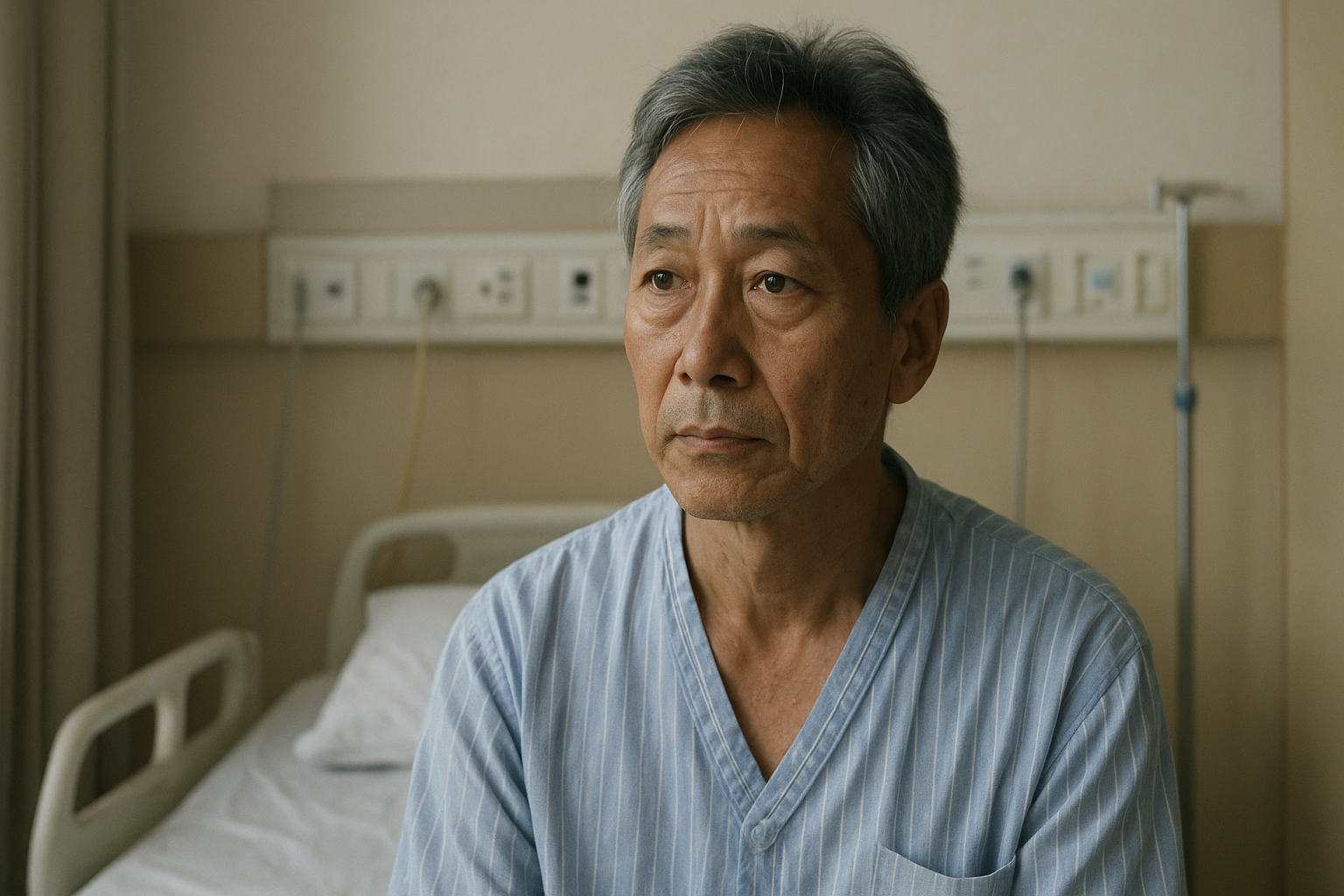
Following his removal from the protest site, Wangchuk was taken to a medical facility for evaluation. However, the conditions he described experiencing during this period stunned the public. In subsequent statements, the activist compared his isolation and the heavy surveillance to the oppressive atmosphere of an authoritarian regime, famously remarking that the environment felt akin to being trapped in a heavily controlled totalitarian state.
Isolation and Restrictions
According to accounts shared by his legal team and associates, Wangchuk was subjected to severe movement restrictions while under observation. Access to his aides, legal counsel, and well-wishers was heavily curtailed. The sudden enforcement of these strict protocols raised significant legal and ethical questions about the rights of detainees who have not been formally charged with any violent crime.
Medical Facility Controversy
Using a hospital setting as a holding area for a political detainee has also drawn scrutiny. Critics argue that medical institutions should remain sanctuaries of healing rather than extensions of state detention apparatuses. The heavy police presence inside and around the facility disrupted normal operations and created an atmosphere of intimidation for both staff and patients.
Broader Implications for Dissent
This incident is not an isolated event but rather part of a growing trend concerning the suppression of dissenting voices in urban centers. Activists argue that the shrinking space for peaceful protest threatens the foundational democratic fabric of the nation. When prominent figures advocating for environmental and regional autonomy face such stringent measures, it sends a chilling message to ordinary citizens seeking to exercise their constitutional rights.
Public and Political Outrage
The aftermath of the detention saw an outpouring of condemnation from various political opposition leaders. Many accused the administration of utilizing state machinery to silence legitimate grievances concerning regional governance and environmental degradation. Social media campaigns calling for Wangchuk’s unconditional release trended globally, amplifying the pressure on local and federal authorities to provide a transparent justification for the crackdown.
Conclusion
The detention and subsequent treatment of Sonam Wangchuk highlight the fragile balance between state security and democratic freedoms. As the dust settles on this controversial episode, the broader questions raised by the activist regarding governance, transparency, and the right to dissent remain pertinent. The incident serves as a stark reminder of the ongoing struggles faced by environmental and social advocates in maintaining their voices against institutional resistance.
Frequently Asked Questions
Who is Sonam Wangchuk?
Sonam Wangchuk is a renowned engineer, innovator, and educational reformer from Ladakh, India. He is widely known for inspiring the character depicted in the Bollywood movie 3 Idiots and for his continuous efforts in sustainable mountain development.
Why was Sonam Wangchuk detained in Delhi?
Wangchuk was detained by the police while participating in a hunger strike at Jantar Mantar to support demands for constitutional safeguards and democratic rights for the Ladakh region.
What did Sonam Wangchuk say about his hospital detention?
Wangchuk criticized the heavy restrictions and isolation he faced while held at a Delhi hospital, publicly comparing the oppressive and heavily surveilled atmosphere to living under an authoritarian regime.
