Understanding the Escalation in the Middle East
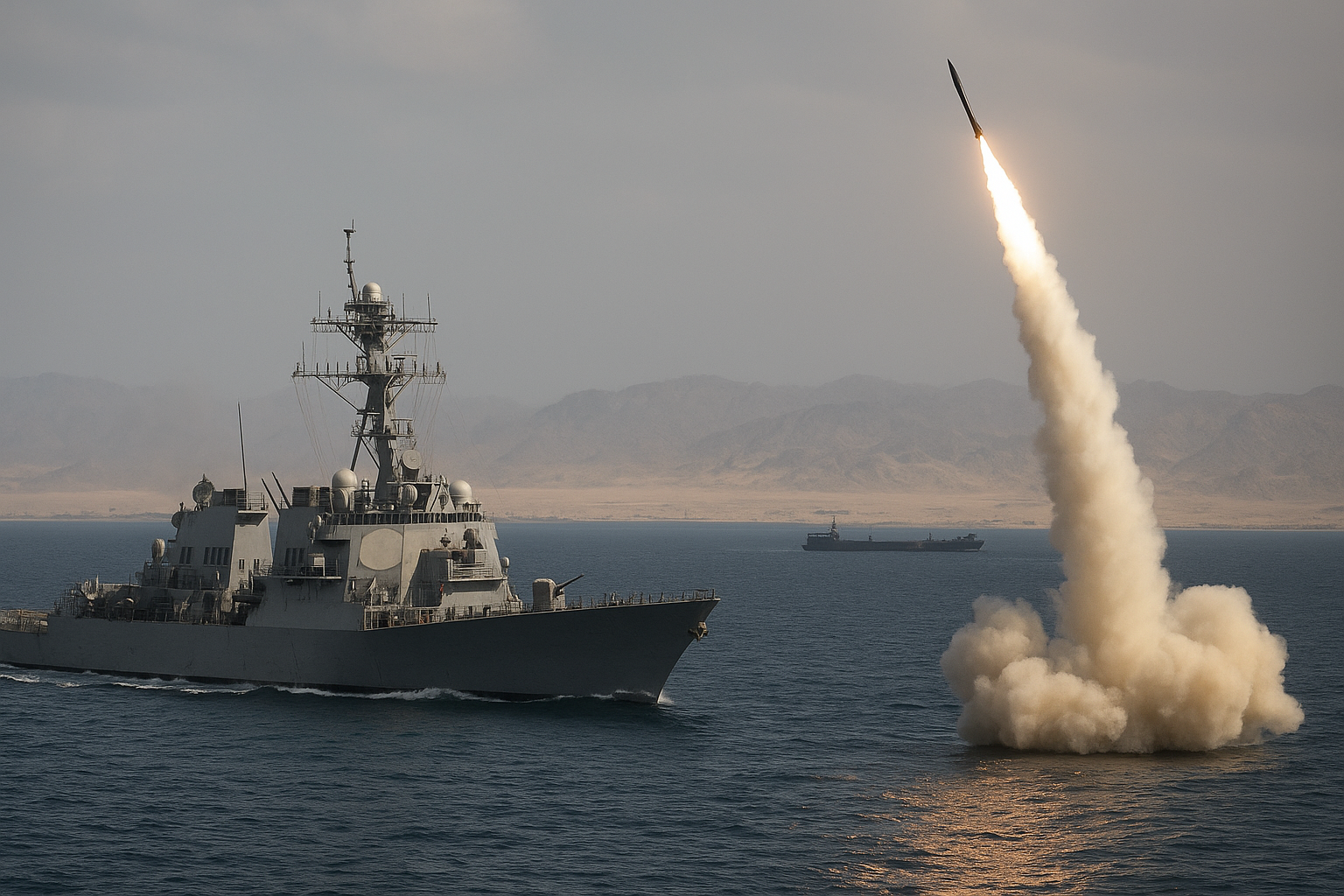
The geopolitical landscape of the Middle East has entered a deeply volatile phase as military operations continue to unfold in the strategic waterways of the region. Defense officials confirmed that American forces launched a fresh wave of aerial bombardments, marking nearly two weeks of unbroken combat actions directed at strategic targets associated with the Iranian government. This ongoing campaign stems from mounting friction concerning vital commercial maritime corridors that are crucial for international trade and global energy supplies.
For decades, the passage connecting the Persian Gulf to the open ocean has served as a central artery for petroleum tankers. However, recent disruptions and hostile maneuvers have transformed this economic lifeline into a zone of active combat. International observers have watched with growing alarm as diplomatic channels appear to break down, replaced entirely by a reliance on kinetic military power to secure passage for merchant vessels.
The Strategic Importance of the Strait
At the center of this maritime standoff is a narrow choke point through which a significant portion of the world’s liquefied natural gas and crude oil must travel. Any interruption in this corridor immediately reverberates across global markets, triggering spikes in fuel prices and threatening economic stability from Asia to Europe and the Americas. The United States and its allies have repeatedly stated that maintaining the free flow of commerce through these waters is a non-negotiable security priority.
Economic Fallout and Energy Markets
Financial institutions and energy analysts are closely monitoring the duration and intensity of the current military engagement. As airstrikes persist, shipping insurers have drastically raised risk premiums for vessels traversing the danger zone. Several major shipping lines have temporarily rerouted their fleets around the African continent, adding weeks to transit times and exponentially increasing operational costs. Consumers worldwide are ultimately bearing the brunt of these disruptions through inflated energy bills and rising costs for imported goods.
Military Strategy and Tactical Objectives
Pentagon briefers have emphasized that the nightly bombardments are carefully calibrated to degrade offensive capabilities that threaten allied warships and commercial shipping. These operations typically target coastal defense installations, radar sites, and launching pads used for anti-ship missiles and fast-attack craft. Despite the relentless pace of the campaign, military leadership maintains that the overarching goal is deterrence and the restoration of maritime security rather than a broader regional conflict.
Diplomatic Impasse and International Reactions
Efforts by international mediators to broker a ceasefire or establish a de-escalation framework have thus far yielded limited results. Regional powers have expressed profound anxiety over the potential spillover effects of a prolonged war. Neighboring nations are urging both Washington and Tehran to step back from the brink of total escalation, warning that a miscalculation could ignite a catastrophe affecting millions of civilians across the entire Middle East.
Conclusion
The relentless series of military engagements highlights the fragility of peace in one of the world’s most critical regions. As American forces press forward with their operations, the ultimate path toward stability remains uncertain. Resolving the crisis will require more than tactical dominance; it demands a concerted diplomatic effort to guarantee the safety of international shipping lanes while addressing the deep-seated grievances fueling the conflict.
Frequently Asked Questions
Why are American forces targeting Iran nightly?
The ongoing military campaign is designed to neutralize threats to international shipping routes in the Persian Gulf and surrounding waters, ensuring the uninterrupted flow of global energy supplies.
How does this conflict impact global energy prices?
Hostilities in this vital trade corridor cause significant disruptions to petroleum transit, leading to higher shipping insurance costs, rerouted vessels, and ultimately increased fuel prices worldwide.
Is there any diplomatic effort to end the current military actions?
Various international mediators are actively attempting to establish dialogue and broker a ceasefire, though deep divisions between the involved nations have hindered immediate diplomatic breakthroughs.
