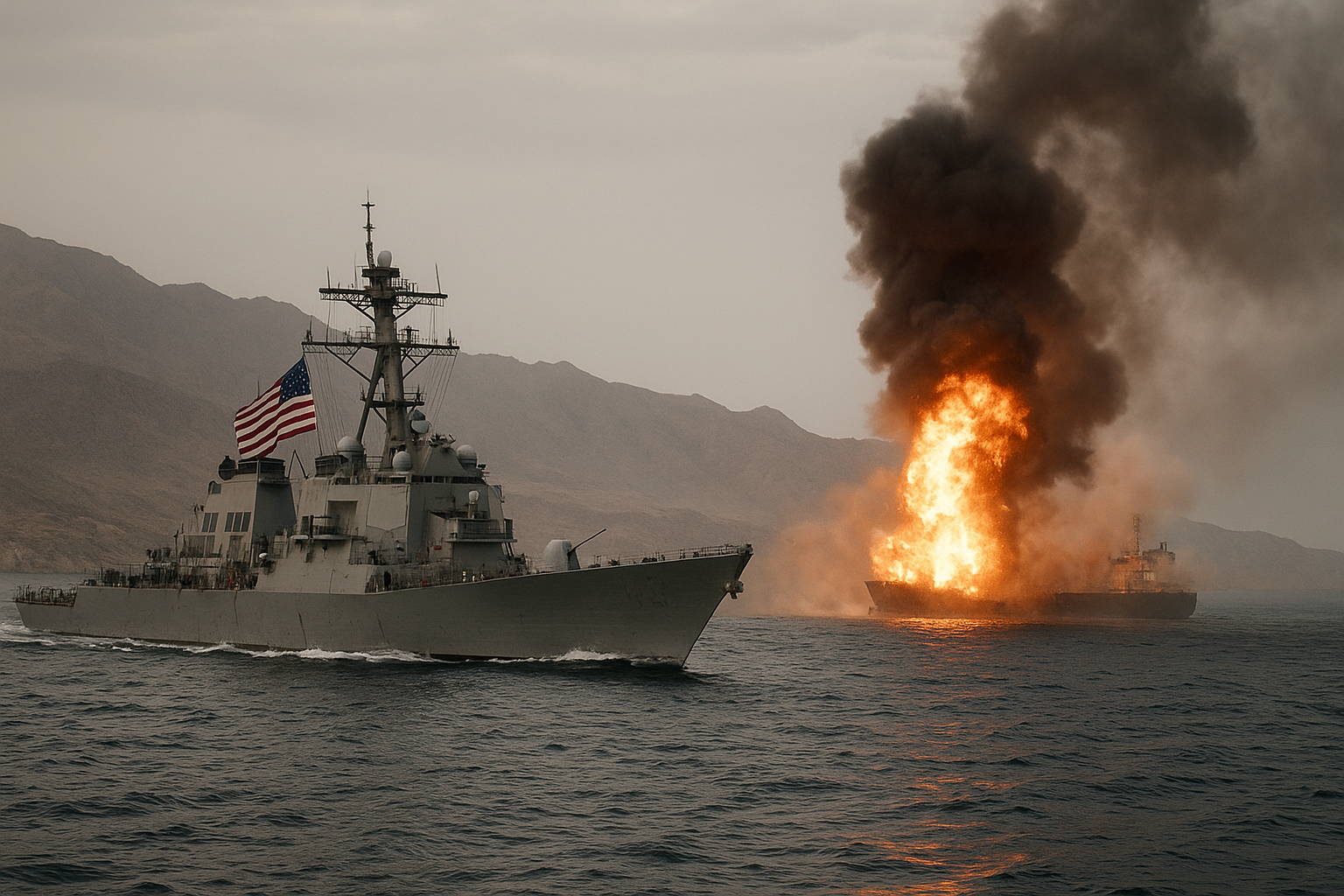
Introduction to the Escalating Maritime Conflict
Geopolitical tensions in the Middle East have reached a dangerous new threshold as international trade corridors face unprecedented disruption. For nearly two weeks, military operations have intensified significantly in one of the world’s most vital maritime choke points. Defense officials report that ongoing campaigns aim to neutralize persistent threats to global commerce and ensure freedom of navigation through critical waterways.
The Strategic Importance of the Strait of Hormuz
At the center of this escalating confrontation lies a narrow maritime passage that serves as the economic jugular vein for global energy supplies. A substantial portion of the world’s petroleum transit relies entirely on this corridor. Any disruption to traffic in these waters triggers immediate economic shockwaves across international markets, affecting everything from fuel prices at domestic pumps to manufacturing supply chains on a global scale.
Economic Fallout and Energy Markets
Financial institutions and energy analysts are closely monitoring the situation as cargo vessels and oil tankers alter their routes or halt operations entirely. Insurance premiums for maritime transit through the region have skyrocketed, forcing shipping companies to absorb massive operational costs. These expenses are inevitably passed down to consumers, fueling inflationary pressures worldwide. Governments are currently scrambling to secure alternative energy sources and protect commercial vessels from asymmetric threats.
Military Operations and Strategic Objectives
The armed forces of the United States have maintained a relentless operational tempo, executing precision missions night after night to degrade hostile capabilities. Defense analysts note that these operations are designed to dismantle infrastructure used to target international shipping. By systematically targeting radar installations, missile batteries, and fast-attack craft, military planners hope to restore a secure environment for civilian mariners.
Technological and Tactical Challenges
Conducting sustained military campaigns in this environment presents complex tactical hurdles. Asymmetric warfare tactics, including the deployment of unmanned surface vessels and low-cost aerial drones, require sophisticated countermeasures. Advanced naval defense systems and electronic warfare capabilities are being deployed to intercept and neutralize these persistent hazards before they can inflict damage on commercial or military assets.
Diplomatic Implications and International Response
Beyond the immediate tactical engagements, the broader diplomatic landscape remains fraught with tension. Regional allies are actively engaged in backchannel communications to prevent a wider regional war. Meanwhile, global superpowers have issued stern warnings against any further provocation that could threaten international peace and security. The international community faces a delicate balancing act between enforcing maritime law and preventing further military escalation.
Conclusion
The ongoing maritime crisis in the Persian Gulf underscores the fragility of global supply chains and the critical need for secure trade routes. As military operations continue, the ultimate resolution will require a combination of steadfast security measures and robust diplomatic engagement. Safeguarding international commerce remains paramount to maintaining global economic stability in an increasingly interconnected world.
Frequently Asked Questions
Why are military operations taking place in the region?
Operations are being conducted to protect vital shipping routes, ensure freedom of navigation, and neutralize hostile threats targeting international commercial vessels.
What makes the Strait of Hormuz economically significant?
It is a critical choke point for a substantial percentage of the world’s petroleum transit, making it essential for global energy supplies and economic stability.
How are shipping companies adapting to the security crisis?
Many firms are altering their routes, increasing security protocols, and managing significantly higher insurance premiums to navigate the volatile region safely.
